2026 Top Disposable Vape Types Why Are They So Popular?

Time:2026-09-08 Author:Sophia
0%

Why are disposable vapes so popular? This question deserves more than a simple answer about flavors or convenience. In 2026, disposable vape products remain visible because they combine compact design, ready-to-use operation, and broad flavor choices. A device can fit beside a phone, arrive prefilled, and require no charging in some models. That simplicity attracts adult smokers seeking alternatives to combustible cigarettes, especially during travel or busy workdays.

Professor Linda Bauld, a public health researcher at the University of Edinburgh, has stated, “Vaping is not risk-free, but it is significantly less harmful than smoking.” Her comment offers useful context, not a marketing promise. Disposable vapes do not eliminate nicotine dependence, and they are not suitable for non-smokers or young people. Rules also differ across countries, so responsible products must follow local safety, labeling, age, and environmental requirements.

Price matters too.

Many users notice predictable airflow, smooth draw resistance, and consistent taste from the first puff. Yet convenience can hide real costs. Batteries, plastic shells, and empty cartridges create waste when products are discarded carelessly. Some flavors may also encourage repeated use, even when users intend to vape less. This article examines the leading disposable vape types in 2026, their design differences, user appeal, and practical limitations. The popularity story is incomplete without discussing health evidence, youth prevention, recycling challenges, and the possibility that “easy to use” can become “easy to overuse.”
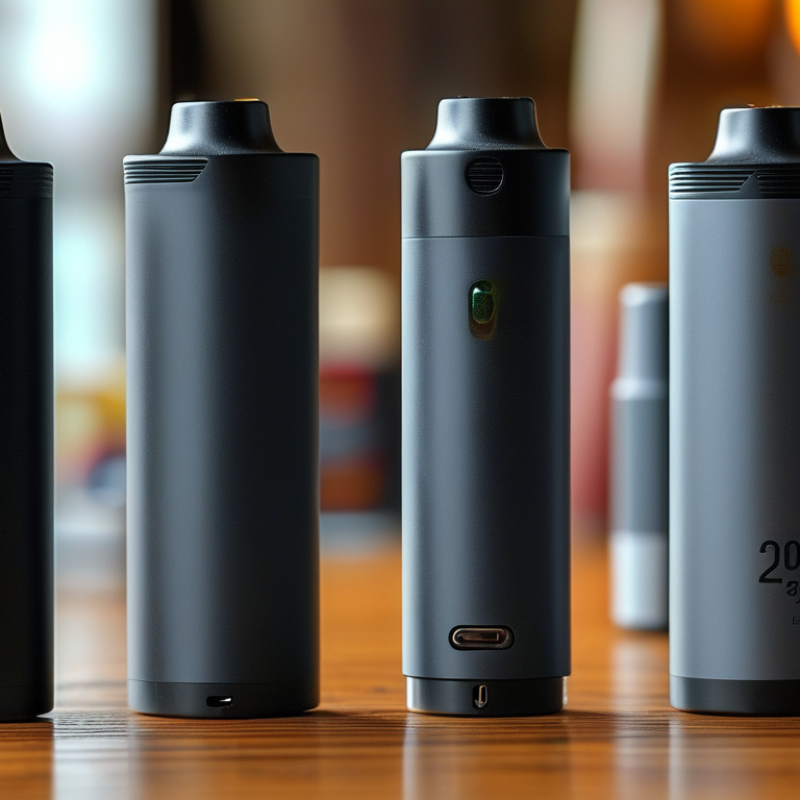
2026 Top Disposable Vape Types Why Are They So Popular?

What Are Disposable Vapes and How Do They Work?

Disposable vapes are compact electronic nicotine-delivery devices. They usually contain a prefilled e-liquid chamber, a battery, an airflow sensor, and a heating coil. When a user inhales, the sensor activates the battery. The coil then heats the liquid and creates an aerosol for inhalation.

The device is simple. There is no refilling or charging routine. That convenience helps explain its popularity among adult users, especially those seeking a portable alternative to traditional cigarettes. However, the aerosol is not harmless water vapor. It may contain nicotine, ultrafine particles, flavoring chemicals, and other substances. The U.S. Centers for Disease Control and Prevention reported 1.63 million current e-cigarette users among middle and high school students in its 2024 National Youth Tobacco Survey. This figure also shows why product access, age controls, and clear labeling remain essential.

Product performance depends on battery output, coil design, airflow, and liquid formulation. A stronger battery may produce warmer aerosol, but it can also increase consumption and throat irritation. The World Health Organization has repeatedly warned that e-cigarette emissions can expose users and bystanders to harmful chemicals. In practice, advertised puff counts are not universal measurements. Puff duration, temperature, and user behavior change the result. This detail is often overlooked. Consumers should check ingredient information, nicotine content, safety instructions, and local regulations before use.

Which Disposable Vape Types Are Emerging in 2026?

Which Disposable Vape Types Are Emerging in 2026?

In 2026, rechargeable disposable-style devices are gaining attention in regulated markets. They combine a sealed e-liquid chamber with a small charging port. This reduces immediate battery waste, although recycling remains unresolved. Grand View Research valued the global e-cigarette market at about US$22 billion in 2023. Its forecast suggests strong growth through 2030. That momentum is encouraging, but market forecasts are not consumer safety evidence.

Low-waste designs are also emerging. Some models use lighter shells, replaceable mouthpieces, or separated battery compartments. Others focus on compact bodies with clearer liquid windows. These details matter during daily use. Users can see remaining liquid before the device stops unexpectedly. Small improvements count. However, claims about sustainability need independent testing. The United Nations Institute for Training and Research reported that electronic waste reached 62 million tonnes globally in 2022. Disposable formats add pressure when collection systems are weak.

Another developing category uses adjustable airflow and lower-power heating. These designs aim for smoother vapor and more consistent output, rather than extreme cloud production. Public-health data still deserves attention. The U.S. Centers for Disease Control and Prevention reported 1.63 million middle and high school students used e-cigarettes in 2024. That figure shows why age controls, clear labeling, and restricted marketing remain essential. Product innovation is moving quickly. Regulation and evidence are moving less quickly.

2026 Top Disposable Vape Types: Why Are They So Popular?

Disposable devices remain the leading e-cigarette format among U.S. middle and high school students who currently use e-cigarettes. Their popularity is commonly associated with portability, simple operation, and no refill or maintenance requirement.

The chart uses 2024 U.S. National Youth Tobacco Survey data. Emerging 2026 directions are expected to focus on more compact designs, improved battery efficiency, lower-waste materials, and tighter regulatory compliance; these are trends rather than measured 2026 market shares.

Source: Centers for Disease Control and Prevention, National Youth Tobacco Survey, 2024.

How Do Flavors, Nicotine Options, and Design Affect User Choice?

2026 Top Disposable Vape Types: Why Are They So Popular?

Flavor is often the first detail adult users notice. Fruit, mint, dessert, and tobacco-inspired options create different sensory experiences. A cool mint may feel crisp, while a creamy flavor can seem smoother. Preferences are personal, but taste can hide nicotine strength. That detail deserves careful attention. Some users may choose stronger nicotine levels for convenience, while others prefer lower options. Nicotine can cause dependence, so adults should check labels and local age requirements before buying.

Design also influences choice. Compact devices fit easily into a pocket, and clear windows show remaining liquid. Soft mouthpieces may feel more comfortable during short use. Rechargeable designs can reduce frequent replacement, although they still create waste and require safe charging practices. A simple shape may feel practical, while bright colors can appear more appealing. Attractive design does not make vaping harmless.

Real-world choices are rarely perfectly rational. I might prefer a familiar flavor, even when another option has clearer labeling. Users should compare nicotine information, battery instructions, ingredient details, and disposal guidance. Product descriptions can sound precise, yet some information may remain limited. Research on flavor appeal and user behavior is still developing. Personal experience matters, but it should not replace reliable health advice.

Why Are Disposable Vapes So Popular Among Adult Consumers?

Adult consumers often choose disposable vapes for convenience, simple operation, and predictable sizing. Many models arrive ready to use, with no bottle, coil, or charging cable required. That matters during commuting, travel, or short outdoor breaks. Compact devices also fit easily into a pocket, while nicotine-salt formulas can provide a smoother experience at higher nicotine strengths. Taste variety adds another practical appeal. Still, smoother does not mean harmless.

The U.S. Centers for Disease Control and Prevention reported that about 6.5% of American adults used e-cigarettes in 2022, representing roughly 16.2 million people. This figure shows meaningful adult demand, but it does not explain every purchase decision. Grand View Research’s 2024 market analysis also described convenience and product portability as major growth factors in the disposable segment. The report projected continued market expansion through the decade, although commercial forecasts can reflect sales goals and should be read carefully.

In 2026, common disposable types may include compact low-puff devices, higher-capacity formats, nicotine-salt products, and rechargeable disposables where regulations permit them. Adult users may value longer use, stronger flavor consistency, or fewer interruptions. Regulations differ widely, so legal nicotine limits and approved flavor rules must guide purchasing decisions. Waste remains a serious weakness. A device used for a few days can contain plastic, electronics, and a battery. That detail is easy to overlook. Availability alone should not be mistaken for safety, and non-users should not begin using nicotine products.

What Health, Environmental, and Regulatory Issues Should Be Considered?

In 2026, disposable vapes remain popular because they are compact, pre-filled, and easy to use. Common types include nicotine-salt devices, flavored products, and high-puff models. The 2024 National Youth Tobacco Survey reported that 1.63 million American students currently used e-cigarettes. Among them, 55.6% mainly used disposable devices, while 87.6% used flavored products. These figures show strong demand, but they do not prove safety or informed choice.

Health concerns remain substantial. The World Health Organization states that e-cigarette aerosols can contain nicotine, fine particles, and toxic chemicals. Nicotine-salt formulations may feel smoother, allowing users to consume more without immediate throat discomfort. That detail is easy to overlook. Research findings are still developing, and long-term effects are not fully measured. Evidence is incomplete. However, uncertainty should not be treated as reassurance, especially for adolescents, pregnant people, and non-smokers.

Environmental waste creates another urgent problem. Each disposable unit combines plastic, electronics, residual liquid, and a lithium battery. The United Nations Environment Programme identifies electronic waste as a growing global pollution challenge, while safety agencies warn that damaged lithium batteries can cause fires during collection and recycling. Regulation is also uneven. Some jurisdictions have restricted disposable sales, flavors, or advertising, while others rely on age controls and product authorization. The data are not perfectly comparable across countries. That weakness deserves honest attention. Consumers and policymakers need clearer labeling, verified recycling systems, and independent health surveillance before popularity becomes the main measure of success.

2026 Top Disposable Vape Types: Why Are They So Popular? — What Health, Environmental, and Regulatory Issues Should Be Considered?
Disposable Vape Type Typical Design and Contents Main Reasons for Popularity User-Relevant Performance Health Considerations Environmental Concerns Regulatory Issues to Check Overall Concern
Nicotine-Salt Pod Disposable Compact, draw-activated device using a pod-style reservoir and nicotine salts. Nicotine concentration varies by jurisdiction and product. Smooth inhalation at relatively high nicotine strengths, simple operation, small size, and broad availability in some markets. Low maintenance and consistent flavor until the liquid or battery is depleted. Usually intended for single-use disposal. Nicotine is addictive and can increase heart rate and blood pressure. Nicotine salts may make high nicotine intake easier to tolerate, which can increase dependence risk. Youth, pregnant people, and non-smokers should avoid use. The device combines plastic, a lithium-ion battery, electronic components, and residual e-liquid. Disposal in household waste can create fire and chemical-handling risks. Check nicotine concentration limits, minimum-age rules, health warnings, product authorization, packaging requirements, and restrictions on flavors or marketing. Rules differ by country and may change. High
High-Puff Mesh-Coil Disposable Uses a mesh heating element and a comparatively large e-liquid reservoir. Puff-count claims are estimates rather than guaranteed consumption measures. Perceived longer lifespan, strong vapor production, consistent heating, and reduced need to purchase or replace a device frequently. Mesh coils can provide fast and even heating, but actual duration depends on puff length, frequency, power output, and battery capacity. More available liquid and longer use can increase cumulative nicotine and aerosol exposure. Aerosol may contain nicotine, ultrafine particles, flavoring chemicals, and metals released from the heating system. Larger reservoirs and batteries increase material use per discarded unit. High-puff products can generate substantial quantities of battery-containing electronic waste. Verify whether advertised capacity and nicotine content comply with local limits. Some jurisdictions restrict unauthorized high-capacity products, disposable formats, or specific flavor categories. High
Rechargeable Disposable Contains an internal lithium-ion battery and a charging port, but the e-liquid reservoir or coil is generally not designed for replacement. Longer operating time than many non-rechargeable devices and less likelihood of battery depletion before the liquid is finished. Charging can extend usable operation, but the product remains a single-use or limited-life device and cannot normally be safely refilled. Rechargeability does not remove nicotine dependence or aerosol risks. Damaged, overheated, modified, or incorrectly charged lithium-ion batteries can present fire and injury hazards. Charging may reduce premature disposal, but the final product still contains a battery, circuit board, plastics, and e-liquid residue. Recycling access is often limited. Battery transport, charging safety, electrical compliance, producer responsibility, and e-waste rules may apply. A charging port does not necessarily make a product reusable under local law. High
High-Nicotine Flavored Disposable Disposable device marketed with sweet, fruit, mint, menthol, beverage, or other flavor profiles. Nicotine strength and permitted flavors vary by market. Flavor variety, odor that may dissipate quickly, low learning curve, and appeal to users who dislike the taste of tobacco. Flavor perception can remain consistent until the liquid runs low, although taste may change if the coil overheats or the liquid supply is depleted. Flavors can make initiation and continued use more attractive, particularly to adolescents. “Nicotine-free” or flavor claims should not be assumed to eliminate health risk without independent verification. Environmental impacts are similar to other disposable devices and are increased by frequent purchasing, promotional packaging, and rapid product turnover. Many jurisdictions limit or prohibit flavored nicotine products, youth- appealing packaging, online sales, or certain advertising practices. Product authorization and labeling should be confirmed locally. High
Menthol or Cooling Disposable Uses menthol or cooling additives to create a cold-mouth sensation. The cooling effect does not indicate lower nicotine or lower toxicant exposure. Cooling sensation, reduced perceived harshness, and compatibility with users seeking a taste closer to menthol tobacco products. Cooling additives can mask throat irritation and may make frequent use feel easier for some users. Reduced harshness may encourage deeper or more frequent inhalation. Nicotine dependence and exposure to aerosol constituents remain concerns; cooling does not make the aerosol harmless. Generates the same battery, plastic, electronic-waste, and residual-liquid concerns as other disposable products. Menthol and cooling flavors may be restricted or subject to special rules. Confirm local limits on flavors, nicotine, advertising, and retail sale. High
Nicotine-Free Disposable Marketed without intentionally added nicotine, but product quality and labeling accuracy can vary. Some tests of products labeled nicotine-free have detected nicotine. Perceived lower dependence potential, flavored options, and use by people seeking a behavioral substitute for smoking or vaping nicotine. Similar convenience and operation to nicotine-containing disposables. It may maintain hand-to-mouth and inhalation habits. Absence of nicotine does not make inhaled aerosol risk-free. Aerosol may contain irritants, flavoring substances, particles, and metals; labeling accuracy is an important uncertainty. The product still creates disposable battery and electronic waste and may leave e-liquid residues even when nicotine is absent. Some jurisdictions regulate nicotine-free products as vaping or tobacco- related products. Check ingredient disclosure, safety standards, age rules, and laboratory verification requirements. Medium–High
CBD or Cannabinoid Disposable Contains cannabinoid-containing liquid in markets where such products are permitted. Formulation, cannabinoid concentration, and contamination risk can vary substantially. Convenience, discreet form factor, and consumer interest in inhaled cannabinoid products. Easy to use, but dose per puff is difficult to determine and may vary with device power, liquid formulation, and user behavior. Inhalation safety is uncertain for many formulations. Contaminants, inaccurate labeling, drug interactions, impairment, and accidental exposure are important concerns. Avoid driving when impaired. Creates the same battery and electronic-waste burden as nicotine disposables, with additional concerns about residual cannabinoid-containing liquid. Cannabinoid products may be prohibited or controlled as medicines, drugs, or consumer products. Check legality, testing, labeling, import, and advertising requirements before sale or use. High
Tobacco-Flavored Disposable Uses tobacco-style flavoring and may contain nicotine or no nicotine, depending on the formulation and local product category. Familiar taste, association with smoking cessation attempts, and lower perceived flavor intensity than sweet or fruit products. Simple, ready-to-use operation with no filling or coil replacement. Nicotine-containing versions can sustain dependence. For adults who smoke, completely switching away from combustible tobacco may reduce exposure to many toxicants, but vaping is not risk-free and dual use may provide less benefit than complete switching. Single-use battery, plastic, metal, and electronic components remain after the product is discarded. Collection and recycling are necessary to reduce litter and fire risks. Often subject to the same nicotine, packaging, authorization, advertising, and age restrictions as other regulated vaping products. High

Note: Health and regulatory conditions vary by product formulation and jurisdiction. Disposable vapes are not risk-free, and no puff-count, flavor, or “rechargeable” claim should be interpreted as evidence of safety. Used devices should be kept out of household garbage and taken to an appropriate battery or electronic-waste collection point where available.

FAQS

: What is a disposable vape?

: It is a small electronic nicotine-delivery device. It usually contains liquid, a battery, an airflow sensor, and a heating coil. There is no refill routine. Some models cannot be recharged.

How does a disposable vape create aerosol?

Inhaling activates the airflow sensor. The battery powers the heating coil. The coil heats the liquid and produces an aerosol. It is not harmless water vapor.

What may the aerosol contain?

It may contain nicotine, ultrafine particles, flavoring chemicals, and other substances. The exact contents depend on the liquid and device design. Long-term effects remain incompletely measured. Uncertainty is not proof of safety.

How do flavors affect user choice?

Fruit, mint, dessert, and tobacco-inspired flavors create different sensations. Mint may feel cool, while creamy flavors may seem smoother. Taste can hide nicotine strength. That detail matters.

Does nicotine strength affect the experience?

Yes. Higher nicotine levels may feel stronger or more convenient. Nicotine can cause dependence. Smoother formulations may make larger consumption easier. Users should read the label carefully.

Do advertised puff counts guarantee a specific lifespan?

No. Puff counts are not universal measurements. Inhalation time, temperature, airflow, and personal habits change results. A longer inhale may use more liquid. The number can mislead.

Are disposable vapes harmless for young people or non-smokers?

No product should be treated as harmless. Nicotine can cause dependence, especially among adolescents. Non-smokers and pregnant people should avoid nicotine exposure. Health evidence is still developing.

What environmental problems do disposable vapes create?

Each unit may contain plastic, electronics, leftover liquid, and a lithium battery. These materials create electronic waste. Damaged batteries can cause fires during collection or recycling. Safe disposal matters.

What should adults check before using one?

Check nicotine content, ingredients, safety instructions, and local age rules. Review battery and disposal guidance. Use only products permitted in your location. Clearer information would help everyone.

Conclusion

Disposable vapes are compact, pre-filled electronic devices that heat a liquid into an inhalable aerosol, usually without requiring refilling or charging. In 2026, emerging types may include slimmer designs, longer-lasting battery systems, adjustable airflow, varied nicotine options, and more diverse flavor profiles. These features can influence user choice by offering convenience, portability, familiar taste experiences, and a simple, low-maintenance format. The question “why are disposable vapes so popular” can be explained by their accessibility, discreet appearance, ease of use, and suitability for adult consumers seeking a straightforward vaping experience.

However, popularity should not obscure important concerns. Nicotine can be addictive, and vaping may present health risks, particularly for non-users, young people, pregnant individuals, and those sensitive to inhaled substances. Disposable products also create electronic and plastic waste when discarded improperly. Responsible discussion should therefore include age restrictions, clear product information, safe disposal, recycling challenges, and compliance with applicable regulations. Consumers should evaluate these factors carefully rather than viewing convenience or flavor variety as proof of safety.

Sophia

Sophia

Sophia is a dedicated marketing professional with an exceptional depth of knowledge about her company's products and services. With a keen understanding of market trends and customer needs, she crafts insightful blog posts that not only inform but also engage readers, enriching the company’s online......