Are disposable vapes better than refillable ones? The answer depends on what “better” means.
For adult smokers seeking a simpler alternative, disposable devices can feel convenient. They arrive prefilled, require no coil changes, and fit easily beside a phone or car key. Refillable models create less packaging waste and offer more control over e-liquid choice. However, they require cleaning, charging, and careful handling. Convenience has a cost.
The comparison is not perfectly clean. The U.S. Centers for Disease Control and Prevention reported that disposable products were the most commonly used device type among current student e-cigarette users in the 2023 National Youth Tobacco Survey. That finding reflects popularity, not safety or product quality. The World Health Organization also emphasizes that e-cigarettes are not risk-free, especially for young people and non-smokers. Important differences remain between brands, nicotine strengths, battery designs, and manufacturing standards.
Professor Linda Bauld, a public-health researcher at the University of Edinburgh, has stated, “Vaping is less harmful than smoking, but not harmless.” That warning matters here. A disposable vape may reduce daily maintenance, yet it can encourage frequent, automatic use. A refillable device may last longer, but poor cleaning can affect performance and user experience. Neither option deserves a blanket victory.
This guide compares five practical areas: convenience, cost, waste, consistency, and user control. It also questions the easy assumptions. Better for whom? Under which conditions? For adult smokers, the most responsible choice should support smoking cessation, avoid youth access, and reflect product quality rather than marketing alone.
5 Best Disposable Vapes Better Than Refillable Ones?
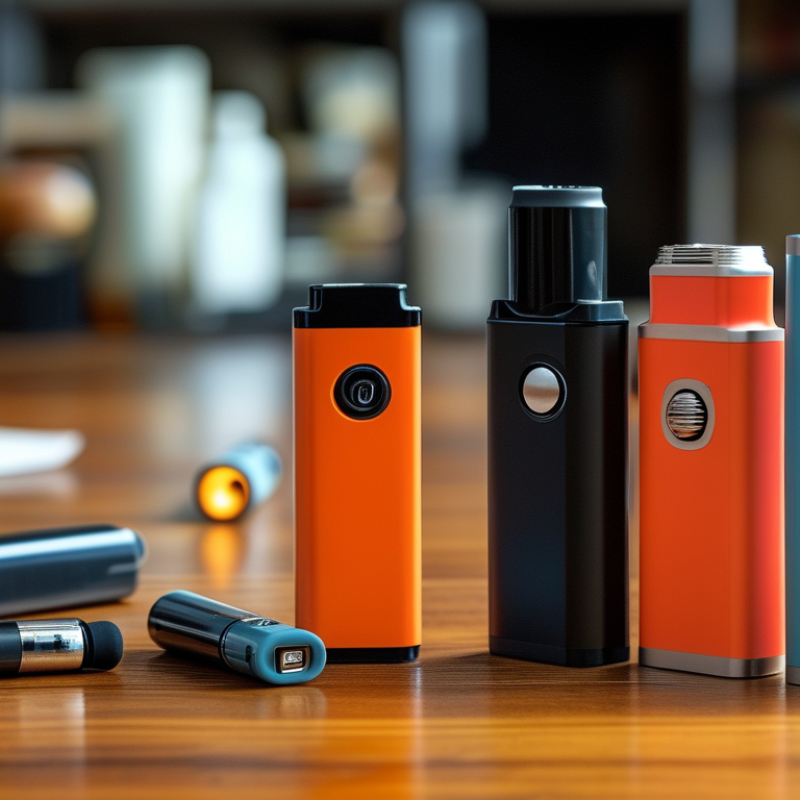
A disposable vape is usually prefilled, sealed, and designed for short-term use. It includes an integrated battery, heating coil, and e-liquid chamber. Some newer models contain rechargeable batteries, but users still cannot refill them. That detail makes the category less clear.
Refillable devices work differently. Users add e-liquid, replace coils, and recharge the battery. This creates more control over flavour, vapour strength, and daily cost. It also requires cleaning and basic handling skills. The distinction is practical, not perfect. A rechargeable disposable can look like a refillable device, yet its sealed chamber limits reuse.
Action on Smoking and Health’s Smokefree GB 2024 survey found that refillable tanks and pod systems remained common among adult vapers, while disposable use formed a smaller share. The report also shows changing consumer habits, especially among newer users. OHID’s 2022 evidence review describes vaping as less harmful than smoking, but not risk-free. That distinction should guide comparisons.
In real use, disposables offer convenience, consistent performance, and no maintenance. Refillable devices usually create less packaging waste per use and may reduce long-term costs. However, refill bottles can leak, and coils need replacement. That is annoying. Battery disposal also deserves attention. The “better” choice depends on convenience, control, waste, and responsible use by legal-age adults.
| Profile | Typical E-Liquid Capacity | Typical Battery | Estimated Puff Range | Charging | Nicotine Options | Maintenance | Main Advantage Over Refillable Devices | Best Use Case |
|---|---|---|---|---|---|---|---|---|
| 1. Compact Disposable | Approximately 1.5–2 mL | Approximately 300–500 mAh | Approximately 400–800 puffs | Usually non-rechargeable | Commonly available in nicotine salt strengths; local limits apply | No filling, coil replacement, or cleaning | Small, lightweight, and ready to use immediately | Occasional users who prioritize portability |
| 2. High-Capacity Disposable | Approximately 5–15 mL, depending on jurisdiction | Approximately 500–1,000 mAh | Approximately 1,500–5,000 puffs | May include USB charging; specifications vary | Frequently offered in several nicotine concentrations | Minimal upkeep during the product’s usable life | Longer use between replacements without carrying e-liquid | Travel or extended use where convenience is important |
| 3. Draw-Activated Disposable | Approximately 2–10 mL | Approximately 350–650 mAh | Approximately 500–3,000 puffs | Often non-rechargeable; some models recharge | Nicotine salt and nicotine-free versions may be available | No buttons, settings, or replacement parts | Simple inhale-to-use operation with little user setup | New users seeking a straightforward device format |
| 4. Rechargeable Disposable | Approximately 2–18 mL | Approximately 400–650 mAh | Approximately 800–6,000 puffs, as advertised | Typically USB-C or another built-in charging connection | Strength varies by product and regional regulation | Charging may extend use, but the device is not designed for refilling | Reduces the chance of battery depletion before the e-liquid is finished | Users who want disposable convenience with limited charging |
| 5. Flavor-Focused Disposable | Approximately 2–10 mL | Approximately 400–650 mAh | Approximately 500–3,000 puffs | Rechargeable or non-rechargeable, depending on design | Often sold in multiple nicotine strengths or nicotine-free versions | Pre-filled and factory-sealed; no flavor changes after purchase | Consistent pre-filled formulation without measuring or mixing e-liquid | Users who prefer convenience and a fixed flavor profile |
| Refillable Device Benchmark | Usually 2–5 mL refillable tank or pod | Approximately 300–3,000 mAh, depending on device type | Not fixed; depends on tank size, coil, power, and puff duration | Normally rechargeable | Broad choice of nicotine strengths, ratios, and flavors | Requires refilling, charging, cleaning, and periodic pod or coil replacement | Lower long-term device waste and greater control over e-liquid selection | Regular users who value customization and ongoing operating efficiency |
Data note: Capacity, battery size, and puff counts are typical market ranges rather than guaranteed performance figures. Puff estimates vary with draw duration, airflow, coil resistance, power output, and e-liquid formulation. Nicotine limits, maximum liquid capacity, labeling rules, and legal availability differ by country or region.
It usually arrives prefilled, sealed, and ready to use. It contains a battery, heating coil, and e-liquid chamber. Some batteries recharge, but the sealed chamber still cannot be refilled.
A refillable device accepts e-liquid and replacement coils. Users can recharge it, adjust settings, and change flavours. It needs cleaning and basic handling. The distinction is practical, not perfect.
They remove filling, coil priming, and routine cleaning. Draw activation can start the device immediately. A sealed chamber also reduces spills during travel. That feels convenient.
Usually, not necessarily. A $10 device lasting five days could cost about $600 yearly. Usage varies. Refillable devices often cost less after the initial purchase.
Many offer fixed airflow and power. Flavour and nicotine choices may also be limited. You cannot easily control warmth or vapour volume. Preferences can change by Friday.
No. Vaping may be less harmful than smoking, but it is not harmless. Nicotine can cause dependence, dizziness, or nausea. Adults who do not use nicotine should not start.
Each unit may contain plastic, electronics, a battery, and leftover liquid. Household bins may be unsuitable. Follow local disposal instructions. Never puncture or burn a device.
It may suit users wanting adjustable airflow, specific liquid ingredients, or lower running costs. It creates less packaging waste per use. However, leaks and coil replacement remain annoying.
Check local rules and product compliance. Avoid devices that are damaged, leaking, or unusually hot. Keep them away from children and pets. Convenience is not the same as value.
Disposable vapes are compact, pre-filled devices designed for simple, ready-to-use operation. Unlike refillable options, they usually require no e-liquid bottles, coil changes, charging routines, or complicated settings, making them convenient for users who value portability and quick setup. Their lightweight design and consistent performance can be useful for travel or occasional use, while features such as draw activation and pre-set airflow make them easy to operate with minimal maintenance.
However, convenience comes with trade-offs. Disposable devices may cost more over time for frequent users, create more waste, and offer limited control over flavor, vapor production, and nicotine strength. Refillable devices typically require a larger initial investment and more regular care, but they can provide greater customization and potentially lower long-term expenses. Ultimately, the question “are disposable vapes better than refillable ones” depends on individual priorities, including simplicity, budget, environmental concerns, usage frequency, and the desire for personalization.

 Nevra Vape