Disposable vapes look simple, yet their lifespan depends on battery capacity, e-liquid volume, airflow, and daily puffing habits. This guide explores how to make a disposable vape last longer without opening, refilling, modifying, or misusing the device. Long, forceful draws can heat the coil quickly and consume more liquid. Shorter, gentler puffs may help the device work more efficiently.
Industry research shows why this topic matters. Grand View Research has identified disposable products as a major growth segment within the global e-cigarette market, while the National Academies report explains that e-cigarette aerosols can contain fewer toxicants than cigarette smoke but are not harmless. The U.S. Food and Drug Administration also emphasizes product safety. Dr. Brian King, former director of the FDA’s Center for Tobacco Products, stated, “There is no safe tobacco product.” That warning should remain central.
Practical care is uncomplicated. Store the device upright, away from direct sunlight, hot cars, water, and freezing temperatures. Avoid continuous puffing, blocked airflow, or using a device that tastes burnt. Never recharge a disposable product unless the manufacturer specifically designed it for charging. Stop immediately if the casing becomes swollen, unusually hot, cracked, or wet. A small mistake can create a serious battery hazard.
Still, longevity is not guaranteed. Some devices advertise high puff counts, but real usage varies with draw length and frequency. The most reliable approach is simple: follow the label, use legal products from reputable sources, and treat “how to make a disposable vape last longer” as a care question, not a modification challenge.
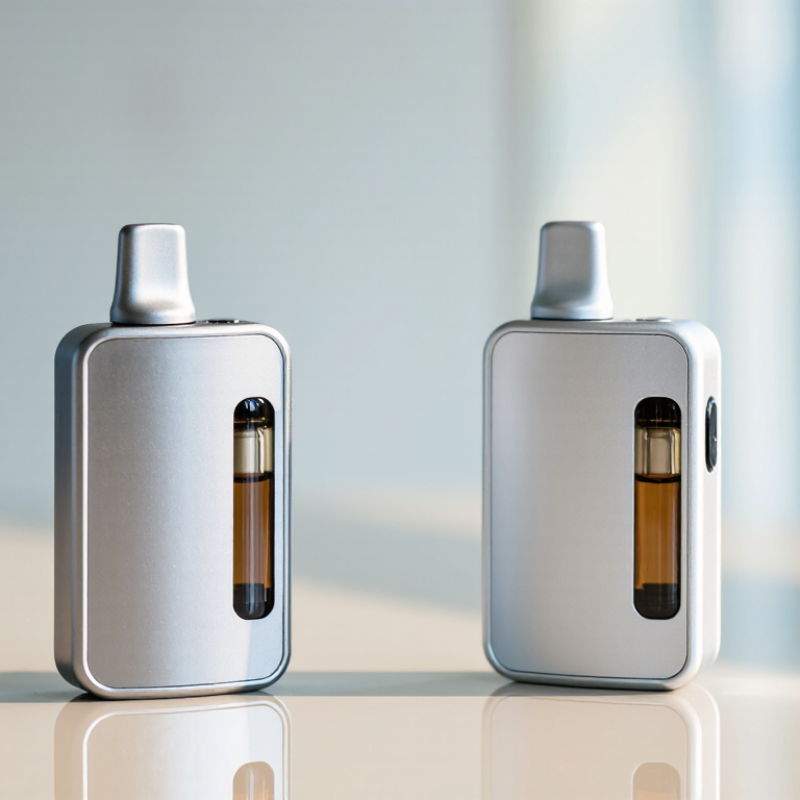
Check the Label: Puff Counts Are Estimates, Not a Universal Standard
China Best Disposable Vape: How to Make It Last Longer?
Check the Label: Puff Counts Are Estimates, Not a Universal Standard
A printed puff count is a laboratory estimate, not a promise for every user. Testing often uses short, consistent draws under controlled conditions. Real use varies widely. Longer puffs consume more e-liquid and battery power. Frequent use also changes the device’s performance over time.
Check the label for the stated capacity, battery information, storage guidance, and disposal instructions. Do not open, refill, puncture, or modify a disposable device. If it is not designed for charging, never connect it to a charger. Keep it away from heat, direct sunlight, water, and loose metal objects. A cool, dry drawer is safer than a hot car.
Small habits can help. Take steady, moderate draws instead of repeated long pulls. Avoid activating the device accidentally in a pocket or bag. Store it upright when practical. Stop using it if the device becomes unusually hot, leaks, tastes burnt, or shows physical damage. These signs may indicate depleted liquid, battery stress, or a manufacturing problem.
Puff counts still have value. They help compare products, but only as approximate guidance. Capacity and personal habits matter more than the headline number. I once treated an advertised count as exact; that expectation was unrealistic. Reading the full label would have prevented the mistake. Use the product only as permitted locally and follow the manufacturer’s safety instructions.
Protect the Battery: Store Devices at 15–25°C and Avoid Direct Sunlight
A disposable vape lasts more reliably when its battery is protected from heat. Store the device between 15 and 25°C, ideally in a dry drawer away from windows. Direct sunlight can raise its internal temperature quickly, even on a mild day. Heat accelerates battery aging and may affect the liquid’s consistency. A cool, stable place is better than a cold car or bathroom cabinet.
Keep the device upright when practical, with the mouthpiece covered and away from keys or coins. Metal objects can press against contacts and create unwanted electrical contact. Never store a device that is swollen, cracked, leaking, unusually hot, or producing an odor. Stop using it. Follow the product instructions, especially if the device has a rechargeable battery. Do not improvise a charger or leave charging equipment unattended.
I once treated a small device casually, leaving it beside a sunny window. It felt warm later, and its performance became inconsistent. That was a useful warning, not a test to repeat. A quick temperature check helps. If the surface feels hot, move it away and let it cool naturally. Do not place it in a refrigerator or freezer. Extreme cold can cause condensation and damage. Store only as much as you can monitor, and use these products only as permitted for adults in your location.
Use Efficiently: Short, Gentle Puffs Help Approach the Rated Puff Count
Short, gentle puffs can help a disposable vape approach its rated puff count. However, that number is a laboratory estimate, not a guarantee. CORESTA Recommended Method No. 81 uses a 55 mL puff, lasting three seconds, with a 30-second interval. ISO 20768 describes a similar controlled testing approach. Real users draw differently, so long, forceful pulls can consume more e-liquid and battery power per puff.
Try a soft one- to two-second draw. Keep the airflow steady, then pause for 20 to 30 seconds. This gives the coil time to resaturate and reduces the chance of a dry, burnt taste. Avoid repeated pulls while the device feels warm. Small details matter. Keep it upright and away from direct sunlight, such as a hot car dashboard. Never block the airflow openings.
My practical view is less perfect: shorter puffs may extend use, but they cannot repair a weak battery or poor storage. A device may also stop before its advertised count if the liquid runs low. The U.S. National Academies report notes that aerosol output changes with device design, power, and user behavior. Treat the printed count as a comparison figure, not a promise. If the device leaks, overheats, or tastes burnt, stop using it and follow local disposal guidance.
China Best Disposable Vape How to Make It Last Longer? - Use Efficiently: Short, Gentle Puffs Help Approach the Rated Puff Count
| Usage Dimension |
Practical Guidance |
Reference Data or Typical Condition |
Expected Benefit |
| Puff duration |
Use short, gentle puffs rather than long, forceful draws. |
A 1–2 second puff generally consumes less aerosol than a 4–5 second puff, although output varies by device. |
May reduce e-liquid and battery consumption per puff and help the device approach its rated puff count. |
| Puff interval |
Allow a reasonable pause between puffs instead of taking repeated draws continuously. |
A 30-second interval is commonly used in standardized laboratory aerosol-generation methods, but real-world use differs. |
Gives the wick time to resupply e-liquid and helps limit overheating or dry hits. |
| Airflow |
Keep the airflow opening clear and avoid covering it while inhaling. |
Restricted airflow can increase draw resistance and may produce a hotter, less consistent vape. |
Supports more consistent vapor production and reduces the chance of harsh or burnt-tasting puffs. |
| Storage temperature |
Store the device in a cool, dry place away from direct sunlight, vehicles, and heat sources. |
Avoid exposing lithium-battery devices to temperatures above 60°C (140°F). |
Helps protect battery performance, e-liquid stability, and device reliability. |
| Battery condition |
For rechargeable models, recharge before the battery becomes fully depleted and use the supplied or compatible charging equipment. |
Lithium-ion batteries typically perform best when they are not repeatedly driven to complete discharge. |
Reduces weak vapor output and helps maintain more stable performance over the device’s usable life. |
| Rated puff count |
Treat the printed puff count as a laboratory estimate, not a guaranteed number for every user. |
Actual count depends on puff length, airflow, draw strength, e-liquid volume, battery capacity, and device design. |
Sets realistic expectations and explains why gentler, shorter puffs may deliver more usable puffs. |
| End-of-life signs |
Stop using the device if it leaks, becomes unusually hot, shows visible damage, or produces a persistent burnt taste. |
A noticeable drop in vapor, weak flavor, repeated dry hits, or failure to activate can indicate depleted e-liquid or battery power. |
Improves safe handling and prevents continued use of a malfunctioning device. |
Note: Puff counts are not standardized across all disposable vapes. Laboratory reference regimes commonly use approximately 3-second puffs, a 55 mL puff volume, and 30-second intervals; real-world results can be higher or lower. Use only as directed by the applicable product instructions and local regulations.
Know EU Limits: TPD Caps E-Liquid at 2 mL and Nicotine at 20 mg/mL
China Best Disposable Vape: How to Make It Last Longer?
For products made for the EU market, durability starts with compliance. The European Union’s Tobacco Products Directive limits disposable device liquid capacity to 2 mL. It also caps nicotine strength at 20 mg/mL. Refill containers have a separate 10 mL limit. These figures are stated in Directive 2014/40/EU and supported by European Commission implementation guidance. A larger cartridge is not a legal shortcut. It may also create uneven liquid delivery, leaks, or burnt taste.
A 2 mL device can feel short-lived when users take frequent, long puffs. Research summaries from the World Health Organization note that nicotine delivery varies with device design, liquid strength, and puffing behaviour. That makes simple “puff count” claims unreliable. My practical view is less certain than marketing promises. Airflow, coil temperature, and storage can change performance noticeably.
Tips: Take steady, shorter puffs and pause between them. Keep the device upright and away from heat or direct sunlight. Do not open, refill, modify, or recharge a device unless its instructions clearly permit it. Stop using it if the battery area becomes hot, the casing swells, or liquid leaks. Product labels should show capacity, nicotine strength, ingredients, and safety information clearly. Small details matter.
Under the EU Tobacco Products Directive (TPD), nicotine-containing e-liquid containers are limited to 10 mL, refillable tanks and disposable cartridges are limited to 2 mL, and nicotine strength must not exceed 20 mg/mL. To make a disposable vape last longer, avoid unnecessary chain vaping, take steady shorter puffs, and store the device away from heat and direct sunlight. These limits are legal maximums, not usage recommendations.
Stop Safely: Replace Leaking Devices and Never Recharge Non-Rechargeables
China Best Disposable Vape: How to Make It Last Longer?
A disposable vape should last only until its liquid or battery is depleted.
Leaking changes that decision. The liquid may reach the mouthpiece, battery area, or clothing. Stop using the device immediately. Do not wipe it and continue. Replace it instead.
The U.S. Fire Administration recorded 195 electronic-cigarette fire and explosion incidents from 2009 to 2016. Its report also documented 133 injuries.
Damaged devices deserve caution, even when they still produce vapour.
Never recharge a non-rechargeable disposable vape.
Do not open, puncture, squeeze, or transfer its liquid. For rechargeable models, use only the supplied charging method. Stop charging if the device becomes unusually hot, swells, smells strange, or makes noise.
The WHO report Global Report on Trends in Tobacco Use warns that electronic devices can create health and safety risks when poorly designed or misused.
I once assumed a small leak was harmless. That assumption was wrong.
Tips:
Store the device upright, away from sunlight, water, children, and loose metal objects. Keep it in a cool, dry place. Avoid pockets filled with keys. Check the mouthpiece before every use. If liquid touches skin, wash with soap and water. If it reaches the eyes, rinse carefully and seek medical advice. Dispose of damaged or empty devices through local battery or electronic-waste collection. Ordinary bins may create avoidable fire risks.
Conclusion
Learning how to make a disposable vape last longer starts with understanding that the puff count printed on the label is only an estimate, not a universal standard. Actual usage depends on puff duration, inhalation style, and device design. To use the e-liquid more efficiently, take short, gentle puffs rather than long or forceful draws. Store the device in a cool, dry place between 15–25°C and keep it away from direct sunlight or excessive heat, which can affect battery performance and liquid quality.
Users should also be aware that regulations may limit disposable vape capacity and nicotine strength. In the EU, for example, the TPD limits e-liquid to 2 mL and nicotine concentration to 20 mg/mL. For safety, stop using any device that leaks, becomes unusually hot, or shows damage. Never attempt to recharge a non-rechargeable vape, and dispose of used devices responsibly according to local guidance.

 Nevra Vape