Disposable vapes have surged in popularity, but questions arise about their environmental impact. Dr. Emily Johnson, an environmental scientist, emphasizes the hidden costs of convenience: "The convenience of disposable vapes often masks their environmental hazards." These products contribute to growing waste and pollution.
Many disposable vapes contain plastic components and lithium batteries. These materials are challenging to recycle. Discarded vapes can end up in landfills, where they may take years to decompose. They can also leak harmful chemicals into the soil and water systems. This raises serious concerns about their overall impact.
The question persists: are disposable vapes bad for the environment? Consumers must reflect on their choices. By understanding the environmental footprint of such products, we can make more sustainable decisions. Awareness and responsibility are essential in navigating this complex issue.
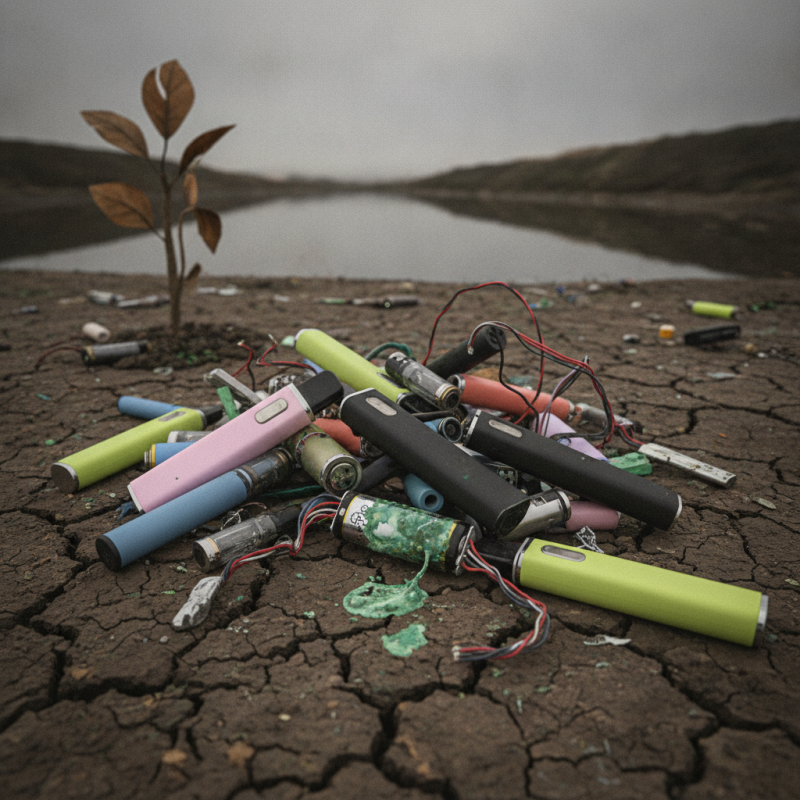
Disposable vapes have become increasingly popular, but their environmental impact raises significant concerns. These devices often end up in landfills, contributing to electronic waste. Each vape contains harmful materials, including lithium batteries. Once discarded, these materials can leach into soil and water, causing potential harm to ecosystems.
Moreover, manufacturing disposable vapes requires substantial resources. The production process uses plastic, metals, and chemicals that can deplete natural resources. Many consumers overlook this when enjoying the convenience of disposable products. As we indulge in quick solutions, we ignore the long-term consequences on our planet. It's essential to acknowledge this disparity and reflect on our habits.
Educating users about proper disposal methods is crucial. Many people are unsure where to recycle these devices. Local e-waste recycling programs can mitigate some environmental damage. By taking responsibility for our choices, we can reduce the negative impact of disposable vapes on the environment. Everyone has a role to play in preserving our planet. Let's think twice before reaching for that disposable vape.
Disposable vape usage has surged in recent years, particularly among younger populations. A report from the Centers for Disease Control and Prevention (CDC) reveals that 3.6 million high school students used e-cigarettes in 2021. This trend raises pressing environmental concerns. The components of disposable vapes—batteries, plastic, and e-liquid—pose significant disposal challenges. These items often end up in landfills, contributing to pollution and harming wildlife.
Moreover, a study published by the Journal of Environmental Health highlights that the lithium batteries in disposable vapes can release toxic chemicals when discarded improperly. According to the report, improper disposal can lead to soil and water contamination. Many users are unaware of how to recycle these devices or their components. As a result, the environmental impact accumulates, with millions of units discarded each year.
Despite the growing clarity on the environmental consequences, solutions are scarce. Educating users on eco-friendly disposal methods is crucial. Additionally, manufacturers bear responsibility in creating sustainable products. Industry must overhaul its practices. Implementing take-back programs or designing fully recyclable devices could mitigate the ecological footprint. The current reality demands reflection on both user habits and manufacturer responsibilities.
Disposable vapes have become popular, yet they pose significant environmental risks. One major issue is e-waste. When vapes are discarded improperly, they contribute to rising e-waste levels. This waste often ends up in landfills, where harmful chemicals can seep into the soil and water supply. The batteries inside these devices can be particularly damaging, as they contain metals like lithium and cobalt.
Many people are unaware of the proper disposal methods for disposable vapes. Throwing them in regular trash adds to the problem. These items require special handling due to their toxic components. Responsible disposal is crucial. Some areas have e-waste recycling programs to manage devices like vapes. However, access to these services varies widely.
So, what can be done? Start by informing others about the risks of improper disposal. Encourage friends and family to use recycling centers. Often, we underestimate the impact of our choices. Taking a moment to think about how we dispose of these products can make a difference. Remember, the goal is not only to reduce e-waste but to protect our environment for future generations.
Disposable vapes have gained popularity but pose environmental challenges. Proper recycling and disposal are essential to minimize their impact. Many disposable vapes contain plastics and batteries, which can harm wildlife and ecosystems if not disposed of correctly.
When discarding a disposable vape, check local regulations. Some areas offer designated e-waste recycling centers. These facilities ensure safe disposal of harmful components. It may require extra effort, but it's worth it. Some companies may provide recycling programs, so be proactive in seeking out these options.
If a recycling program is unavailable, consider repurposing the vape parts. The casing can be recycled with plastic, while the battery may need special handling. Always take time to research the best local practices. Reflecting on personal responsibility is key. Every little action helps protect the planet.
The rise of disposable vapes has sparked environmental concerns. These devices often end up in landfills, contributing to pollution. However, innovations in eco-friendly vape alternatives promise a more sustainable future.
Start by considering reusable vapes. Many manufacturers are designing products that can be refilled and reused. This reduces waste significantly and minimizes the need for single-use devices. Look for materials that are recyclable or biodegradable. These options can lessen the environmental footprint of your vaping habit.
Another key tip is to support companies that prioritize sustainability. Seek out brands committed to eco-friendly practices, such as responsible sourcing of materials. Engage in local recycling programs for vapes, if available. It’s not just about personal use; contributing to community efforts can amplify positive change. The vaping industry is evolving, and consumers have a critical role in steering it toward a greener future.
| Aspect | Impact | Challenges | Innovations |
|---|---|---|---|
| Material Waste | High volume of plastic and metal waste | Difficulties in recycling | Biodegradable materials research |
| Battery Disposal | Toxic chemicals in rechargeable batteries | Environmental hazards | Developing safer battery alternatives |
| Carbon Footprint | Production and transport emissions | Regulatory challenges | Renewable energy use in production |
| Lifecycle Management | Short usage life leading to frequent disposal | Consumer awareness | Refillable and reusable systems |
| Consumer Education | Increased awareness of environmental issues | Misinformation in the market | Sustainable vaping campaigns |
: Disposable vapes attract youth due to convenience and flavor variety. They are easy to use and carry.
Disposable vapes contribute to pollution. Their batteries and plastic often end up in landfills, harming wildlife.
Improper disposal can release toxic chemicals. This can contaminate soil and water supplies, affecting ecosystems.
Many users lack knowledge about recycling. This results in millions of vapes discarded improperly each year.
Users should seek e-waste recycling programs. Responsible disposal helps minimize environmental impact.
Yes, manufacturers should create sustainable products. They can implement take-back programs to promote recycling.
E-waste, including discarded vapes, increases landfill issues. Harmful materials seep into the environment, posing long-term risks.
Inform others about e-waste risks. Encourage the use of recycling options to promote responsible disposal.
Our choices impact the environment. Reflecting on disposal habits can lead to better practices for future generations.
Yes, access to e-waste recycling varies greatly. Some areas may lack facilities to handle these devices effectively.
The article "Are Disposable Vapes Bad for the Environment 5 Key Tips" explores the significant environmental impact caused by disposable vapes. It discusses current trends in their usage and highlights the detrimental consequences associated with improper disposal, particularly focusing on e-waste. The dangers posed by discarded disposable vapes are emphasized, urging users to consider the environmental implications of their choices.
To mitigate these issues, the article suggests best practices for recycling and disposal methods, advocating for responsible handling of vape products to reduce their ecological footprint. It also explores innovative eco-friendly alternatives that could pave the way for a more sustainable future in vaping. Ultimately, the article posits that while disposable vapes present environmental challenges, informed actions can lead to a better outcome for the planet.

Nevra Vape