In recent years, the debate over whether disposable vapes are better than refillable ones has intensified. Industry expert Dr. Sarah Thompson, a leading researcher in vaping technologies, states, “The choice ultimately depends on personal preference and lifestyle.” This insight opens the door to a deeper exploration of the factors influencing choices among vapers.
Disposable vapes offer convenience and ease of use, appealing to those who prefer a hassle-free experience. They eliminate the need for refilling e-liquids and changing coils. However, questions about sustainability arise. Many users express concerns over the environmental impact of single-use vapes.
On the other hand, refillable vapes present an eco-friendlier option, allowing users to reduce waste. Yet, they can be complicated for beginners. It’s crucial to consider the balance between convenience and environmental responsibility. The question “are disposable vapes better than refillable ones” is not easily answered; it shapes opinions, habits, and the future of vaping culture.
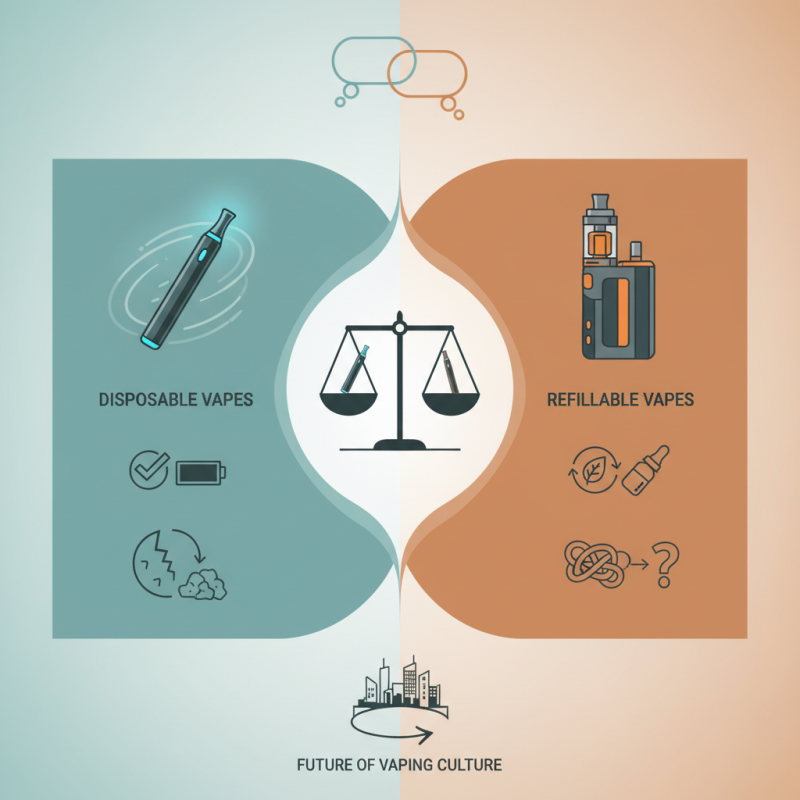
Comparison of Disposable and Refillable Vapes: An Overview
In recent years, disposable and refillable vapes have gained immense popularity. Each type has unique characteristics. Disposable vapes are often praised for their ease of use. They come ready to go, requiring no setup. Users can simply throw them away after use. This convenience appeals to many, especially those new to vaping. However, they tend to have shorter life spans and are less environmentally friendly.
On the other hand, refillable vapes offer a different experience. They allow users to select their favorite e-liquids. This customization can enhance the vaping experience. Refillable devices often last longer than disposables, making them potentially more cost-effective. Yet, some users might find the maintenance cumbersome. Filling the tank and cleaning components can be a hassle.
The decision between disposable and refillable vapes relates to personal preferences. Disposable options provide a quick fix for convenience seekers. Refillable devices appeal to those who value customization and longevity. The future landscape will likely see advancements in both categories. Balancing ease of use and sustainability will be pivotal in shaping user choices. Ultimately, the best option may depend on individual lifestyle needs.
Advantages of Disposable Vapes in 2026: Convenience and Portability
In 2026, disposable vapes continue to gain popularity. Their convenience is one reason for this trend. Users appreciate the ease of use these devices offer. There’s no need to refill e-liquid or replace coils. Simply pick one up, use it, and discard when done. This simplicity appeals to busy individuals seeking hassle-free alternatives.
Portability is another significant advantage. Disposable vapes are lightweight and easy to carry. They fit seamlessly into pockets or bags. Many people enjoy the discreet experience these devices provide. This portability allows for relaxed enjoyment in various settings, whether on the go or at home. The compact design of disposables makes them more accessible for newcomers as well.
While the allure of disposables is clear, there are aspects to consider. The environmental impact of single-use products raises questions for many. Some users may feel guilty about wastefulness. The lack of customization compared to refillable options may also limit the experience for some vapers. These factors require users to weigh convenience against sustainability and personal preference.
Comparison of Disposable Vapes and Refillable Vapes in 2026
This chart compares the various advantages of disposable vapes versus refillable vapes in 2026, highlighting aspects such as convenience, portability, cost-effectiveness, and sustainability.
Benefits of Refillable Vapes: Customization and Cost-Effectiveness
In 2026, refillable vapes have gained popularity for their customization options and cost-effectiveness. Users can select different e-liquid flavors and nicotine strengths. According to a recent industry report, around 75% of vape users prefer customization, leading to a more personal experience. The ability to swap e-liquids allows vapers to create unique blends, something disposable vapes cannot offer.
Cost is another significant factor. A refillable vape can save users about 70% compared to disposables over time. Each refill generally costs less than buying a new disposable unit. However, initial expenses for refillable models and accessories can be higher. Users should weigh short-term costs against long-term savings. Keep in mind that maintenance is essential for longevity, as improper care can lead to poor performance.
Tips:
Experiment with different flavors to find your ideal mix. Regularly clean your device to maintain flavor quality. Monitor your expenses to see how refillable vapes can benefit your budget. This balanced approach helps users make informed decisions while enjoying their vaping experience.
Are Disposable Vapes Better Than Refillable Vapes in 2026?
| Feature |
Disposable Vapes |
Refillable Vapes |
| Cost |
Higher long-term |
Lower long-term |
| Customization |
Limited |
Extensive |
| Environmental Impact |
More waste |
Less waste |
| Convenience |
Very convenient |
Requires refilling |
| Flavor Variety |
Limited options |
Large variety |
| Battery Life |
Single-use |
Rechargeable |
Environmental Impact of Disposable vs. Refillable Vapes
The debate between disposable and refillable vapes continues to evolve, particularly regarding their environmental impact.
Disposable vapes create significant waste. A 2022 report revealed that over 1.5 million disposable vapes are discarded daily in the U.S. alone.
This results in increased plastic pollution and hazardous waste, as many parts cannot be recycled effectively.
In contrast, refillable vapes generate less waste. Users can utilize the same device multiple times.
Data shows that switching to refillable options could reduce electronic waste by up to 90%.
However, refillable devices require more effort in maintenance and can involve a learning curve for new users.
It's essential to consider these factors before making a choice.
Tips for eco-conscious vaping include opting for refillable devices when possible.
Consider how often you vape to determine what might be best for you.
Always research proper disposal methods for used components, ensuring minimal harm to the environment.
By making informed choices, vapers can contribute positively to environmental sustainability.
User Preferences and Market Trends in Vape Consumption in 2026
In 2026, the vape market has evolved significantly. A survey by the Vape Industry Association suggests that around 55% of users prefer disposable vapes over refillable options. This preference is largely due to convenience and ease of use. Many users appreciate that disposable vapes do not require maintenance or refilling. They can simply purchase a device and use it right away.
However, environmental concerns are growing. A report from the Green Vape Initiative indicates that disposable vapes contribute to increasing electronic waste. Users are becoming more aware of this issue. In contrast, refillable vapes offer a sustainable alternative, appealing to eco-conscious consumers. About 30% of surveyed users express a desire for greener options.
Price sensitivity is another critical factor. Disposable vapes tend to have lower upfront costs. Yet, over time, they can become more expensive than refillables. Users must weigh convenience against long-term value. The evolving dynamics in consumer preferences highlight a complex relationship between usability, cost, and environmental impact. This contrast calls for deeper consideration on the part of both users and manufacturers.
Conclusion
In the evolving landscape of vaping in 2026, the question "are disposable vapes better than refillable ones" remains a significant topic of discussion. Disposable vapes offer notable advantages, particularly in terms of convenience and portability, making them a popular choice for users seeking a hassle-free experience. Their compact design allows for easy transport, appealing to on-the-go consumers.
On the other hand, refillable vapes present substantial benefits, including customization options and long-term cost-effectiveness. Users who prefer personalized vaping experiences often lean towards refillable systems, which not only allow for varied flavors but also reduce waste over time. Additionally, the environmental impact of disposables compared to refillables is a growing concern, pushing for more sustainable choices. As market trends evolve, understanding user preferences in this context will be crucial in determining which option prevails in the future of vaping.

 Nevra Vape