Disposing of a vape requires careful consideration. Many users are unaware of the potential hazards associated with improper disposal. This guide aims to address the question of how to dispose of a vape safely and responsibly.
Vapes contain batteries and various materials that can harm the environment if discarded irresponsibly. Proper disposal helps prevent pollution and protects wildlife. Responsible methods exist, yet many individuals still struggle to find them.
By understanding local regulations and resources, you can ensure safer choices. Engaging with your community can enhance knowledge about vape disposal options. Ultimately, it’s about making informed decisions to minimize harm. Taking action not only reflects personal responsibility but also contributes to a larger movement toward sustainability.
Understanding the Components of a Vape Device
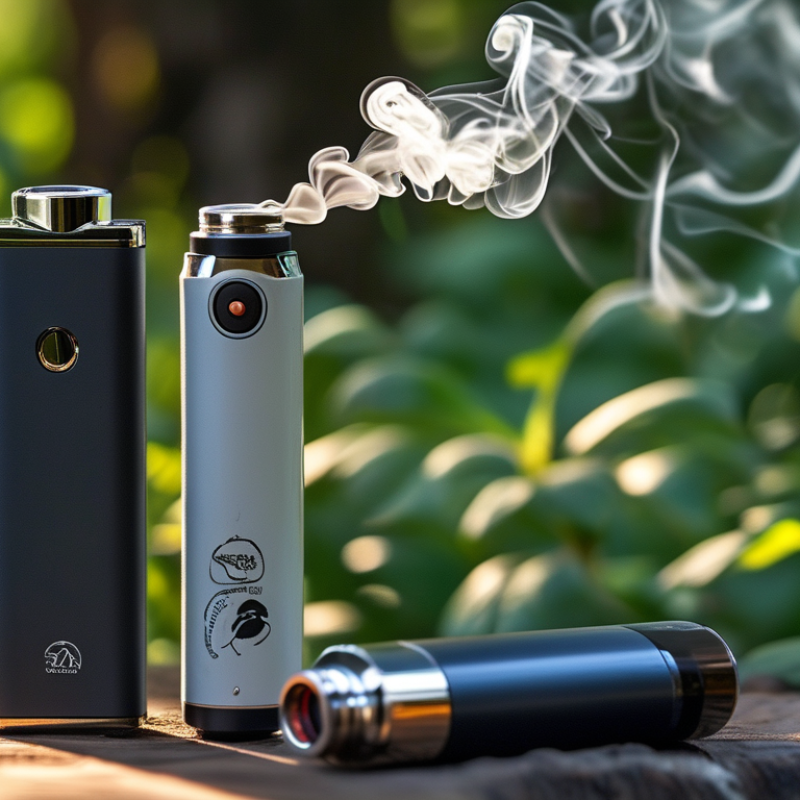
Vape devices consist of several components, each playing a vital role in their functionality. At the core is the battery, which powers the device. Batteries may vary in size, capacity, and type. Users should understand that improper disposal of batteries can cause environmental harm. It's crucial to handle them with care.
The tank holds the e-liquid, which typically contains propylene glycol, vegetable glycerin, flavoring agents, and nicotine. While these ingredients may seem harmless, e-liquids can still pose risks if not discarded properly. Leaking e-liquids can contaminate soil or water. Therefore, disposing of these components responsibly is key.
Finally, the coil heats the e-liquid to create vapor. Coils can accumulate residue over time, making them less effective. Users often overlook cleaning or replacing coils. Regular maintenance can prolong the device's life. Awareness of component disposal helps in understanding the broader impact on health and environment. Each piece requires thoughtful handling to minimize negative effects.
Identifying Local Regulations on Vape Disposal
When disposing of a vape, understanding local regulations is crucial. Many regions have specific guidelines on how to handle vape waste. This includes batteries, plastic components, and liquid remnants. The Battery Education Network reports that improper disposal can lead to pollution and safety hazards. About 80% of vape devices contain lithium-ion batteries, which are harmful if discarded carelessly.
Local regulations can vary widely. For example, in some states, vapes are considered hazardous waste. Communities may have designated drop-off locations for vape disposal. You can often find this information through local waste management websites or municipal offices. The Environmental Protection Agency emphasizes safe disposal to prevent environmental contamination. Many cities have also initiated recycling programs for electronic devices, including vapes.
It's essential to be proactive. Not all users know the laws regarding vape disposal. In fact, studies show that a significant percentage of vapers discard their devices improperly. This highlights the need for better awareness and education. Responsible disposal can help reduce the environmental impact of vape waste. Always verify local regulations to ensure compliance and protect the environment.
Step-by-Step Guide to Disassembling a Vape
Disassembling a vape safely starts with gathering your tools. You will need a small screwdriver, pliers, and safety gloves. Before you begin, ensure the vape is turned off and empty. Remove the mouthpiece carefully. Sometimes, these parts can be stuck. If so, a gentle twist can help dislodge it.
Next, take apart the battery compartment. Use the screwdriver to remove screws if necessary. Pay attention to the wiring. It can be tricky and fragile. Avoid pulling too hard, as this may damage the components or cause injury. Once the battery is accessible, detach it, ensuring you follow safety precautions due to the potential for leakage or fire.
Now, handle the e-liquid reservoir. Dispose of any remaining liquid properly. Clean the reservoir with warm water. Allow all parts to dry before recycling where possible. Remember, this process can vary by model. Research is key. Mistakes can happen. Always double-check your work.
How to Dispose of a Vape Safely and Responsibly? - Step-by-Step Guide to Disassembling a Vape
| Component |
Disposal Method |
Recycling Information |
Safety Precautions |
| Battery |
Take to a designated battery recycling center. |
Most lithium-ion batteries can be recycled. |
Avoid puncturing or damaging the battery. |
| Cartridge |
Dispose of in regular waste unless recyclable. |
Check local guidelines on cartridge recycling. |
Ensure it is empty before disposal. |
| Plastic Body |
Check for local plastic recycling options. |
Not all plastics are recyclable; verify type. |
Rinse if needed to remove residue. |
| Cotton Wick |
Dispose of in regular waste. |
Not recyclable. |
Ensure it is dry before disposal. |
| Liquid Residue |
Seal in a container and dispose in regular waste. |
Check with local waste management for guidance. |
Do not pour down the drain; it may be harmful. |
Eco-Friendly Disposal Options for Vape Parts
Vape devices and their components pose environmental challenges. Many users are unaware of the potential pollution caused by improper disposal. A report from the Institute of Environmental Sciences indicates that e-waste is projected to reach 57.4 million metric tons by 2021. Vapes, containing lithium batteries and electronic parts, contribute to this issue if not disposed of responsibly.
Eco-friendly disposal options exist for vape parts. Many local electronic waste programs accept used vape batteries and devices. These programs ensure safe recycling instead of ending up in landfills. According to the Environmental Protection Agency (EPA), recycling batteries reduces toxic components entering the environment. Even small steps, like using designated drop-off locations, can significantly impact waste management.
It is essential to think critically about disposal habits. Many vapers might be unaware of the environmental consequences of their choices. Regular education on responsible disposal helps raise awareness. Moreover, organizations suggest creating more accessible recycling programs tailored for vape devices. As awareness grows, the responsibility shifts to users to dispose of their vapes properly.
Safely Disposing of Vape Batteries and E-liquids
Vape batteries and e-liquids require careful disposal. Over 500 million vape devices are used globally, highlighting the need for responsible practices. E-liquids contain chemicals that can harm the environment. Improper disposal can lead to water contamination and soil damage.
Many local guidelines suggest recycling vape batteries at specific electronic waste facilities. These batteries, often lithium-ion, contain hazardous materials if thrown away carelessly. In 2020, studies revealed that up to 90% of these batteries could be recycled. This helps reduce pollution and conserves valuable resources.
When disposing of e-liquids, check for local regulations. Sealed containers can sometimes go in household hazardous waste programs. Avoid pouring liquids down the drain. Instead, mix leftover e-liquid with coffee grounds to deter ingestion by animals.
Tip: Always keep vape materials in their original containers. This prevents leaks and spills during disposal. Remember, responsible vaping practices extend beyond use. Your actions impact the planet.
Vape Disposal Awareness: Waste Types and Their Proper Disposal Methods
FAQS
: A vape device has a battery, tank, and coil, each essential for its function.
Improper battery disposal can harm the environment. Handling them safely is crucial for eco-friendliness.
E-liquid usually has propylene glycol, vegetable glycerin, flavorings, and nicotine. It needs careful disposal to prevent contamination.
Regularly clean or replace coils to ensure they work effectively and prolong the device’s life.
Gather a small screwdriver, pliers, and safety gloves for a safe disassembly process.
Empty the reservoir, clean it with warm water, and let it dry before recycling.
Yes, many local electronic waste programs accept used vape batteries and devices for safe recycling.
Improper disposal can contribute to pollution and harm wildlife. Awareness of habits is essential.
Gently twist the mouthpiece for dislodging. Be careful to avoid damaging it during removal.
Research local recycling programs and stay informed about the environmental impact of improper disposal.
Conclusion
When considering how to dispose of a vape safely, it's essential to understand its components and the local regulations governing vape disposal. Vapes typically consist of a battery, various electronic parts, and e-liquids, each requiring different disposal methods. Start by researching your local regulations to ensure compliance, as these can vary widely.
The process of disassembling a vape involves carefully separating the components, such as the tank, battery, and any cartridges. Eco-friendly disposal options include recycling electronic parts and disposing of e-liquids at designated waste facilities. Lastly, it's crucial to handle vape batteries with care, as they can be hazardous if improperly discarded. By following a responsible disposal method, you can contribute to a healthier environment while ensuring your practices align with safety guidelines.

 Nevra Vape