Vape performance and flavor can change noticeably with small details. A weak draw, muted taste, or uneven vapor often signals a maintenance issue. However, the cause is not always obvious. Asking “what affects vape performance and flavor” creates a better starting point than changing several settings at once.
In practical testing, coil condition is one of the clearest factors. A worn coil may produce a burnt taste, reduced vapor, or inconsistent heating. E-liquid age and storage also matter, especially when bottles sit in heat or direct sunlight. Airflow settings can change the draw from tight and warm to open and cool. Battery charge, device cleanliness, and connection points deserve attention too. Keep it simple.
Use the settings recommended by the device manufacturer. Avoid damaged batteries, leaking components, or unapproved chargers. These problems affect performance and can create genuine safety risks. Cleaning the mouthpiece and connection area with suitable materials may improve airflow, but aggressive tools can cause damage. Small changes are better.
Flavor remains subjective. The same e-liquid may taste bright to one user and flat to another. Results can also vary with temperature, inhalation style, and personal sensitivity. That is why careful observation helps. Change one factor, record the result, and avoid assuming a popular setting will work for everyone. Some advice online sounds confident but lacks testing or safety evidence. Manufacturer instructions and reputable public-health guidance should remain the most reliable references. Improvement is possible, but it should never come at the expense of safe use or legal compliance.
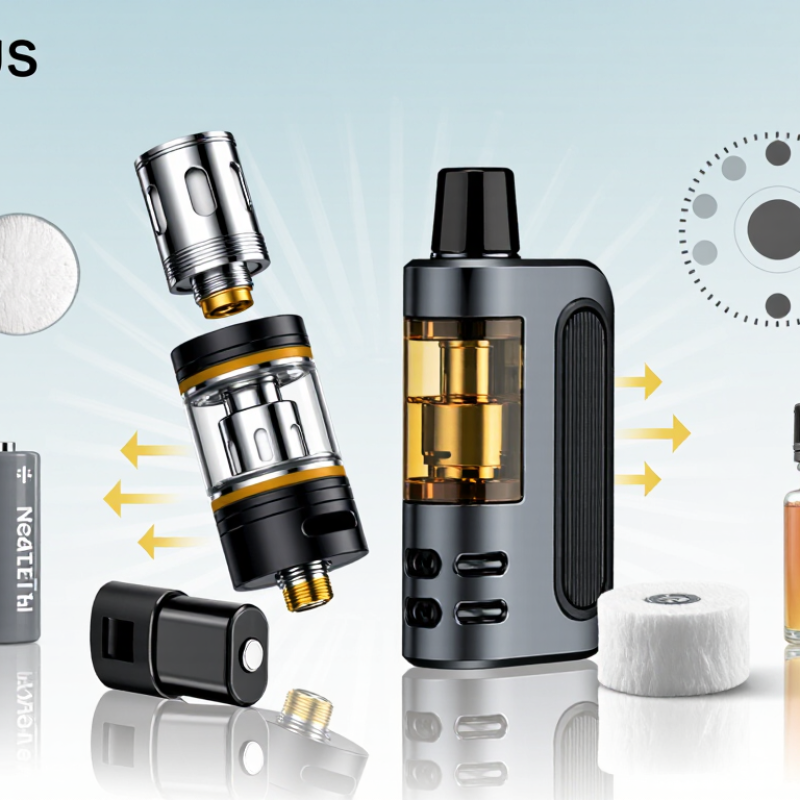
Vape performance depends on several connected factors, not just the device itself. Battery charge affects heat consistency, especially during longer sessions. A weak battery can produce thin vapor and muted flavor. Airflow also matters. A tighter setting usually gives a warmer, denser draw, while wider airflow can feel cooler and lighter. Small changes are noticeable.
Liquid condition plays an important role. Heat, sunlight, and long storage can alter its taste and thickness. Keeping it sealed in a cool, dark place helps preserve consistency. Residue can collect around the mouthpiece and airflow openings, creating a stale taste or uneven draw. Cleaning these areas with a dry, lint-free cloth may help. Never use damaged batteries or modify electrical components. Follow the device instructions and local age and safety laws.
Coil condition is often overlooked. A burnt taste, reduced vapor, or gurgling sound may indicate that a replaceable part needs attention. Allowing the liquid to soak properly can reduce dry hits, although timing varies between devices. I once blamed the liquid for poor flavor, but the real problem was a worn coil. My first adjustment was not always the right one. Even experienced users can misread airflow, temperature, or liquid balance. Recording small changes, such as airflow position and charging time, can make the cause easier to identify.
Check the coil’s resistance and recommended liquid range first. Higher-PG liquids feel sharper. Higher-VG liquids create denser vapor. Thick liquid may feed slowly through small ports. Use clearly labeled, legally compliant products.
Start near the lower end of the coil’s stated range. Increase power slowly. Stop when the flavor becomes harsh or unusually hot. Maximum wattage is not automatically better.
Open airflow slightly for a cooler, lighter draw. Close it gradually for denser vapor and stronger flavor. A tight draw can create heat. Small changes matter.
Take a slow, steady puff lasting two to four seconds. Avoid sharp, forceful pulls. Let the coil absorb liquid between puffs. Chain inhalation may behave differently from laboratory testing.
The coil may be dry, old, overheated, or covered with residue. Reduce power and allow liquid to soak in. If the burnt taste remains, replace the coil. Do not add water or unknown substances.
Wipe the mouthpiece with a dry, lint-free cloth. Clean the tank and contact points regularly. Inspect for cracks, leaks, and loose connections. Small details matter.
Replace it when flavor stays muted, liquid darkens quickly, or vapor feels irritating. Follow the device instructions. Waiting too long usually worsens the taste.
Stop using it immediately if it becomes unusually hot, damaged, or leaky. Never use a device with a damaged battery. Do not modify internal parts. Safety guidance comes first.
Liquid level, temperature, airflow, coil age, and puff duration can change performance. Home use rarely matches controlled testing. I sometimes adjust too quickly and lose balance; waiting a few minutes helps.
Improving vape performance and flavor begins with understanding what affects vape performance and flavor, including e-liquid composition, coil condition, device settings, airflow, and inhalation style. Choosing an e-liquid that matches the coil and device, along with suitable power settings, can help produce smoother vapor and more balanced taste. Before use, the coil should be properly prepared and saturated to reduce dry or burnt flavors and support consistent vapor production.
Regular maintenance is also essential. Cleaning the tank, checking connections, replacing worn coils, and keeping the device in good condition can prevent common flavor problems. Adjusting airflow and power gradually allows users to find a comfortable balance between vapor temperature, density, and taste. If the flavor becomes weak, harsh, or unusual, checking the coil, e-liquid level, airflow path, and battery performance can often identify the cause. Through careful setup, proper use, and routine maintenance, overall vape quality can remain more consistent.

 Nevra Vape