A used vape may fit in your palm, but it can contain a lithium battery and leftover e-liquid. That combination makes disposal more complicated than tossing an empty wrapper. A damaged or crushed battery may overheat, while liquid residue can leak onto other waste. Small device, real risk.
This guide explains how to dispose of a vape safely, whether it is disposable or rechargeable. It covers simple steps: switch the device off if possible, keep it away from heat, and do not puncture, crush, or dismantle it. Then check for a local battery collection point, electronics recycling program, or household hazardous-waste service. Follow the facility’s instructions, since accepted items and drop-off procedures differ by location.
Not sure where yours belongs? Ask the local waste service or the device retailer rather than guessing. Some collection sites may not accept vapes with damaged batteries, and a sealed device can be hard to sort correctly. That uncertainty is frustrating, but it matters. Keep a leaking or swollen device away from children and combustible materials, and contact an appropriate local waste service for handling advice. This introduction is not a substitute for their specific guidance. It is a safer starting point than putting a vape in household trash or a mixed recycling bin.
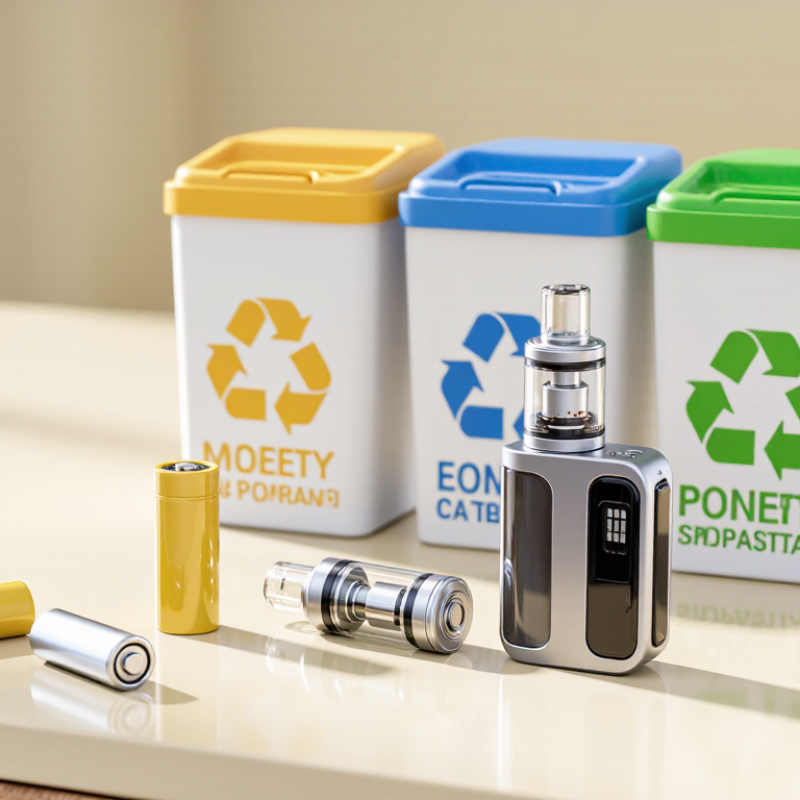
Before choosing a disposal route, identify whether the vape is disposable or rechargeable. Check its label, packaging, or user guide for battery information. Many devices contain lithium-ion batteries, even when the battery is hidden inside a small plastic casing. Look for a charging port, removable pod, or battery compartment, but do not pry open a sealed device. A tiny label can be easy to overlook.
That uncertainty matters.
If the battery is removable, keep it separate only when the device instructions allow safe removal. Cover exposed battery terminals with tape if your local collection site recommends it, and place the battery in a designated battery drop-off container. Take the vape body to an electronics or household hazardous-waste collection point that accepts these devices.
Do not put a vape or loose battery in household trash or curbside recycling; damage can cause fires. Keep it cool and dry while you arrange drop-off. If the battery is swollen, leaking, unusually hot, or damaged, avoid handling it and contact your local waste authority for instructions.
It can be tempting to guess from appearance, but devices vary, and I might misidentify one too. When details are unclear, ask the collection site before dropping it off.
Switch the vape off and let it cool before handling it. Remove a pod or cartridge only if it detaches normally; do not force the casing open or pull out a built-in battery. Keep it intact. The U.S. Environmental Protection Agency warns that e-cigarettes contain lithium batteries and should not go in household trash or curbside recycling. No punctures. Wipe the outside with a dry cloth, and avoid rinsing the device or touching any leaked liquid. If it is hot, swollen, or damaged, do not handle it further; contact your local household hazardous-waste service for instructions.
Cover exposed battery terminals with nonconductive tape only if you can reach them without opening the device. Place the vape in a separate, dry container, away from keys, coins, sunlight, and heat while arranging drop-off. Material Focus estimated in its 2023 report that about five million disposable vapes were discarded weekly in the UK. The scale is striking, but the small battery inside each device still deserves careful handling. Take the prepared vape to a battery or e-waste collection point that accepts these devices, and ask staff how to hand over any damaged unit. Some collection rules vary by location, so checking ahead is sensible. I used to assume a sealed device was automatically safe to store; that was too casual.
How to read this chart: The bars show the recommended order of preparation steps, not measured quantities. Keep the device intact, remove a battery only if it is designed to be user-removable, and follow your local facility’s disposal instructions. Do not put vapes in household trash or curbside recycling.
Even a few drops of e-liquid deserve careful handling. Keep the device upright and away from children, pets, heat, and open flames. A small leak can spread across a countertop before you notice it. That detail is easy to miss.
Wear disposable gloves when handling a leaking cartridge. Place it upright in a leakproof, sealable container, and avoid squeezing, puncturing, or rinsing it. Do not pour leftover liquid into a sink or toilet, or wipe it into household waste. If liquid touches your skin, wash the area with soap and water. For eye exposure, rinse gently with clean water and seek medical advice if irritation continues.
Keep used cartridges and any absorbent material from a spill sealed and separate from ordinary rubbish until you check local disposal guidance. A municipal waste office or household hazardous-waste facility can tell you whether it accepts e-liquid and cartridges. Some collection sites have specific drop-off instructions, so ask before travelling. Never assume an almost-empty cartridge is harmless; that assumption is worth questioning.
| How to Dispose of a Vape Safely? — Handle Remaining E-Liquid and Cartridges | ||
|---|---|---|
| Item or situation | What to do | What to avoid |
| Vape device with a built-in battery | Take it to a local battery, electronics, or household hazardous-waste collection point that accepts these devices. Check local rules before visiting. | Do not put it in household rubbish or curbside recycling. The battery can create a fire risk if damaged or crushed. |
| Device with a removable battery | If the battery can be removed safely according to the device instructions, keep it separate and use an approved battery collection point. Take the device itself to an appropriate electronics collection point. | Do not force a stuck battery out, puncture it, or place a loose battery where its terminals can touch metal objects. |
| Unused or leftover e-liquid | Keep it in its original, closed container and ask your local household hazardous-waste service how to dispose of it. Store it securely until then, away from children and pets. | Do not pour e-liquid into a sink, toilet, storm drain, or onto the ground. Do not place an open container in rubbish. |
| Empty or partly filled cartridge or pod | Keep it intact and check with local waste or hazardous-waste services about accepted collection options. Treat cartridges with visible liquid as containing e-liquid. | Do not assume a cartridge is recyclable through ordinary curbside recycling, and do not dismantle or rinse it to remove liquid. |
| Leaking cartridge or e-liquid bottle | Keep people and pets away. If safe to do so, place the item upright in a sealed, leak-resistant container and contact local hazardous-waste guidance. | Do not touch leaked liquid with bare hands, wipe it into a drain, or leave it where children or animals can reach it. |
| Liquid on skin | Remove contaminated clothing and wash the skin thoroughly with soap and water. Seek medical or poison-control advice if exposure causes symptoms or involves a child or pet. | Do not delay washing or allow contaminated clothing to remain against the skin. |
| Before taking items to a collection point | Keep devices and liquids away from heat, flames, and moisture. Follow the collection site's instructions for packaging and drop-off. | Do not burn, crush, puncture, or intentionally open a vape, battery, cartridge, or e-liquid container. |
A used vape is not ordinary household waste. Its lithium-ion battery can ignite if crushed or damaged, and electronic parts may need specialist handling. Use an approved battery or e-waste service instead of placing the device in a household bin or curbside recycling cart. Check the service’s website or call ahead: acceptance rules vary, and some sites take only certain device types. If the battery is built in, do not pry open the casing.
For a removable battery, follow the recycler’s instructions. Many collection points ask you to cover the terminals with nonconductive tape and keep the battery separate from loose metal items. Never puncture, bend, or burn it. If the device is swollen, hot, leaking, or damaged, avoid handling it more than necessary and ask your local waste service how to proceed. Even careful sorting can feel like an extra chore, but it helps prevent fires and keeps materials in the right waste stream.
Tips: Store the vape somewhere cool and dry, away from children and pets, until drop-off. Keep it away from keys or coins. Don’t rinse it or dismantle it. A quick call can save a wasted trip.
A vape can contain a lithium battery, electronic components, plastic, and leftover liquid. These parts may need different disposal routes. Check your local council or waste authority’s guidance before putting anything in a bin. Some areas accept intact devices at e-waste or battery collection points; others exclude pods or liquid-containing parts. Rules differ by town. Do not dismantle a sealed device or pour leftover liquid down a drain. Even careful sorting can feel awkward when local labels are vague.
Local instructions matter most for parts that a recycling program will not accept. Ask the waste authority how to handle the device, pod, and any removable battery separately. Do not place a vape in household recycling unless local guidance explicitly permits it. The Global E-waste Monitor 2024, published by UNITAR and the International Telecommunication Union, reports that only 22.3% of the 62 million tonnes of e-waste generated worldwide in 2022 was documented as formally collected and recycled. That broader figure is a reminder: correct sorting is not automatic.
Tips: Keep the device intact and dry. Look for disposal instructions on local government websites, not assumptions based on packaging. If instructions are unclear, contact the waste service before drop-off.
Check its label, packaging, or user guide. A charging port or removable pod may offer clues, but appearance alone can mislead.
No. Its battery may catch fire if crushed, and its electronic parts need suitable handling.
Use an approved battery or e-waste collection service that accepts the device type. Call ahead; rules vary.
Only if it is designed for safe removal and the instructions allow it. Don’t pry open a sealed casing.
Follow the collection site’s directions. Some sites ask you to cover exposed terminals with nonconductive tape.
Avoid handling it more than necessary. Contact your local waste authority for specific instructions.
Keep it cool and dry, away from children, pets, keys, and coins. A small shelf may work, if it stays undisturbed.
No. Don’t rinse, puncture, bend, burn, or dismantle it. I might misidentify a device from its appearance, so checking with the collection site is safer.
Learning how to dispose of a vape safely starts with identifying its type and checking whether it contains a removable or built-in battery. Before disposal, turn the device off if possible and keep it away from heat, moisture, and children. Do not dismantle a sealed device or damage its battery. If the vape has remaining e-liquid or a cartridge, handle it carefully to avoid spills and follow the product’s disposal guidance; keep liquids and cartridges separate from ordinary recycling unless an approved service accepts them.
Take the battery and vape to an approved collection or recycling service that accepts electronic devices and batteries. These items should not be placed in household recycling or general waste when a suitable collection option is available. If any parts cannot be recycled, check local disposal instructions for the correct option. Following these steps helps reduce the risk of battery damage and keeps device components out of inappropriate waste streams.

Nevra Vape