As disposable vapes continue to gain popularity, it's crucial to understand what ingredients are in disposable vapes. Industry reports suggest that the market is expected to reach $4.7 billion by 2027, driven by user demand for convenience and variety. However, questions about safety and health risks remain prevalent.
The primary components in disposable vapes include propylene glycol, vegetable glycerin, nicotine, and flavorings. These ingredients help create the vapor that users enjoy. While propylene glycol and vegetable glycerin are generally recognized as safe for ingestions, concerns arise about long-term inhalation effects.
Notably, nicotine's addictive nature raises serious health considerations. A report by CDC states that nearly 5 million middle and high school students in the U.S. used e-cigarettes in 2022. This statistic emphasizes the urgent need for awareness surrounding each ingredient's implications. Reflecting on the mix of convenience and potential health risks prompts necessary conversations about responsible usage and regulation.
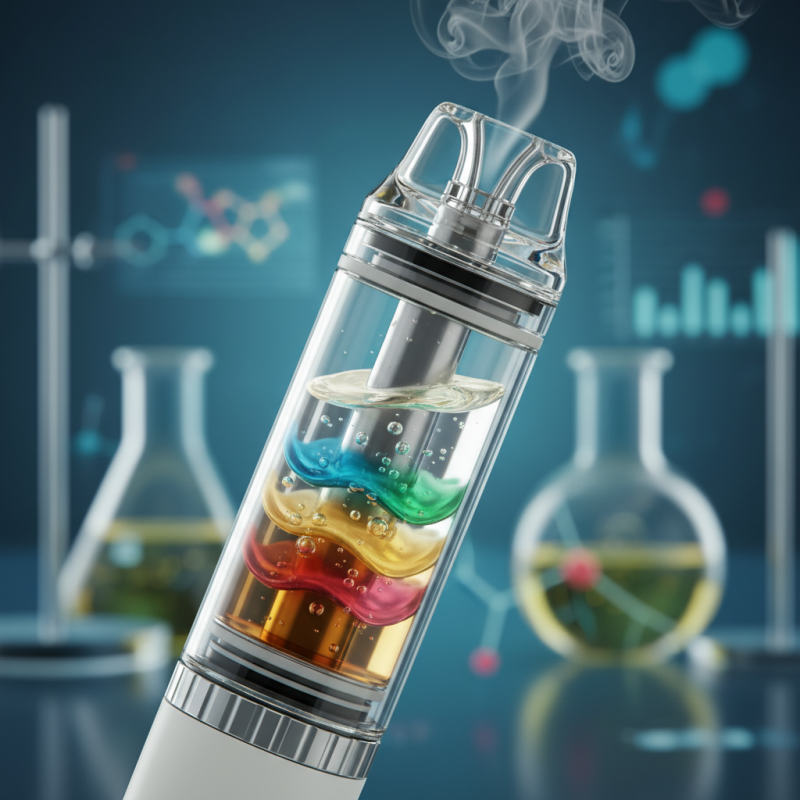
Disposable vapes are gaining popularity among users seeking convenience and portability. The core components of these devices contribute significantly to their usability and vaping experience.
Typically, disposable vapes consist of a battery, a heating element, and e-liquid. The battery is often a lithium-ion type, which plays a crucial role in providing power. These batteries generally have a capacity ranging from 280 to 1000 mAh, influencing the lifespan of the vape.
The e-liquid, which is a vital ingredient, typically includes propylene glycol (PG), vegetable glycerin (VG), flavorings, and nicotine. Reports indicate that PG and VG constitute about 90% of the e-liquid volume. While most users enjoy the flavors, there is an ongoing debate about the long-term safety of these substances. Independent studies are not conclusive, with some experts calling for more thorough research on flavoring agents, as their effects are not well understood.
Heating elements, often made from Kanthal or nickel-chrome wire, are critical in vaporizing the e-liquid. They can reach temperatures between 200 and 300 degrees Celsius, raising concerns about the production of harmful byproducts. Users often overlook the importance of quality control in these components. Variability in manufacturing standards may affect the safety profiles of disposable vapes currently available in the market. As consumers, individuals must stay informed and consider these aspects carefully.
: Disposable vapes primarily contain propylene glycol (PG) and vegetable glycerin (VG). These create vapor and carry flavoring.
Propylene glycol is odorless and tasteless. It helps produce vapor and provides a throat hit similar to smoking.
Vegetable glycerin is thicker and creates denser vapor clouds. The mix of PG and VG affects the overall vaping experience.
Flavors range from fruity to dessert-like options. Popular choices include mango and strawberry, appealing to many users.
Not all flavoring agents are safe. Some may contain harmful chemicals, raising concerns about health risks.
Nicotine salts provide a smoother inhale and allow for quicker absorption. Freebase nicotine offers a stronger throat hit.
High-quality nicotine can minimize unwanted aftertastes. Lower quality options may have additives that affect flavor.
Users should reflect on flavor, nicotine type, and ingredient safety. Balancing enjoyment with safety is vital.
Yes, there are concerns regarding ingredient safety. Users need to stay informed about the potential risks.
New users should educate themselves about ingredients and flavors. Preferences can greatly affect their overall experience.
Disposable vapes have gained immense popularity, prompting curiosity about what ingredients are in disposable vapes. These devices typically consist of several key components, including a battery, heating element, and e-liquid. The base ingredients often include propylene glycol and vegetable glycerin, which serve as the primary carriers for flavor and nicotine.
Flavoring agents play a significant role in creating the diverse range of taste experiences available to users, with both natural and synthetic options utilized. Additionally, nicotine variants can differ, providing options for users seeking different levels of satisfaction. However, it is essential to consider health implications when assessing the safety of these ingredients. Overall, understanding what ingredients are in disposable vapes is crucial for informed consumption and awareness of potential health effects.

 Nevra Vape