Is Selling Disposable Vapes Profitable for Global Buyers?

Time:2026-07-02 Author:Sophia
0%

In recent years, the market for disposable vapes has surged. Many buyers are eager to explore the question: is selling disposable vapes profitable? This inquiry is crucial for anyone considering entering this industry. Understanding the nuances of profitability in this sector requires an appreciation of current trends and consumer preferences.

Emphasizing the importance of quality is vital. Buyers should seek suppliers with solid reputations. Low-quality products may lead to customer dissatisfaction and returns. A focus on reliable manufacturers can enhance profit margins. Additionally, the costs associated with shipping and storage must be considered. Many underestimate the impact of these expenses on overall profits.

Market competition is fierce. Prices can fluctuate widely based on demand and supply. Potential sellers must analyze their local markets carefully. Strategies to stand out, such as unique flavors or branding, might be necessary. Reflecting on these aspects can provide valuable insights. Ultimately, understanding if selling disposable vapes is profitable requires a balanced view of risks and rewards.
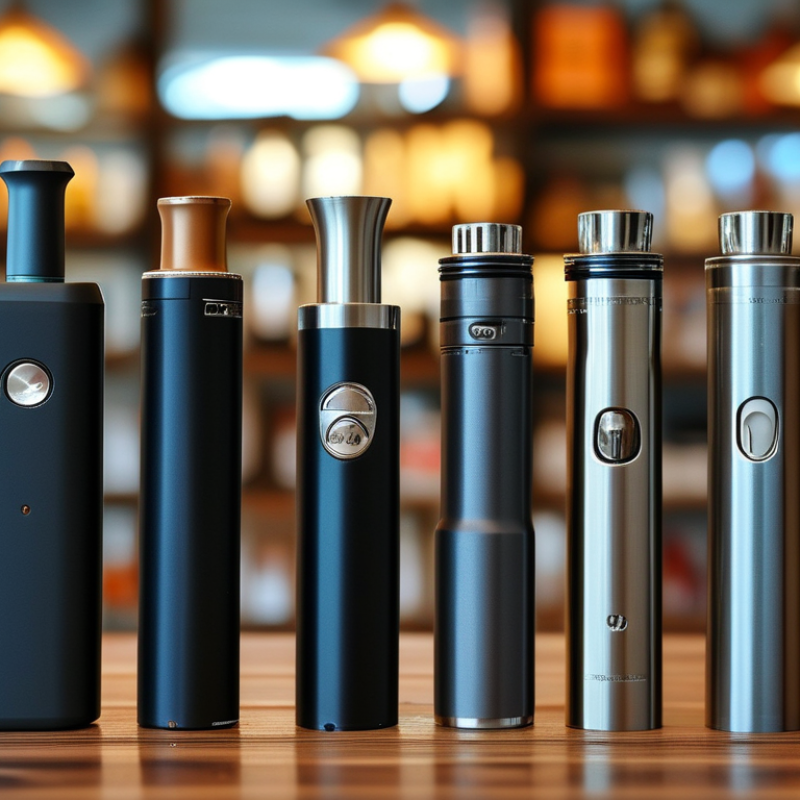
Is Selling Disposable Vapes Profitable for Global Buyers?

Market Demand for Disposable Vapes Worldwide

The market for disposable vapes has seen significant growth in recent years. According to a report by Grand View Research, the global disposable vape market is expected to reach USD 24.86 billion by 2028. This surge is largely driven by increasing consumer preference for convenience and the rise in disposable product usage. Many users find disposable vapes easier to use and carry compared to traditional options.

Statista data indicates that the number of disposable vape users worldwide grew by approximately 10% from 2021 to 2022. This trend highlights an expanding consumer base. New demographics are entering the market, including younger adults seeking alternatives to traditional smoking.

However, the industry faces challenges. Concerns about health effects and environmental impact are prevalent among consumers and regulators alike.

The market's growth presents opportunities but also risks. Profitability for global buyers hinges on navigating these complexities. Buyers must consider sourcing, pricing, and sustainability. A balance between profit and responsibility is essential. Understanding regional regulations and consumer preferences is critical for success in this evolving market.

Factors Influencing Profit Margins in Vape Sales

Profit margins in the disposable vape market can be quite volatile. Global buyers often face various challenges that influence their earnings. The production cost is a significant factor. Quality control must be maintained to attract customers and build trust. A lack of consistent quality can lead to dissatisfied buyers, impacting overall sales.

Market demand also plays a crucial role. Trends shift rapidly, and customer preferences can change overnight. Buyers must stay informed about new flavors and technologies. Attending trade shows or following industry leaders can provide insights into upcoming trends. Failing to adapt can result in lost sales and wasted inventory.

Lastly, competition affects profit margins. With many sellers flooding the market, pricing strategies must be carefully assessed. Some buyers might undercut prices to gain market share, which pressures others to follow suit. This can erode profits. Striking a balance between competitive pricing and maintaining quality is essential for long-term sustainability in this business.

Evaluating Supply Chain Efficiency for Disposable Vapes

The efficiency of the supply chain for disposable vapes is crucial for profitability. According to industry reports, the global vape market is expected to reach $56 billion by 2028, driven by rising demand. Efficient sourcing and distribution models significantly affect profit margins. Companies must consider logistics costs and supplier reliability.

Many manufacturers are shifting towards local sourcing to reduce lead times. Reports indicate that nearly 30% of vape retailers face supply chain disruptions. This bottleneck can lead to missed sales opportunities. Flexibility in partnerships with suppliers is essential for navigating these challenges. Additionally, emerging markets present new complexities, such as regulatory variations and consumer preferences, which can strain supply networks.

The importance of quality control cannot be overstated. In 2021, over 15% of disposable vapes failed quality testing in various regions. Such problems can lead to recalls and reputational damage. Buyers should prioritize suppliers with robust quality assurance processes to mitigate risks. As the market evolves, continuous assessment of supply chain strategies will be vital for staying competitive and profitable.

Regulatory Challenges Impacting Global Vape Sales

The vape market has seen rapid growth, yet regulatory challenges loom large. Variations in regulations impact global sales significantly. Countries enforce different rules on nicotine content and packaging. These disparities create confusion for buyers and sellers alike.

For instance, some regions require child-resistant packaging, while others do not. Compliance can be costly and time-consuming. Businesses must invest resources to stay updated. Ignoring regulations can lead to fines or product seizures. That can undermine profitability and brand reputation.

Navigating the legal landscape is complex. As regulations change, businesses must adapt quickly. This constant demand for adaptation can distract from core operations. Resources spent on compliance could otherwise boost sales or enhance product quality. Understanding regional laws is vital. Striking a balance between compliance and profitability is challenging but necessary for success.

Is Selling Disposable Vapes Profitable for Global Buyers? - Regulatory Challenges Impacting Global Vape Sales

Region Market Size (USD Billion) Growth Rate (%) Regulatory Challenges Profit Margin (%)
North America 5.2 12 High taxes, state regulations 30
Europe 4.8 10 Tobacco product laws 25
Asia-Pacific 7.9 15 Varying country regulations 35
Latin America 1.2 8 Import restrictions 15
Middle East 0.8 5 Strict import laws 20

Strategies for Effective Marketing of Disposable Vapes

The disposable vape market has been rapidly expanding, with a projected growth rate of 23.8% from 2021 to 2028. This statistic highlights the increasing demand among consumers seeking convenience and variety. For marketers, effective strategies are crucial in capturing this burgeoning audience.

Utilizing social media platforms can significantly enhance product visibility. Engaging content such as user testimonials and vape tutorials can create a robust online community. Additionally, data shows that 70% of Gen Z consumers are influenced by social media in their purchasing decisions. This demographic values authenticity, necessitating genuine interactions and transparent communication.

Offering personalized promotions can also lead to higher customer retention. Research indicates that 63% of consumers expect personalized experiences, which can be achieved through targeted campaigns. While this approach is effective, it presents challenges in data management and privacy concerns. Marketers must navigate these complexities to build trust while reaching their audience effectively.

FAQS

: What is driving the growth of the disposable vape market?

: Increasing consumer preference for convenience and easy-to-use products is driving market growth.

How much is the global disposable vape market expected to be worth by 2028?

The market is projected to reach USD 24.86 billion by 2028, showcasing significant growth.

Who are the new consumers entering the disposable vape market?

Younger adults seeking alternatives to traditional smoking are increasingly entering the market.

What challenges does the disposable vape industry face?

Health concerns and environmental impact are significant challenges for consumers and regulators.

Why is quality control important in vape sales?

Maintaining quality builds customer trust. Poor quality can lead to dissatisfied buyers and lost sales.

How do market trends affect disposable vape sales?

Trends can shift rapidly. Buyers must adapt to changing flavors and technologies to avoid inventory loss.

What role does competition play in disposable vape profit margins?

High competition forces sellers to assess pricing strategies carefully, impacting overall profits.

How can supply chain efficiency influence profitability in the vape market?

Effective sourcing and distribution reduce logistics costs. Disruptions can result in missed sales opportunities.

Why is local sourcing becoming popular among manufacturers?

Local sourcing reduces lead times and can enhance supply chain reliability and efficiency.

What risks are associated with poor quality control in disposable vapes?

Failing quality tests can lead to recalls and reputational damage, impacting long-term sustainability.

Conclusion

The article titled "Is Selling Disposable Vapes Profitable for Global Buyers?" delves into the burgeoning market demand for disposable vapes around the world, highlighting key factors that influence profitability in vape sales. It examines the impact of supply chain efficiency on profit margins, noting that streamlined logistics can significantly enhance a seller's bottom line. Additionally, the piece addresses regulatory challenges that affect global vape sales, emphasizing the need for compliance to avoid costly penalties.

Moreover, the article outlines effective marketing strategies tailored for disposable vapes, underscoring the importance of brand differentiation and consumer education in a crowded marketplace. Ultimately, the discussion provides valuable insights into whether selling disposable vapes is profitable, suggesting that while opportunities abound, navigating market dynamics and regulatory environments is crucial for success.

Sophia

Sophia

Sophia is a dedicated marketing professional with an exceptional depth of knowledge about her company's products and services. With a keen understanding of market trends and customer needs, she crafts insightful blog posts that not only inform but also engage readers, enriching the company’s online......