What Are the Risks of Using Disposable Vapes for Buyers?

Time:2026-09-03 Author:Mason
0%

The rise of disposable vapes raises critical questions about their safety. As consumers increasingly turn to these products, many wonder, "what are the risks of using disposable vapes?" A report by the National Institute on Drug Abuse indicates that about 30% of high school students in the U.S. had used a vape. This statistic reflects a troubling trend among youth.

Disposable vapes often contain high nicotine concentrations, leading to addiction. According to a study in the Journal of Tobacco Control, approximately 69% of disposable vape users reported using them daily. This frequent use can escalate health risks, including respiratory issues and cardiovascular effects. Furthermore, many disposable vapes lack adequate labeling, leaving users unaware of the specific ingredients and potential toxins involved.

The environmental impact is also concerning. Many disposable vapes end up in landfills, contributing to electronic waste. As we weigh the convenience of these products, it becomes essential to consider their broader implications on health and the environment. Understanding these risks is crucial for consumers seeking safer alternatives in the vaping market.
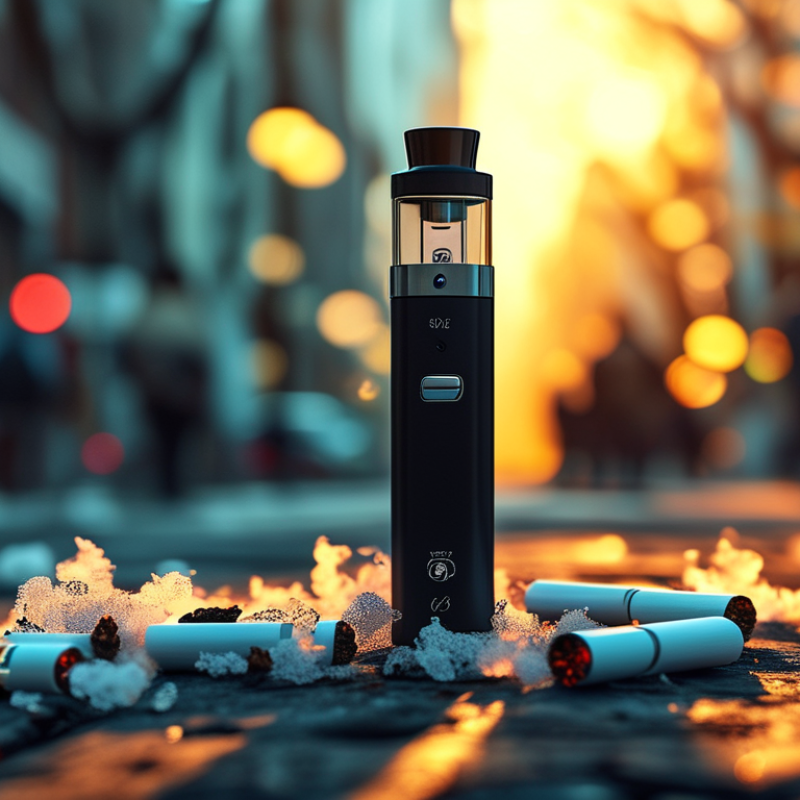
What Are the Risks of Using Disposable Vapes for Buyers?

Understanding Disposable Vapes: Overview and Popularity Trends

Disposable vapes have gained immense popularity in recent years. Their convenience and ease of use attract many buyers. These devices require no refilling or maintenance, making them ideal for those new to vaping. The compact size also makes them perfect for on-the-go users. However, while their appeal is undeniable, understanding their risks is crucial.

The trend of disposable vapes reflects a shift in consumer behavior. Many buyers enjoy the variety of flavors and the accessibility of these products. This trend often overlooks potential health implications. Users may not realize that disposable vapes can contain harmful substances. Additionally, the regulated nature of these products can vary widely by region. That often leaves buyers uninformed about what they inhale.

As more people turn to disposable vapes, it's essential to approach them with caution. Not all brands prioritize safety or quality. Some disposable vapes might have inconsistent nicotine levels. Users may experience unexpected effects. It's vital to remain aware and knowledgeable about what these products contain. Engaging with trusted sources can help mitigate risks while enjoying the convenience of vaping.

Health Risks Associated with Disposable Vapes: What Buyers Should Know

Disposable vapes have gained popularity, especially among young adults. However, the health risks associated with these products deserve careful consideration. According to the CDC, around 20% of high school students reported using e-cigarettes in 2022. This statistic highlights the urgent need for awareness regarding potential health impacts.

One major concern is the exposure to harmful chemicals. Many disposable vapes contain nicotine, which can lead to addiction. The American Lung Association reports that vaping can cause lung damage due to toxic substances, including formaldehyde and acrolein. These chemicals irritate lung tissues and can lead to respiratory problems over time.

Moreover, temperature fluctuations during use can produce harmful byproducts. This means that the risk of inhaling toxic substances may increase with each puff. While users often perceive disposable vapes as a safer alternative to traditional smoking, studies indicate otherwise. Research shows that they can contain metals and other dangerous elements. This information calls for a more critical approach from buyers regarding disposable vape use.

Environmental Impact of Disposable Vapes: Waste and Pollution Concerns

Disposable vapes have gained significant popularity, but their environmental impact raises serious concerns. Each year, millions of these devices end up in landfills, contributing to a growing waste problem. A report from the National Waste and Recycling Association indicates that electronic waste, including disposable vapes, is one of the fastest-growing waste streams. Given that vapes contain plastic, lithium batteries, and toxic chemicals, their disposal presents environmental hazards.

The batteries found in disposable vapes can leach harmful substances into the soil and water if not disposed of properly. The U.S. Environmental Protection Agency has noted that improper disposal of lithium-ion batteries can lead to soil contamination. In addition, it is estimated that only 10% of e-waste is recycled, leaving a staggering amount in landfills. This raises important questions about the responsibility of users and manufacturers in managing vape waste.

While manufacturers must adhere to regulations, enforcement remains a challenge. Many users may not consider the environmental implications when choosing disposable vapes over reusable options. The convenience of single-use devices often outweighs the long-term ecological consequences in consumers' minds. Education and awareness are essential in addressing this issue, yet the need for more significant reforms in waste management systems persists. There is an urgent need for sustainable solutions in the vape industry.

Regulatory Challenges and Legal Risks for Disposable Vape Users

Disposable vapes have surged in popularity among users seeking convenience and portability. However, the regulatory landscape surrounding these products is constantly evolving. Vaping regulations can vary widely by region. This inconsistency can lead to confusion for users who may unknowingly violate local laws. For example, some areas restrict flavors or specific ingredients. Not being aware of these restrictions can have legal consequences for buyers.

Legal risks extend beyond mere compliance with regulations. Users must also be cautious about where they purchase these devices. Many disposable vapes are sold through online platforms, which may not adhere to the same safety and quality standards as licensed retailers. This creates a potential risk of purchasing substandard products that could cause health issues. Additionally, the lack of regulation encourages a market where counterfeit products flourish.

Users should also consider the implications of their vaping habits on public health policies. Increasing scrutiny from health organizations amplifies the importance of understanding the risks. What seems like a harmless choice today could lead to increased restrictions tomorrow. It's wise for buyers to stay informed and to reflect on the broader impact of their vaping choices.

Alternatives to Disposable Vapes: Safer Choices for Consumers

Disposable vapes have gained popularity, but they come with significant risks. Many buyers choose them for convenience. However, these products often contain harmful substances. The long-term effects of inhaling these chemicals are still unclear. Users should consider safer alternatives to protect their health.

Reusable vape devices are a more sustainable option. They can reduce waste and often produce fewer harmful chemicals. Consumers can also explore nicotine alternatives like herbal vapor products. These options may offer a different experience without the same risks.

Education is crucial. Many users are unaware of the potential dangers. Reliable information can guide them toward safer choices. Taking time to research the available options can be beneficial. Reflecting on individual habits and seeking healthier alternatives shows responsibility. Venturing into the world of safer products may lead to positive changes.

FAQS

: What are the health risks of using disposable vapes?

: Disposable vapes expose users to harmful chemicals, including nicotine, which can lead to addiction and respiratory issues.

How do disposable vapes affect lung health?

They contain toxic substances that irritate lung tissues, potentially causing long-term respiratory problems when used regularly.

Are disposable vapes really safer than traditional cigarettes?

Many users think so, but studies indicate they may contain dangerous metals and chemicals, making them not necessarily safer.

What happens to disposable vapes after use?

Millions end up in landfills, contributing to electronic waste and posing significant environmental hazards.

Why are disposable vapes considered an environmental problem?

They contain plastic and lithium batteries that can contaminate soil and water if not disposed of properly, which is alarming.

How much e-waste is recycled from disposable vapes?

Only about 10% of e-waste, including vapes, is recycled. This is concerning given the volume generated each year.

What role do manufacturers play in vape waste management?

They must follow regulations, but enforcement is challenging, leaving users often unaware of their impact.

Do users consider environmental impacts when choosing vapes?

Many prioritize convenience over ecological consequences, which reflects a need for better education on vaping's impact.

How can we address the environmental issues associated with disposable vapes?

Sustainable solutions and reforms in waste management systems are urgently needed to help mitigate vape-related waste.

What can users do about the waste from disposable vapes?

Educating themselves about proper disposal and considering reusable options can help reduce their environmental footprint.

Conclusion

The article "What Are the Risks of Using Disposable Vapes for Buyers?" explores the growing popularity of disposable vapes while highlighting the potential dangers they pose to consumers. It delves into health risks, including the harmful effects of inhaling chemicals traditionally found in vape products, as well as the possible long-term consequences on respiratory health. Beyond health concerns, the environmental impact of disposable vapes is also significant, with issues related to waste and pollution becoming increasingly pressing as usage rises.

Additionally, the article addresses the regulatory challenges and potential legal risks that disposable vape users may face, emphasizing the need for awareness among consumers. Alternatives to disposable vapes are suggested, offering safer choices for those seeking to avoid the associated risks. Overall, understanding what are the risks of using disposable vapes is crucial for informed decision-making in this evolving landscape.

Mason

Mason

Mason is a seasoned marketing professional with a deep expertise in the company's offerings and a passion for driving brand awareness. With a strong background in digital marketing strategies, he has an innate ability to connect with diverse audiences and effectively communicate product benefits.......