Disposable vapes have surged in popularity, raising important health questions. Consumers often wonder, "are disposable vapes safe to use?" This concern is valid, given the lack of standardization in their production. Many users assume these products are harmless, but the truth is more complex.
The vaping market is flooded with options, and oversight can be lax. Ingredients in disposable vapes can vary widely. Some may contain harmful substances that impact health. The ease of access appeals to many, especially younger demographics. However, the long-term effects of these products remain largely unknown.
It's essential to consider the potential risks involved. While some users report a satisfying experience, others face health issues. Exploring this topic requires a balanced view of both benefits and drawbacks. Proper information can help consumers make informed choices about their health. Awareness and education are vital in navigating the vaping landscape.
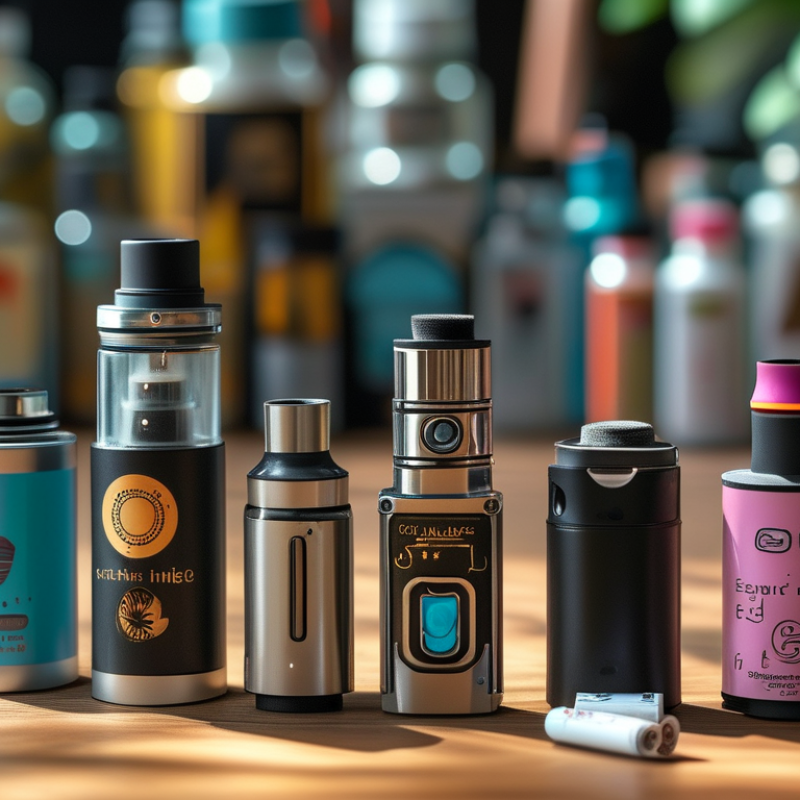
Disposable vapes are gaining popularity as an alternative to traditional smoking. These devices are compact and easy to use. They contain a battery, a heating element, and a pre-filled liquid. When the user inhales, the liquid vaporizes, providing an inhalable mist. This process allows for a quick and simple experience without the complexities of refills or maintenance.
It’s important to recognize some potential downsides. Disposable vapes often contain nicotine, which can be addictive. Some users may underestimate the amount of nicotine consumed in a single session. Additionally, the ingredients in the e-liquid can vary widely. Some flavors are enticing, but they may include unknown chemicals.
**Tips:** If you're considering disposable vapes, research the ingredients first. Look for products with transparent labeling. Be mindful of your nicotine consumption. Start with lower levels to gauge your tolerance. Keeping track of your usage can help prevent dependence and enhance awareness of your vaping habits.
Disposable vapes have surged in popularity. However, the ingredients used in these products raise significant health concerns. Many disposable vapes contain nicotine, which is highly addictive. In addition, they often include various flavoring agents and chemicals that could pose health risks.
Some ingredients, like diacetyl, are linked to serious lung diseases. Users might not realize these risks. The liquids in vapes can also contain harmful heavy metals from the heating elements. These substances can seep into the vapor, impacting health over time.
Tips: Always check ingredient lists when purchasing disposable vapes. Look for those that prioritize natural and safe components. Limiting how often you use disposable vapes may also reduce health risks.
Be mindful of how your body reacts. If you experience coughing, headaches, or other symptoms, it may be time to rethink your choices. Reflecting on your usage can lead to better decisions about your health.
Disposable vapes have gained popularity rapidly. Many users see them as a safer alternative to traditional cigarettes. However, health implications remain uncertain. Studies show that while vapes contain fewer toxic substances than cigarettes, they are not without risks. Ingredients like nicotine and added flavorings may pose health concerns.
In contrast, traditional cigarettes release tar and myriad harmful chemicals when burned. These substances contribute to serious diseases, including cancer and respiratory issues. Vaping does not produce the same harmful byproducts. Nonetheless, the long-term effects of vaping are still being researched. Users should reflect on their choices.
Both options have downsides. While disposable vapes may seem less harmful, they are not risk-free. Making informed decisions is crucial. Look into your local regulations and guidelines. Understanding the potential consequences can help users choose wisely. Health should always be the priority.
Disposable vapes have gained popularity, yet their safety raises concerns. Regulations vary across regions, affecting product safety. In 2020, the CDC reported that nearly 2,000 cases of lung injuries were linked to vaping. Many disposable vapes do not meet stringent manufacturing standards, leading to potential health risks. Toxic substances can be found in some products, including heavy metals and chemicals.
To ensure safer use, check for third-party testing. Reliable vapes often provide lab results to confirm the absence of harmful chemicals. Moreover, understanding local regulations can help consumers select compliant products. The World Health Organization encourages adherence to safety guidelines for electronic cigarettes.
Tips: Always purchase from reputable sources. Look for ingredients lists and transparent manufacturing processes. Consider starting with lower nicotine levels to reduce dependence. A careful approach can help mitigate health risks associated with disposable vapes.
Public health experts have raised concerns about disposable vapes. These products are often marketed as safer alternatives to traditional cigarettes. However, their long-term health effects remain unclear. Many users believe that disposable vapes pose fewer risks. Yet, studies indicate potential dangers to lung health and overall well-being.
Research shows that disposable vapes contain various chemicals. Some of these substances may have harmful effects when inhaled. The convenience of these devices can lead to increased usage, especially among young people. Health organizations express worries about the rise in vaping among adolescents. This trend suggests a need for greater awareness and education on potential risks.
While some users report satisfaction with their vaping experience, many health officials urge caution. The appeal of flavor options can attract new users, often without understanding health implications. Ongoing research is crucial to fully assess the impact of disposable vapes. Balancing personal choice with public health needs remains a pressing challenge.
: Disposable vapes are compact devices that vaporize liquid for inhalation. They contain a battery, heating element, and pre-filled liquid.
When inhaled, the e-liquid vaporizes, creating a mist. This process is quick and straightforward, with no need for refills.
Yes, they often contain nicotine, which is addictive. Users may underestimate their nicotine intake during sessions.
Ingredient quality can vary greatly. Some appealing flavors may contain unknown chemicals that could be harmful.
Start with lower nicotine levels to gauge your tolerance. Keep track of your usage to avoid developing dependence.
Experts are concerned about the unclear long-term health effects. They warn of potential dangers to lung health.
The convenience and appealing flavors attract young users. This trend highlights the need for more education on vaping risks.
Yes, but many health officials stress caution. The perception of safety may lead to increased use among unsuspecting users.
Yes, ongoing research is crucial. It aims to fully assess the health impacts of disposable vapes on users' well-being.
The article "Are Disposable Vapes Safe for Your Health and Usage?" delves into the intricate details surrounding disposable vapes, exploring their mechanics and the ingredients that raise potential health concerns. It highlights the differences between disposable vapes and traditional cigarettes, emphasizing health implications from both perspectives. The discussion includes regulatory frameworks and safety standards that govern these products, shedding light on their development and market presence.
Ultimately, the article addresses the crucial question: are disposable vapes safe to use? It underscores the importance of ongoing research and public health opinions that reflect the complexities of vaping, advocating for informed choices among users, while acknowledging the need for more robust regulation to ensure consumer safety.

Nevra Vape