Starting a vape business in 2026 can be promising. Many entrepreneurs are curious about how to start a vape business. The industry has evolved significantly, presenting both opportunities and challenges.
In recent years, consumer preferences have shifted. This means understanding your target market is crucial. A successful vape business requires more than just appealing products. You need a solid plan and market insights. This will help you navigate regulatory landscapes and consumer trends effectively.
Emphasizing innovation is key. The vape market is competitive and fast-paced. Staying updated with trends can help you stand out. However, there are pitfalls to avoid. Many newcomers underestimate the importance of quality and safety. A strong foundation built on reliable practices will set you apart. As you embark on this journey, it’s essential to learn from both successes and mistakes.
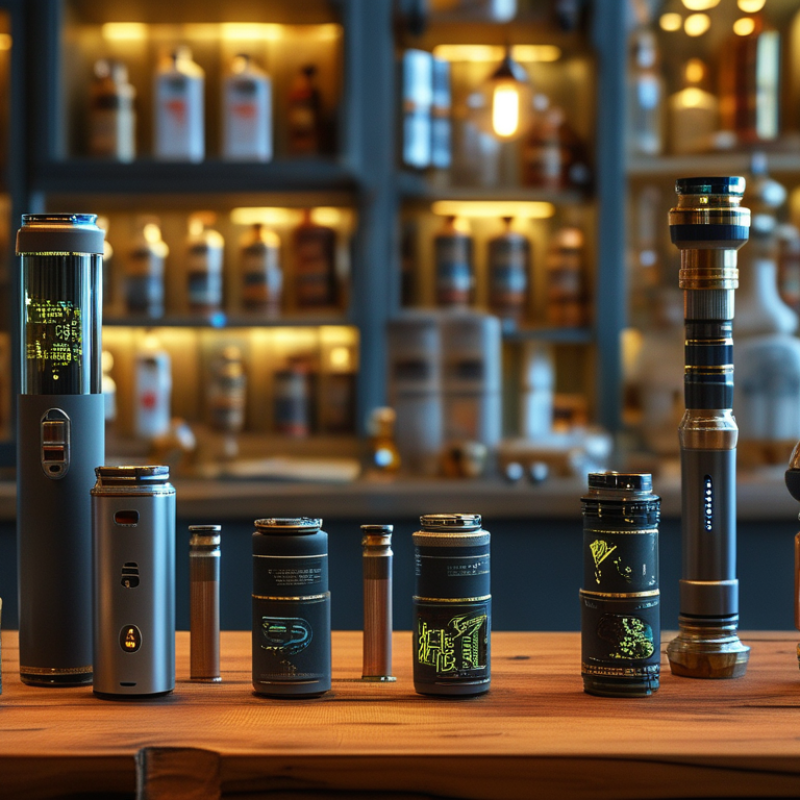
The vape market in 2026 is shaping up to be dynamic and complex. According to a recent market analysis, the global vaping industry is projected to reach approximately $50 billion by 2026. This impressive growth is driven by shifting consumer preferences and innovations in vaping technology. With health and wellness trends on the rise, consumers are increasingly seeking alternatives to traditional tobacco products.
Data shows that over 40% of adult vapers are motivated by flavor variety and customization. This trend indicates a strong demand for unique vaping experiences. Entrepreneurs should focus on offering diverse flavors and personalized products to meet evolving consumer needs. Yet, challenges exist. Regulatory pressures and public opinions on vaping are changing. Companies must navigate these landscapes carefully to maintain compliance and credibility.
Emerging market segments, such as disposable vapes, are also making waves. The convenience factor appeals to younger consumers, who often prioritize ease of use. However, reliance on disposable products raises sustainability concerns. Balancing convenience with responsible practices is crucial for brands aiming to build a long-lasting reputation in this competitive market.
Identifying your target audience is crucial in the vaping industry. In 2025, the vaping market reached $22.44 billion, projected to grow by 25% annually. Understanding who purchases vape products helps tailor marketing strategies effectively.
The majority of vape users are adults aged 18 to 34 years. Around 60% of this demographic cites flavor variety as their primary reason for vaping. Many prefer fruity or dessert-like flavors. However, there is a growing interest among older users, particularly those aged 35-50. This group typically values product quality and health aspects more than younger users.
Moreover, a recent survey showed that 40% of vapers use devices to quit smoking traditional cigarettes. This presents a unique angle for your marketing efforts. Highlighting health benefits could attract this audience. However, industry regulations can impact appeal. The challenge lies in balancing marketing strategies while remaining compliant with legal standards.
Securing regulatory compliance is crucial for starting a successful vape business in 2026. The vaping industry is under increased scrutiny. According to the 2021 National Youth Tobacco Survey, 19.6% of high school students reported using e-cigarettes. This highlights the need for strict compliance to ensure safety and accountability.
Navigating legal requirements is complex. Each state has unique regulations, making it essential to stay informed. Data from the American Vaping Association indicates that fines for non-compliance can exceed $10,000. Regular audits and updates on local laws are vital to avoid these pitfalls. Engaging with legal experts may add costs but is less expensive than penalties.
Documentation is also essential. Proper labeling, age verification, and health disclosures are now mandatory. Many businesses overlook these details. As the market grows, the lack of compliance can lead to significant setbacks. Being proactive minimizes risks and fosters consumer trust. Take the time to invest in understanding and implementing regulations. It can set your business apart in a challenging landscape.
In today's competitive vape market, establishing a unique brand identity is crucial. Brands need to stand out among numerous competitors. This requires understanding your target audience well. Who are they? What do they value? Researching demographic preferences can guide product design and marketing strategies.
Differentiation strategies often involve innovative flavors or eco-friendly packaging. Consider creating a product line that emphasizes sustainability. This resonates with consumers increasingly aware of environmental issues. Additionally, storytelling is key. Share your brand’s journey and values through engaging narratives. Customers connect with stories, and this builds loyalty.
However, brands must reflect on their strategies. What works today may not work tomorrow. Regularly assess market trends and consumer feedback. Engage with your audience to gain insights. Authenticity and adaptability will ensure your brand thrives in the evolving landscape of the vape industry.
The vape industry is rapidly evolving. By 2026, it is projected to reach a market value of $38 billion globally. Effective marketing strategies will be crucial for newcomers to thrive. Leveraging digital channels is a key component of this. Social media platforms, for example, are invaluable. They allow businesses to connect with younger demographics who are increasingly interested in vape products.
Creating engaging content is vital. Videos and infographics can resonate more than text alone. Data shows that video content receives 1200% more shares than text and images combined. Influencer partnerships can amplify reach and credibility. Studies indicate that 49% of consumers depend on influencer recommendations. This creates an opportunity for vape businesses to connect meaningfully.
However, challenges abound. Many consumers are cautious due to health concerns and regulatory uncertainties. Transparency is paramount. Sharing information about product ingredients and sourcing can enhance trust. Regularly engaging with customers through interactive posts and Q&A sessions can also foster loyalty. Reflecting on feedback is essential. Continuous improvement in marketing strategies will be necessary to navigate this dynamic marketplace.
| Marketing Strategy | Channel Type | Target Audience | Estimated Budget (USD) | Expected ROI (%) |
|---|---|---|---|---|
| Social Media Advertising | Digital | 18-35 years old | 5000 | 150 |
| Influencer Collaborations | Digital | Millennials | 8000 | 200 |
| Email Marketing | Digital | Existing Customers | 3000 | 180 |
| Content Marketing | Digital | New Users | 4000 | 170 |
| SEO Optimization | Digital | All Ages | 6000 | 220 |
: The global vape market is projected to reach approximately $50 billion by 2026.
Over 40% of adult vapers are motivated by flavor variety and customization.
Each state has unique regulations, making compliance complex and essential for success.
Regular audits, understanding local laws, and engaging legal experts are crucial for compliance.
Proper labeling, age verification, and health disclosures are essential for consumer trust and compliance.
Leveraging digital channels and creating engaging video content are key for reaching younger audiences.
Transparency about product ingredients and sourcing can enhance consumer trust significantly.
Influencer partnerships can amplify brand reach and credibility, with many consumers relying on their recommendations.
The convenience of disposable vapes raises sustainability concerns that need addressing.
Reflecting on feedback is essential for continuous improvement and adapting marketing strategies effectively.
Starting a successful vape business in 2026 requires a comprehensive understanding of the evolving vape market landscape. To effectively navigate this industry, it is crucial to identify key trends and data that shape consumer preferences. Understanding your target audience’s demographics and preferences will help tailor your products and marketing efforts to meet their needs.
Securing regulatory compliance is another vital step as it ensures your business operates within legal requirements. Establishing a unique brand identity through differentiation strategies can enhance market visibility. Finally, leveraging effective marketing strategies, especially digital channels, will allow you to engage with customers and build a loyal client base. By following these steps, entrepreneurs can learn how to start a vape business that stands out in a competitive environment.

Nevra Vape