Are disposable vapes bad for the environment? The question begins with a small device and ends with a complicated waste problem. A single vape can contain a lithium battery, electronic components, metal, and plastic. When discarded in a household bin or left on a pavement, these materials may be difficult to recover. Batteries can also create fire risks in waste and recycling facilities. That is easy to overlook.
Scott Butler, executive director of the UK recycling organization Material Focus, has emphasized a practical principle: “Vapes are electricals and should be recycled.” His organization’s work highlights why collection and proper recycling matter: these devices contain materials that may be recovered, but only when they reach suitable recycling systems. The environmental cost is not limited to litter. Making and transporting disposable products also uses resources, while mixed materials can complicate processing. The exact impact varies with product design, disposal habits, and local recycling access, so broad claims should be treated carefully.
This article examines the full footprint, from raw materials and manufacturing to litter, battery waste, and end-of-life handling. It also considers what consumers, retailers, and manufacturers can realistically do to reduce harm. There is no neat answer. Recycling helps, but it does not erase the resources used to make a product designed for brief use. That tension deserves a closer look.
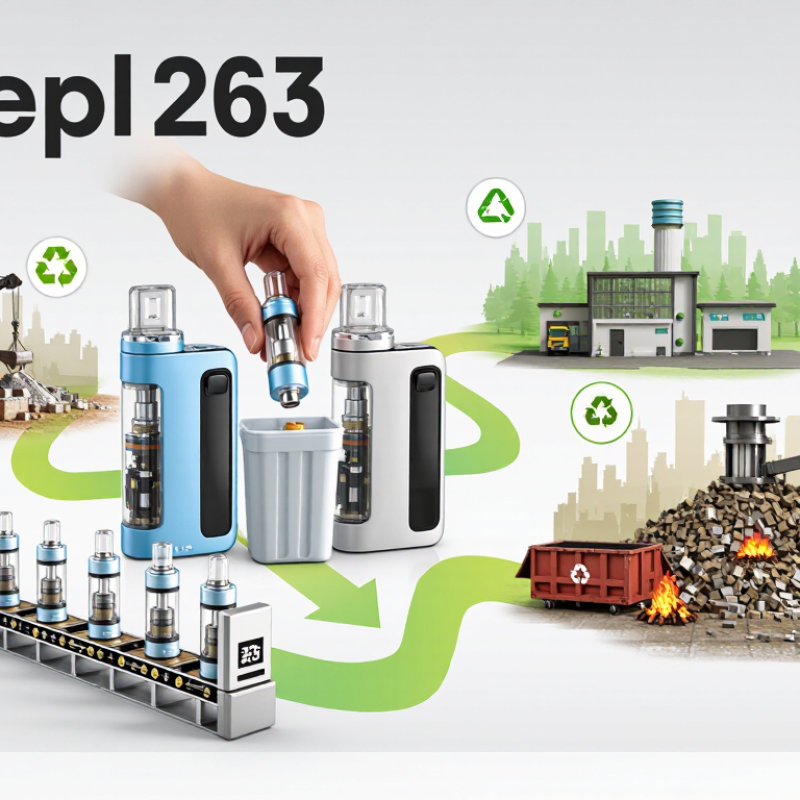
Disposable vapes are small, but their environmental footprint is not. A typical device combines a lithium-ion battery, a plastic casing, metal contacts, and electronic parts. These materials are difficult to separate by hand. When a device is thrown into household rubbish, its battery may be crushed during collection or processing. Damaged batteries can cause fires, while discarded cells may release harmful substances.
The battery also carries impacts from mining and manufacturing. Lithium extraction can put pressure on local water supplies, depending on the method and location. Some battery chemistries use metals such as cobalt or nickel; others use different materials. So, it is misleading to assume every device contains the same metals. Still, recovering valuable materials is hard when batteries remain sealed inside small plastic shells.
Small parts. Complicated waste.
The casing creates another problem. Many disposable devices use plastics that are not readily recyclable, especially when joined to metal, adhesive, and electronic components. Even where collection points accept batteries or electronics, users may not know where to take a whole device. Better labeling and accessible take-back systems could help, but they do not erase the resources already used. And honestly, the tiny size makes the waste easy to overlook; that is part of the problem.
A typical device contains a lithium-ion battery, plastic casing, metal contacts, and electronic parts. Small parts. Complicated waste.
Batteries and electronics are often sealed inside small plastic shells. Adhesives and joined materials make separation harder.
Its battery may be crushed during collection or processing. Damaged batteries can create fire risks and may release harmful substances.
Material Focus reported nearly five million weekly. That is roughly eight devices every second, day and night.
No. It counts discarded devices, not their final destination. Some may enter suitable collection and recycling routes.
No. Some battery chemistries use cobalt or nickel, while others use different materials. The exact contents can vary.
Mining and manufacturing use resources. Lithium extraction can pressure local water supplies, depending on the method and location.
Clearer labels and accessible take-back points could improve collection. Reusable alternatives can mean fewer whole devices discarded, though convenience still often wins. That deserves reflection.
Disposable vapes have an environmental cost that begins before they are thrown away. Their design combines lithium-ion batteries, plastic casings and metals that require energy and resources to extract. Manufacturing and transporting these components add further impacts, including greenhouse gas emissions. So, are disposable vapes bad for the environment? Their short period of use, followed by disposal of a device containing several different materials, makes them a significant source of avoidable waste.
The scale of the problem is substantial: Material Focus estimated that nearly five million disposable vapes were discarded each week in the UK in 2023. If thrown away carelessly, batteries can contribute to fires, while damaged devices may release chemicals; plastic parts can persist as litter and pollution. Better collection and recycling can help recover materials and keep batteries out of general waste. Clear disposal guidance, accessible collection points and producer responsibility are important steps toward reducing the harm.

 Nevra Vape