Choosing among disposable vape types can feel like comparing identical devices on a crowded shelf. They may differ in nicotine strength, flavor range, airflow, battery capacity, and design. Some are compact and discreet, while others provide longer use but feel heavier in the hand. This guide examines ten common types through practical features, not flashy packaging alone. It considers mouth-to-lung and looser airflow styles, rechargeable disposables, nicotine-free options, flavor profiles, and estimated puff counts. Product labels, manufacturer specifications, and current guidance from recognized public-health authorities should support every comparison.
The real question is how to choose the right disposable vape for your needs, if vaping is legally available and appropriate for you. Adults should check local age requirements, product restrictions, ingredient information, and recycling instructions before buying. Non-smokers, minors, pregnant people, and anyone sensitive to nicotine should avoid these products. A higher puff count does not automatically mean better value. Battery performance may vary with usage, temperature, and storage. Flavor descriptions can also disappoint; “ice” may feel sharp, while fruit blends may taste unusually sweet. Small details matter.
There is no perfect choice.
A careful review should mention uncertainty instead of hiding it. Independent testing may be limited, and user experiences can differ widely. Look for sealed packaging, clear labeling, batch information, and reputable sellers. Avoid damaged, leaking, or modified devices. Responsible selection means balancing personal preferences with safety information, legal compliance, and environmental concerns. This overview aims to make that decision clearer, while recognizing that convenience should never replace informed judgment.
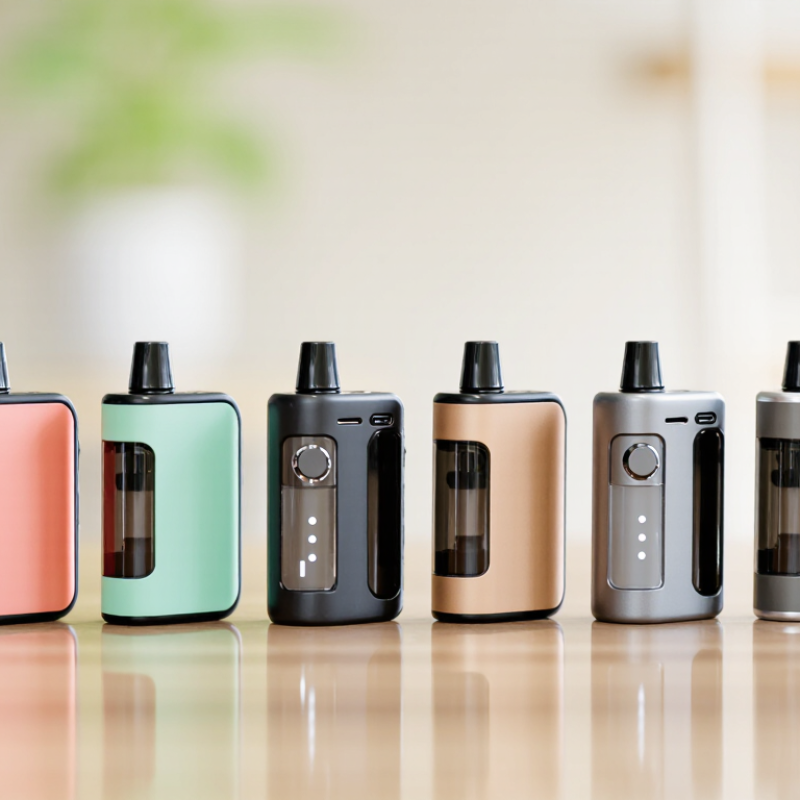
Disposable vapes can be classified by design and function, not only by appearance. The compact pod type is light and pocket-friendly, while the high-capacity type is larger and designed for longer use. Rechargeable disposables include a charging port, although the device remains disposable after its liquid runs out. Draw-activated models work when the user inhales. Button-activated models offer more control, but they require careful handling.
Coil design also changes the experience. Mesh-coil disposables heat liquid evenly and often produce a smoother draw. Dual-mesh models can create denser vapor and may use liquid faster. Adjustable-airflow types include a small slider, allowing a tighter or more open inhale. Some devices use a fixed airflow, which keeps operation simple but offers less flexibility. Nicotine-free disposables are another category for adults who prefer vapor without nicotine, where legally available.
Choosing among the ten types depends on practical details. Check the labeled liquid volume, nicotine strength, battery information, and intended puff estimate. Puff counts are estimates, not guarantees. I have found that airflow comfort matters more than flashy design during daily use. Still, personal preference can change after several days. A compact device may feel convenient, yet its smaller battery can become frustrating. Confirm local age requirements and disposal rules before purchase. Use only products legally sold in your region. Stop using any device that leaks, overheats, tastes burnt, or shows physical damage.
| Disposable Vape Type | Primary Design | Typical Function | Nicotine Format | Best Suited For | Main Advantages | Important Limitations |
|---|---|---|---|---|---|---|
| 1. Compact Low-Puff Disposable | Small integrated battery and a relatively low e-liquid capacity, usually with a narrow mouthpiece. | Provides a simple mouth-to-lung experience with a modest vapor output. | Most commonly available with nicotine salts; strength varies by market and local regulation. | Users seeking portability, short-term use, or a discreet form factor. | Lightweight, easy to carry, and generally less expensive per device. | Shorter operating life and less battery or e-liquid reserve than larger formats. |
| 2. High-Capacity Extended-Use Disposable | Larger body with increased e-liquid capacity and a higher-capacity built-in battery. | Designed to provide more puffs before the device is depleted. | Usually offered in nicotine-salt formulations, with permitted concentrations depending on jurisdiction. | Users who prefer fewer replacements during travel or daily use. | Longer service life and fewer discarded units for the same period of use. | Bulkier, heavier, and potentially more waste-intensive if not collected through an appropriate recycling program. |
| 3. Rechargeable Disposable | Includes a rechargeable battery and charging port but remains prefilled and non-refillable. | Charging restores battery power while the original e-liquid remains available; the device is discarded when liquid is exhausted. | Commonly uses nicotine salts, although nicotine-free versions also exist. | Users who may need more battery endurance than a single-charge device provides. | Reduces the chance of unused e-liquid remaining when the battery is depleted first. | Rechargeable does not mean refillable; charging should follow the manufacturer’s instructions and should not be done with damaged devices. |
| 4. Mesh-Coil Disposable | Uses a mesh heating element rather than a traditional round wire coil. | Heats e-liquid across a larger surface area, often producing consistent vapor and flavor. | Available with both nicotine salts and freebase nicotine, depending on the product and market. | Users prioritizing flavor clarity and a smoother, more even draw. | Fast heating, consistent vaporization, and efficient use of the coil surface. | Performance depends on adequate e-liquid saturation; dry or burnt tastes indicate that the device should not be continued. |
| 5. Dual-Mesh or Multi-Mesh Disposable | Uses two or more mesh heating sections within one integrated pod or chamber. | Can increase vapor production and support a warmer, more intense draw. | Often paired with nicotine salts or lower-strength formulations; availability varies by region. | Experienced adult users who prefer a fuller vapor experience. | High vapor potential and broad heating coverage. | Usually consumes e-liquid and battery power more quickly and may feel too strong for first-time users. |
| 6. Adjustable-Airflow Disposable | Features a slider, dial, or movable airflow opening that changes the air-to-vapor ratio. | Allows a tighter mouth-to-lung draw or a more open, airier draw, within the device’s design limits. | Nicotine strength and liquid type vary; airflow adjustment does not change the nicotine concentration. | Users who want to fine-tune draw resistance and vapor temperature. | More flexibility than fixed-airflow models and better personal control of the draw. | More moving parts can increase the chance of accidental adjustment or airflow blockage. |
| 7. Draw-Activated Disposable | Uses an internal pressure sensor and has no external firing button. | The device activates automatically when the user inhales through the mouthpiece. | Commonly uses nicotine salts in prefilled, non-refillable cartridges. | Users who want the simplest operation with minimal controls. | Button-free operation, compact construction, and low learning curve. | May activate unintentionally if the sensor is exposed to liquid, strong airflow, or improper storage. |
| 8. Button-Activated Disposable | Includes a manual activation button, although this design is less common than draw activation. | The heating element operates only while the button is pressed, subject to built-in safety cutoffs. | May be sold with nicotine salt, freebase nicotine, or nicotine-free liquid, depending on local rules. | Users who prefer direct control over when the device fires. | Can reduce accidental activation and may offer a more deliberate draw. | Requires correct button operation; the button should not be held down in a pocket or bag. |
| 9. Nicotine-Salt Disposable | Uses benzoic-acid-based or similar nicotine-salt chemistry formulated for a smoother inhalation at higher nicotine concentrations. | Delivers nicotine with relatively low throat irritation compared with some higher-strength freebase formulations. | Nicotine salt; exact concentration must be checked on the packaging and against local legal limits. | Adult smokers seeking a compact nicotine delivery format, subject to applicable laws. | Smooth draw and efficient nicotine delivery in a small device. | Higher nicotine levels can increase dependence risk; not suitable for minors, pregnant people, or non-smokers. |
| 10. Zero-Nicotine Disposable | Uses the same general battery, heating, and prefilled-liquid architecture but contains no intentionally added nicotine. | Produces flavored aerosol without nicotine delivery; actual contents should be verified on the label. | Nicotine-free liquid, although labeling accuracy and regulatory requirements vary by market. | Adults who want flavor or vapor without intentionally consuming nicotine. | Avoids deliberate nicotine intake when the product is accurately labeled. | It is not risk-free: inhaled aerosol can contain irritants, and product quality varies. It may also maintain behavioral dependence on vaping. |
Selection note: These categories can overlap; for example, one device may be rechargeable, mesh-coil, draw-activated, and nicotine-salt at the same time. Always check local regulations, nicotine labeling, battery instructions, and disposal requirements. Disposable vapes are intended for adults who already use nicotine, not for minors, non-smokers, or pregnant people.
Common types include compact pod, high-capacity, rechargeable, button-activated, and draw-activated models. Coil and airflow designs create more categories. No design is perfect.
Compact devices are lighter and easier to carry. Their smaller batteries may require earlier replacement. High-capacity models are larger and designed for longer use. That extra size can become inconvenient.
They include a charging port for the battery. However, the device remains disposable after its liquid runs out. Check charging instructions carefully. Never use a damaged device.
Draw-activated models work when you inhale. Button-activated models provide more control over operation. They require careful handling to prevent accidental activation. Simple can be safer.
Mesh coils heat liquid more evenly and may create a smoother draw. Dual-mesh designs can produce denser vapor. They may also consume liquid faster. Results vary with puff length and airflow.
Freebase nicotine may feel sharper at higher strengths. Nicotine salts often feel smoother at similar conditions. Synthetic nicotine is chemically similar to tobacco-derived nicotine. Its source does not prove greater safety. Check concentration, ingredients, batch details, and packaging.
Read nicotine concentration in milligrams per milliliter, or mg/mL. Higher strength may increase exposure and feel harsher. Puff counts are estimates, not promises. Longer draws can reduce the actual number. I once treated puff claims too literally.
Confirm local age requirements and legal availability. Inspect the device for leaks, loose parts, unusual heat, or physical damage. Stop using it if it tastes burnt or overheats. Keep nicotine products away from children. Secure storage matters.
Follow local disposal instructions for devices containing lithium batteries. Do not place them in ordinary household waste. The liquid and battery both need responsible handling. Rules differ by location. Check before disposal.
Choosing the right disposable vape starts with understanding how different designs and functions affect the experience. This guide classifies ten common types, including compact pods, slim bars, high-puff devices, rechargeable models, and smart options with added features. It also explains nicotine formats, comparing salt nicotine, freebase nicotine, and synthetic nicotine in terms of throat feel, absorption, and typical use. By learning these differences, adult consumers can better understand which device format and nicotine option may suit their preferences.
To learn how to choose the right disposable vape, compare nicotine strength, battery capacity, stated puff estimates, charging features, and ingredient information rather than relying on appearance alone. Puff claims can vary according to usage, while battery performance may affect consistency and convenience. Safety should remain a priority: purchase only products permitted in your area, check current regulatory information such as the FDA’s authorized product listings in the United States, and avoid unverified or modified devices.

 Nevra Vape