Disposable vapes may look simple, but their storage needs more care than many users expect. A warm car, loose pocket, or damp bathroom can damage the battery, mouthpiece, or casing. Learning how to store disposable vapes properly helps reduce leaks, accidental activation, contamination, and avoidable battery stress. This guide presents ten practical tips based on manufacturer guidance and general battery-safety principles. It is intended for adults who can legally possess these products in their location. Always follow the product label, and stop using a device that is swollen, cracked, hot, wet, or leaking. Do not use damaged products. Keep them away from children, pets, direct sunlight, heaters, and anything that can crush the casing. A cool, dry, shaded drawer is usually safer than a windowsill or car console.
Small details matter. Keep each device upright when practical, with the mouthpiece covered and separated from keys, coins, and metal objects. Never leave a device charging unattended. If charging is permitted, use only the supplied cable and a suitable adapter. Avoid beds, sofas, and other surfaces that can trap heat. The ten tips also address travel, temperature changes, expiry, disposal, and what to do after a leak. Some advice may feel overly cautious. That is intentional. No storage method eliminates every risk, and real-world habits are often inconsistent. Checking the device once daily takes seconds and can reveal heat, odor, or damage early. When uncertain, do not test, open, refill, or repair it. Contact the manufacturer or local waste service for clear, lawful guidance.
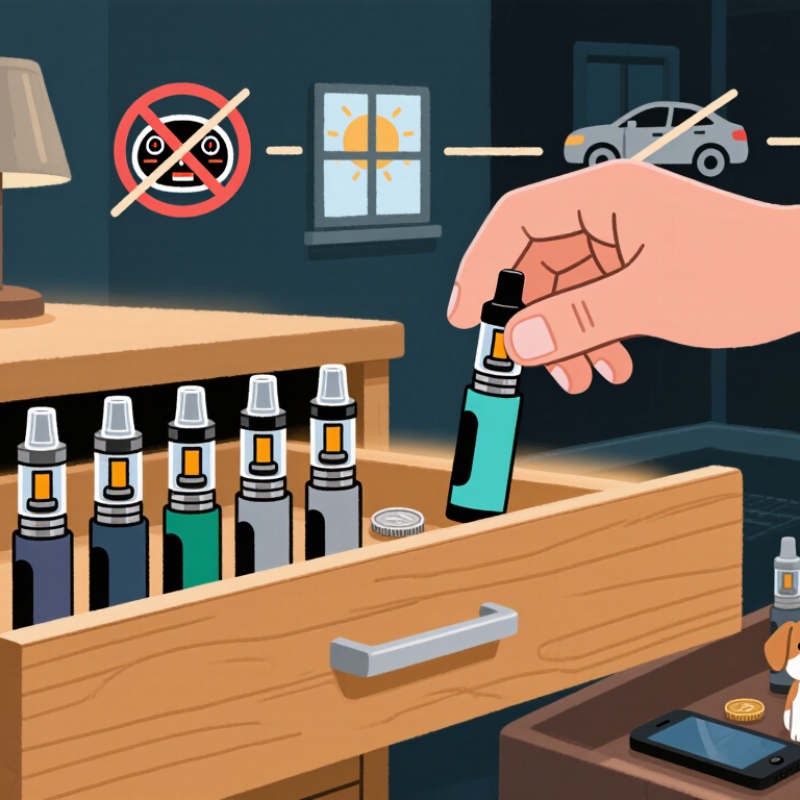
Top 10 Tips on How to Store Disposable Vapes Properly
Understanding Why Proper Disposable Vape Storage Matters
Proper storage protects the device, its liquid, and the people nearby. Disposable vapes contain batteries and liquid, so careless storage can create avoidable risks. Keep each device in a cool, dry place away from direct sunlight, heaters, and hot vehicles. Heat can affect battery performance and may cause leaking.
Keep the device upright when possible. Use its original packaging for extra protection, and avoid placing it under books or loose metal objects. Do not store it with keys, coins, or other items that could damage the casing. Keep it away from children and pets. A locked, dry cupboard works better than a busy kitchen drawer. Never open, modify, refill, or attempt to recharge a disposable device unless the manufacturer specifically permits it.
Before use, check for cracks, swelling, unusual heat, liquid leakage, or a damaged mouthpiece. Do not use a damaged device. Follow the package instructions and local disposal guidance, especially because batteries should not enter ordinary household waste in many areas. During transport, keep it protected and out of extreme temperatures.
Small details matter.
I once assumed a shaded windowsill was safe, but afternoon heat still reached it. That mistake changed my routine. Storage advice is not perfect for every home, so consider temperature, moisture, access, and the device’s condition each time.
A cool, dry, and stable location protects disposable vapes from common storage problems. Choose a shaded drawer or cabinet with steady room temperature. Keep devices away from windows, radiators, cars, and direct sunlight. Heat can affect the battery and may increase leakage risk.
Moisture matters too. Avoid bathrooms, damp basements, and kitchen counters near sinks. Do not store disposable vapes in a refrigerator or freezer. Temperature changes can create condensation inside the device. That detail is easy to miss. I once assumed colder storage was always safer, but that assumption was careless.
Keep each device in its original packaging when possible. Store it upright, away from keys, coins, chargers, and other metal objects. A stable surface is better than a loose pocket or crowded bag. Check the device occasionally for swelling, cracks, unusual heat, or liquid leakage. Do not use a damaged device. Place it somewhere isolated and follow local waste guidance. Keep storage areas inaccessible to children and pets. A locked cabinet works better than a high shelf alone. Even careful storage is not perfect, especially during travel or sudden weather changes.
A disposable vape should stay in a cool, dry place away from windows and heaters. Direct sunlight can raise its internal temperature quickly, even indoors. A shaded drawer or cupboard usually works better than a car, backpack pocket, or bathroom shelf. Keep the device upright when possible, with its mouthpiece covered and protected from dust. Avoid refrigerators and freezers, because condensation may form when the device returns to room temperature. It sounds careful, but small temperature changes still matter.
Moisture can affect the battery, airflow, and exterior materials. Do not store the device beside sinks, showers, humidifiers, or damp clothing. If the surface feels wet, wipe it with a clean, dry cloth and allow it to air-dry fully. Never use a damaged, leaking, swollen, unusually warm, or cracked device. Place it away from keys, coins, and other metal objects that could contact its electrical parts. Do not leave it loose in a crowded bag.
Storage also needs practical judgment. Keep disposable vapes inaccessible to children and pets, preferably in a secure, dry container. Follow the safety instructions supplied with the product, since designs and materials can differ. I once treated a warm car as “not too hot,” but that assumption was careless. A brief trip became several hours in direct heat. Check stored devices regularly, and dispose of damaged ones through suitable local battery or electronic waste services.
Top 10 Tips on How to Store Disposable Vapes Properly
Disposable vapes need a cool, dry, and stable storage place. Avoid direct sunlight, radiators, hot cars, and damp bathrooms. Heat can damage the battery and increase leakage risks. Store each device upright, with the mouthpiece facing upward. Keep it away from keys, coins, and other metal objects. These items may press the activation area or create unwanted electrical contact. A small fabric pouch can reduce movement and accidental pressure.
Tips: Keep devices away from children and pets. Do not leave one loose in a pocket or handbag. Check the device before use. Stop using it if the casing is swollen, cracked, unusually hot, leaking, or producing a strange smell. Never puncture, open, crush, or modify it. Do not recharge a disposable device unless its instructions clearly permit charging. Even then, use the correct cable and never charge it overnight or unattended.
Another practical mistake is storing a device under heavy items. Pressure may activate it silently, wasting liquid and heating the battery. If accidental activation occurs, move it away from flammable materials without touching hot surfaces. Let it cool in a safe, non-combustible area. A damaged device should not go into ordinary household trash. Follow local battery or electronic-waste guidance instead. No storage method removes every risk, and packaging instructions can be easy to overlook.
Preventing accidental activation, physical damage, and battery hazards
This chart groups ten practical storage recommendations by the primary hazard they address. The values represent the number of recommendations in each category, not reported accident statistics.
Key practices include keeping devices away from children and pets, avoiding heat and water, preventing contact with metal objects, inspecting for damage, and following local disposal requirements.
A stored disposable vape should be checked carefully before use, even if it looks untouched. Examine the body for cracks, dents, swelling, or liquid around the mouthpiece. Check the seal and airflow opening for dust, lint, or moisture. It should not smell unusually sweet, burnt, chemical, or metallic. Do not taste-test a suspicious device. Never use one that became hot during storage.
A cool, dry drawer is safer than a car, windowsill, bathroom, or pocket near a heater. Keep it away from children, pets, and direct sunlight.
Check the printed date, if available, and consider how long the device has been stored. E-liquid can change in colour, thickness, or smell. A weak draw, unexpected heat, leaking liquid, or a damaged mouthpiece is a clear warning.
Stop using it immediately. I have found that appearance can be misleading; a clean outer shell does not prove the internal battery is safe.
When uncertain, discard the vape through a local battery or electronic-waste collection service. Do not open, crush, puncture, burn, or place a damaged device in ordinary household waste.
Avoid using any disposable vape with an unknown history. Your storage routine may be careful, but it cannot reverse age, heat exposure, or physical damage.
Keep them in a cool, dry cabinet with steady room temperature. Avoid windows, heaters, hot vehicles, bathrooms, and damp counters. A locked cupboard is safer than a high shelf.
Heat can affect battery performance and increase leakage risks. Sunlight may warm a device quickly, even through glass. Shaded is not always cool.
Yes, store each device upright when possible, with the mouthpiece facing upward. This may help reduce movement and leakage. Keep it stable.
No. Avoid refrigerators and freezers because temperature changes may create condensation inside. I once assumed colder storage was safer. That assumption was careless.
Keep devices away from keys, coins, chargers, and loose metal objects. Do not place them under books or heavy items. A small fabric pouch can reduce movement.
Check for cracks, swelling, unusual heat, leakage, strange smells, or a damaged mouthpiece. Do not use a damaged device. Stop immediately.
Do not open, refill, puncture, crush, or modify it. Do not recharge it unless the instructions clearly permit charging. Never charge it overnight or unattended.
Keep them in a locked, dry cabinet that children and pets cannot access. Do not leave one in a pocket, handbag, or busy drawer. Access matters.
Move it away from flammable materials without touching hot surfaces. Let it cool in a safe, non-combustible area. Follow local battery or electronic-waste guidance instead of ordinary household disposal.
Proper storage is essential for preserving the quality and safety of disposable vapes. Learning how to store disposable vapes properly means keeping them in a cool, dry, and stable place away from direct sunlight, high temperatures, humidity, and sudden temperature changes. Avoid leaving them in cars, near heaters, or in bathrooms, as heat and moisture may affect the battery, liquid, and device materials. Store them upright when possible, and keep them out of reach of children and pets.
To prevent accidental activation or physical damage, do not place disposable vapes loosely with keys, coins, or other sharp objects. Check each device before use for leaks, cracks, swelling, unusual odors, or signs of overheating. If a vape appears damaged, has been exposed to extreme conditions, or performs abnormally, do not use it. Dispose of it responsibly according to local waste and battery-handling guidance.

Nevra Vape