Why Are Some Vapes Banned in Certain Places in 2026?

Time:2026-06-26 Author:Oliver
0%

In recent years, a significant shift has occurred in the vaping landscape. Many areas are enacting bans on certain vape products. This raises an important question: why are some vapes banned in certain places? Concerns surround health risks, youth access, and environmental impacts.

Health professionals argue that unregulated vape products can pose serious risks. Reports suggest that certain ingredients in vapes may harm lung health. Additionally, the increase in vaping among young people has alarmed parents and educators. Cities are responding by establishing age restrictions and outright bans on specific products.

There are also environmental considerations. Single-use vape devices contribute to electronic waste. This is troubling, as many places are striving to become more sustainable. These concerns prompt communities to reassess their policies around vaping. As the situation evolves, it's crucial to remain informed about these regulations. Understanding the reasons behind these bans can help shape future discussions on vaping and public health.
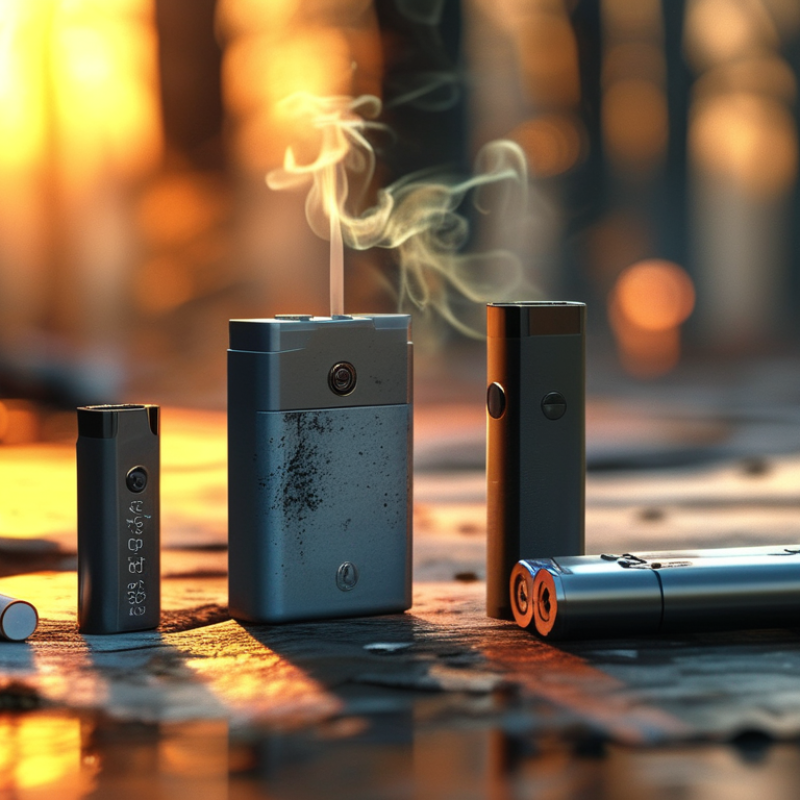
Why Are Some Vapes Banned in Certain Places in 2026?

The Rise of Health Concerns: Understanding Vaping Risks in 2026

The vape landscape in 2026 reveals significant health concerns. Many studies indicate potential risks associated with vaping. Various chemicals found in e-liquids raise alarms about respiratory issues and long-term effects. With rising awareness, local governments respond sharply.

Health officials express worries about nicotine addiction. Vaping can lead to increased dependency, especially among young people. Schools and communities are debating measures to limit access. This evolving narrative emphasizes the need for better regulation and public awareness.

Tips for safer choices include understanding ingredients. Always research reputable sources about vaping products. If you decide to vape, consider alternatives like nicotine-free options. Engaging in community discussions helps spread information on health risks. As vaping remains popular, awareness and education are essential for public health.

Regulatory Framework: How Governments Are Addressing Vape Safety

As vape products gain popularity, governments face challenges in ensuring public safety. Regulatory frameworks have been evolving to address these issues. Some regions are banning certain vapes that do not meet safety standards. These bans are often surprising to consumers who thought all products were safe.

One concern is the lack of comprehensive testing on some vape ingredients. Many vapes contain chemicals that may harm users. Without proper regulations, it’s difficult to ensure that all products meet health criteria. Governments are stepping in to create stricter guidelines for vape production. They aim to ensure that manufacturers are transparent about their ingredients and that products undergo rigorous safety assessments.

Public health organizations emphasize the need for clearer labeling and education. Many users may not fully understand the risks associated with vaping. Governments are starting to introduce campaigns that promote awareness. However, gaps remain, as not all consumers are reached by these initiatives. The effectiveness of these regulations relies on cooperation between government and manufacturers. Striking a balance between regulation and consumer choice continues to be a challenge that requires ongoing reflection.

Why Are Some Vapes Banned in Certain Places in 2026? - Regulatory Framework: How Governments Are Addressing Vape Safety

Region Regulation Type Key Reasons for Ban Enforcement Date Health Impact Consideration
California, USA Flavor Ban Youth attraction and health risks 2026-01-01 High
New Zealand Advertising Restrictions Preventing uptake among teens 2026-06-15 Moderate
Australia Sales Limitations Health concerns over unregulated products 2026-03-10 High
Canada Tax Increases Reducing consumption and funding public health 2026-05-01 Moderate
UK Public Indoor Ban Second-hand exposure concerns 2026-08-20 High

Youth Usage Statistics: The Impact of Vaping on Adolescents in 2026

In 2026, youth vaping statistics reveal a troubling trend. Many adolescents view vaping as less harmful than smoking traditional cigarettes. This perception leads to increased use among young people. Studies indicate that more than 30% of high school students have experimented with vaping. The colorful packaging and enticing flavors attract younger audiences.

Parents and educators need to address these misconceptions. Open discussions about the risks of vaping are essential. Encourage teens to consider the long-term effects on their health. This dialogue can help reduce the normalization of vaping in school settings.

Tips for parents include monitoring vaping trends. Stay informed about the latest devices and flavors appealing to youth. Create a supportive environment for open discussions. Encourage healthy activities that do not involve vaping. This proactive approach may help mitigate the influence of peer pressure and reduce youth vaping rates.

Youth Vaping Trends in 2026

Market Trends: Sales and Bans of Vapes in Different Regions

In 2026, the vape market reveals diverse sales trends and regulatory challenges across regions. Some areas experience significant growth, while others impose strict bans. The reasons for these differences can vary greatly. Cultural attitudes, health concerns, and local economic factors play crucial roles. Cities with high rates of youth vaping often enact stricter regulations to curb usage.

For instance, certain regions have seen a rise in e-cigarettes among young adults. This trend triggers local governments to act. They aim to protect public health and prevent addiction. Bans on flavored vapes frequently appear in places with rising youth usage. Yet, these decisions also spark debate. Some argue that bans push consumers to the black market, complicating public health efforts.

Moreover, consumer behavior influences market dynamics. In regions where vaping is promoted as a safer alternative, sales flourish. However, misinformation can create fear and lead to impulsive bans. A balanced approach, considering both health risks and personal freedoms, is essential. Ongoing discussions about safety and regulations shape the future of the vape market in unpredictable ways.

Public Opinion: Attitudes Toward Vaping and Its Regulation in 2026

In 2026, public opinion on vaping reflects a complex landscape. A recent survey by the Global Tobacco Control Center reveals that 63% of respondents support stricter regulations on vaping products. This indicates a growing concern over health risks and youth exposure. Many worry about the long-term effects of vaping, especially among teenagers. The data shows that vaping among adolescents increased by 15% from 2021 to 2026, prompting parents and educators to advocate for bans.

A significant portion of the population believes that vaping poses unknown risks. Nearly 70% of adults feel uneasy about the lack of robust regulations. Some studies indicate a potential link between vaping and respiratory issues. This has played a vital role in shaping public sentiment. While vaping is often marketed as a safer alternative to smoking, skepticism remains high. Experts suggest that more research is needed to fully understand vaping's health implications.

Community discussions emphasize the balance between personal choice and public health. Many fear that unrestricted access may lead to increased usage among youth. As such, policymakers are urged to consider public health data when forming regulations. In 2026, the challenge lies in addressing these concerns while acknowledging varied opinions on vaping.

FAQS

: What are the main regulatory challenges for vaping products?

: Governments are struggling to ensure vape safety and many products do not meet health standards.

Why are some vaping products banned?

Certain vapes fail to meet safety requirements, surprising many consumers who assumed all products were safe.

What is lacking in vape ingredient testing?

Comprehensive testing is often absent, making it hard to verify the safety of ingredients in vapes.

How are governments addressing vape safety?

Stricter guidelines are being created for production and ingredient transparency is prioritized.

What do public health organizations recommend?

Clear labeling and better education about vaping risks are needed for consumers.

Why do youth believe vaping is safer?

Many adolescents mistakenly see vaping as less harmful than traditional cigarettes, fueling its popularity.

How prevalent is vaping among high school students?

More than 30% of high school students have tried vaping, showing significant youth engagement.

What can parents do about youth vaping?

They should monitor trends, stay informed, and encourage open discussions about health risks.

What role do enticing flavors play in youth vaping?

Colorful packaging and appealing flavors attract younger users, increasing experimentation rates.

How can parents create a supportive environment?

Encourage healthy activities and conversations to combat peer pressure and reduce vaping normalization.

Conclusion

In 2026, the growing health concerns surrounding vaping have led to increased scrutiny and regulation of vape products. This has raised the critical question: why are some vapes banned in certain places? Health risks associated with vaping, especially regarding respiratory and cardiovascular issues, have prompted governments to implement stricter regulatory frameworks aimed at safeguarding public health.

Additionally, alarming youth usage statistics highlight the impact of vaping on adolescents, driving further calls for regulation. As various regions experience differing trends in vape sales and bans, public opinion has also evolved, with many advocating for more stringent control measures. This multifaceted approach reflects a broader societal shift towards prioritizing health and safety in relation to vaping practices.

Oliver

Oliver

Oliver is a seasoned marketing professional with a wealth of expertise in driving brand awareness and engagement. With a deep understanding of our company's product offerings, he consistently delivers high-quality content that enriches our professional blog. His insights not only shed light on......