Vape rules can differ sharply between neighboring markets. One city may allow a product under defined standards, while another restricts its sale or flavor range. These differences often reflect local decisions about product ingredients, manufacturing quality, labeling, advertising, and youth access. The details matter. A restriction may apply to one device type or sales channel, rather than every vape product.
So, why are some vapes banned in certain places? In many cases, regulators cite concerns about nicotine exposure, product safety, misleading claims, or the appeal of certain designs to young people. They may also require clear ingredient information, child-resistant packaging, or evidence that products meet applicable standards. The reasons and rules vary, and they can change as authorities review new evidence. A familiar-looking device is not necessarily treated the same way in every market.
For readers, the practical lesson is to check current guidance from official local health or regulatory agencies before buying or carrying a product. Retailer descriptions and social media posts may be incomplete or outdated. It is also worth separating established findings from unresolved questions: research on long-term effects continues, and policy choices do not always map neatly onto one study. That can be frustrating. Still, careful checking is safer than assuming a product is permitted because it is widely sold elsewhere.
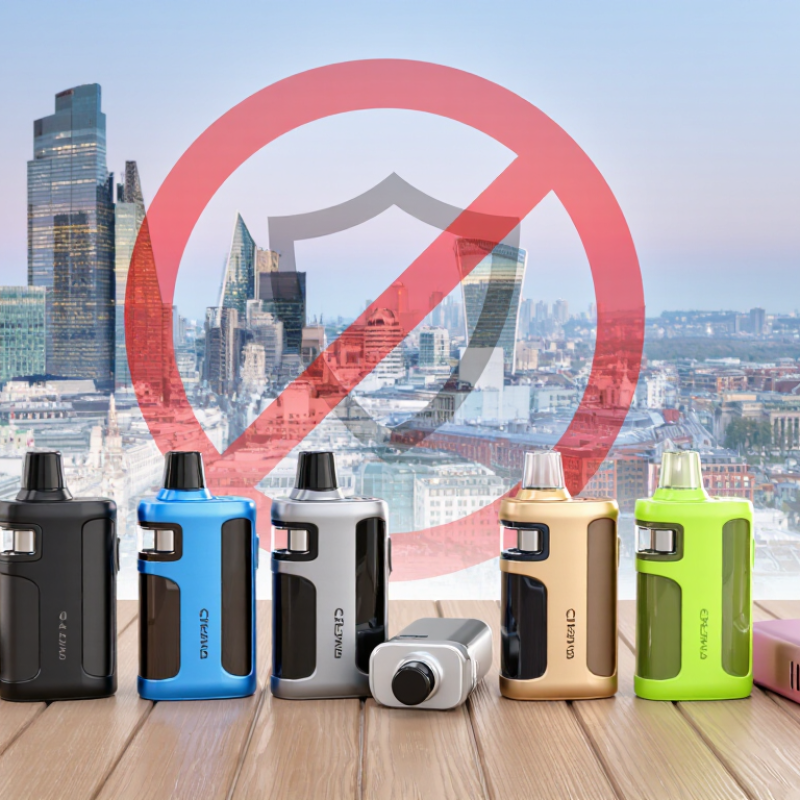
Market restrictions are defined through several product and sales rules, not one universal test. Regulators may assess nicotine concentration, liquid ingredients, device safety, emissions, labeling, age limits, retail channels, and pre-market evidence. A product may meet one market’s limits and still fail another’s. That matters.
The WHO’s 2023 Report on the Global Tobacco Epidemic recorded 34 countries prohibiting e-cigarette sales, based on data available in 2022. This figure shows how widely market approaches differ; it does not mean those countries use identical definitions. A rule may cover an entire product category or focus on features such as flavors, nicotine levels, or package warnings. Not just nicotine.
Compliance checks should start with the destination market’s current technical documents. These may cover ingredient disclosures, test methods, warning placement, and required filings. Public-health agencies also consider youth access and product appeal. The CDC and FDA’s 2024 National Youth Tobacco Survey estimated that 1.63 million U.S. middle and high school students currently used e-cigarettes. The survey does not define regulation, but it helps explain the attention given to age controls and marketing rules. The boundary can feel uneven, and sometimes it is; assumptions based on a neighboring market are not a reliable guide.
Rules vary by market and can change. Ingredient limits often focus on nicotine strength, permitted flavorings, and additives that affect inhalation exposure. Some places also require ingredient disclosure or restrict compounds with limited safety data. A liquid’s label may look simple, yet its full formulation can be more complex. That gap matters.
Device rules may cover heating temperature, aerosol output, battery capacity, and refill design. Authorities may also set standards for leak resistance, child-resistant packaging, or clear product instructions. A device that produces unusually high heat can change what users inhale, so performance testing matters. Details differ. Restrictions do not always target the same feature, even within one region. Product specifications alone may not show whether a device meets current local requirements.
Tips: Check current guidance from the relevant public health or product-safety authority before buying or traveling. Compare the exact ingredient list and device specifications, not just package claims. If a term is unclear, ask a qualified retailer or regulator rather than guessing. Keep records.
Why Are Some Vapes Restricted in Certain Markets?
How Health and Safety Concerns Shape Vape Regulations
Vape rules often reflect concerns about nicotine exposure, product consistency, and accidental poisoning. The World Health Organization’s 2024 report estimates that about 100 million people use e-cigarettes worldwide, including at least 15 million adolescents aged 13–15. That figure makes youth access a practical regulatory concern, not just a political talking point. Age limits and product standards may differ between markets because health systems and local evidence differ, too.
The National Academies’ 2018 report, Public Health Consequences of E-Cigarettes, found that e-cigarette aerosol can contain potentially toxic substances. What reaches a user can vary with the liquid, device, and heating conditions. A damaged battery or poorly controlled temperature can also create avoidable safety risks. Small design details matter. Regulators may therefore assess ingredients, nicotine levels, labeling, packaging, and manufacturing controls before allowing products onto shelves. These checks can make compliance harder for products with unclear contents or inconsistent performance.
Rules are not a perfect measure of risk. Evidence develops over time, and a restriction that addresses one concern may leave another unresolved. I find that easy to overlook when comparing markets. Public data, transparent testing, and clear warnings help consumers and regulators make better-informed decisions. But better information does not remove uncertainty; it makes the remaining questions easier to see.
Vape rules differ because markets balance public health priorities, consumer access, and enforcement capacity in different ways. WHO’s 2023 global tobacco epidemic report recorded 34 countries with policies prohibiting e-cigarette sales. Other markets use different approaches, such as product standards, age limits, or restrictions on advertising. These figures describe a moving policy landscape, not a single global rulebook. Reporting dates and legal definitions also vary, so comparisons need care.
Local rules can shape practical details: permitted nicotine concentration, device capacity, ingredient disclosure, packaging, and which flavors may be sold. A product category treated as a consumer good in one place may face a different regulatory pathway elsewhere. Retailers may also need to distinguish rules for imports, online listings, and shop displays. Small details matter. The policy map can lag behind new products, and that deserves scrutiny. Clear public guidance helps manufacturers and retailers avoid assumptions, while consumers benefit from accurate labels and consistent product information.
| Market | Key restrictions | What may be restricted or vary | Why the rules differ | Official information |
|---|---|---|---|---|
| United States | New tobacco products generally need FDA marketing authorization before they can be legally marketed. Federal law prohibits sales of tobacco products, including e-cigarettes, to people under 21. | Federal authorization applies to individual products. Flavor restrictions are not a single nationwide rule covering every vape product; state and local governments may impose additional restrictions. | A federal product-review system operates alongside state and local powers, so the products legally available can differ by location. | FDA marketing orders Federal minimum-age law |
| United Kingdom | For nicotine-containing products covered by the rules, the maximum nicotine concentration is 20 mg/ml; tanks are limited to 2 ml, and refill containers to 10 ml. Sales to people under 18 are prohibited. Single-use vapes have been banned since 1 June 2025. | The single-use ban concerns disposable products; reusable products are not automatically prohibited by that ban, but must meet applicable product and retail rules. The rules and enforcement arrangements can differ across UK nations. | The UK combines product limits with a disposable-vape restriction intended to address youth access and environmental waste. | UK e-cigarette guidance Single-use vape ban |
| European Union | The Tobacco Products Directive sets a common baseline for covered nicotine e-cigarettes, including a 20 mg/ml nicotine limit, a 2 ml tank limit, and a 10 ml refill-container limit. Products are subject to notification and packaging requirements. | EU member states may adopt stricter national measures. Flavor rules and restrictions on disposable vapes therefore vary between countries; there is no single identical national policy across the EU. | EU-wide legislation creates shared minimum standards, while member states retain scope to respond differently to local public-health and environmental concerns. | European Commission: e-cigarettes |
| Australia | Vapes are regulated as therapeutic goods. Legal supply is through pharmacies under applicable requirements; non-therapeutic retail supply is not generally permitted. Adults may access eligible products without a prescription under the national rules, while some products or circumstances require one. | Product standards, import controls, pharmacy supply conditions, and state or territory rules all matter. Requirements can depend on the product and the person seeking access. | The national framework treats vaping products primarily as therapeutic goods, unlike markets that allow broader consumer retail sales. | Therapeutic Goods Administration: vaping hub |
| Canada | Federal rules limit nicotine concentration in vaping substances to 20 mg/ml and regulate product labelling and promotion. The federal minimum age is 18, but provinces and territories can set a higher minimum age. | Provincial and territorial measures may further restrict sales, flavors, promotion, or where products can be used. For example, Quebec prohibits the sale of flavored vaping products other than tobacco-flavored products. | Federal product standards sit alongside provincial and territorial authority over retail and local public-health measures. | Health Canada: vaping regulations Quebec vaping information |
Vape market restrictions are enforced through routine checks, not just rules on paper. Authorities may require sellers to register products, keep invoices, and display required notices. Inspectors can visit shops, review records, and compare packaging with approved product details. A missing document may pause a sale while officials clarify the facts. Small details matter.
Online sales receive attention too. Regulators may monitor public listings, test age-verification steps, and ask platforms to remove listings that do not meet local requirements. At borders, customs teams can inspect shipments and compare declarations with product paperwork. Testing may check ingredients, nicotine levels, labeling, or device safety, depending on local standards. Procedures vary by market.
When officials identify a violation, responses can range from a warning or corrective notice to fines, recalls, or suspension of a seller’s authorization. Enforcement should be documented, consistent, and open to review. Retailers can reduce avoidable problems by training staff, checking current rules, and keeping clear records. Yet rules change, and guidance can be confusing. That is a weakness in the system; authorities should communicate changes plainly.
They may cover ingredients, nicotine levels, device safety, emissions, labels, age controls, and sales channels. There is no single global test.
Yes. A permitted nicotine level or flavor in one place may be restricted elsewhere. Check the destination market’s current requirements.
Rules may address nicotine strength, flavorings, inhaled additives, and ingredients with limited safety data. A short label may not show the full formulation.
Requirements can cover heating temperature, aerosol output, battery capacity, refill design, and leak resistance. Details differ.
They balance public health, consumer access, and enforcement capacity differently. The policy map can change over time.
Compare the exact ingredient list and device specifications with current local guidance. Keep records. Do not rely on a neighboring market’s rules.
Not necessarily. Check required warnings, ingredient disclosures, test methods, and filings. The boundary can feel uneven.
Youth access and product appeal are public-health concerns. Clear labels and careful retail practices matter, though guidance is not always clear.
Vape market restrictions are rules that determine which products can be sold, how they may be presented, and what safety information must accompany them. Authorities may limit certain ingredients, flavors, nicotine concentrations, battery designs, or device features when they raise concerns about product quality, accidental exposure, or use by young people. These measures can also include testing, clear labeling, and age-related sales controls.
The reasons and details differ across markets because health priorities, product standards, and local approaches to consumer protection vary. This helps explain why are some vapes banned in certain places: a product that meets one market’s requirements may not satisfy another’s rules for ingredients, emissions, packaging, or device safety. Authorities can enforce restrictions through product reviews, inspections, documentation checks, and sales monitoring, helping ensure that available products meet the applicable standards.
Nevra Vape