China Best Vapes Why Does a Vape Taste Burnt?

Time:2026-09-28 Author:Sophia
0%

A burnt hit is hard to miss. It can taste like scorched cotton, dry paper, or a bitter, hot edge that lingers after each puff. If you are asking “why does a vape taste burnt,” the answer often involves a coil or wick that is not getting enough e-liquid. A nearly empty pod, repeated puffs, or a coil nearing the end of its service life may contribute. Sometimes the device simply needs a pause.

Small details matter. A fresh pod used immediately, thick liquid in a device not designed for it, or a blocked airflow path can affect how the wick feeds. Check the manufacturer’s instructions, allow a new coil to saturate as directed, and stop using the device if the burnt taste continues. Don’t keep testing it. The flavor is a warning, not a challenge.

E-cigarette researcher Konstantinos Farsalinos has published research on vaping and aerosol exposure. I could not verify a direct statement from him specifically about burnt taste, so I won’t invent a quotation. That distinction matters. General research can explain why device conditions deserve attention, but it cannot diagnose one particular pod or coil. Notice when the taste began, whether the pod is low, and whether the device feels unusually hot. These clues may help narrow down the cause, though they are not proof. Sometimes, the honest answer is simple: the coil may need replacing. And sometimes, the device needs a closer look.
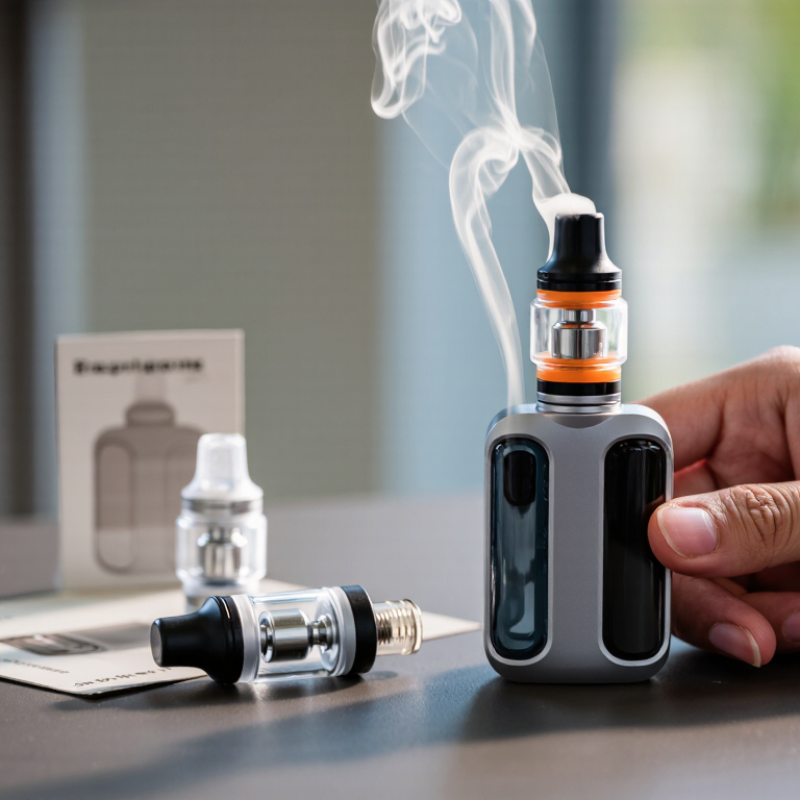
China Best Vapes Why Does a Vape Taste Burnt?

What Causes Burnt Vape Flavor: A Dry Wick, Overheated Coil, or Residue?

Why Does a Vape Taste Burnt?

A burnt flavor often points to a wick that is too dry to supply liquid to the heating coil. This can happen when the reservoir is nearly empty, after repeated puffs, or soon after fitting a fresh coil. The taste may be sharp and dry, sometimes with a scratchy feel. Pause. Let the device rest, then check its liquid level and follow the maker’s instructions for preparing a new coil. Continuing to puff through a burnt taste can make the wick’s damage worse.

Overheating is another possibility. Long, frequent puffs can heat the coil faster than liquid reaches it, especially when airflow is restricted. Residue from sweet or thick liquid may also build up on the coil and alter the flavor. It’s easy to blame the coil, though that is not always the whole story. A low battery or device setting outside the coil’s recommended range may contribute, depending on the device.

Check for visible leaks, blocked airflow, or a worn coil, but don’t dismantle a sealed device. If the flavor remains burnt after the device cools and the liquid level is adequate, stop using it. Replace a serviceable coil or pod according to the instructions. Without inspecting the device, the exact cause can’t be confirmed.

Check E-Liquid Level and Prime a New Coil for 5–10 Minutes

A burnt taste often means the wick is too dry. Check the e-liquid level before taking another puff. Keep the intake openings covered by liquid, and refill if the tank is low. With a new coil, add a few drops of e-liquid to the exposed cotton, fit it, then fill the tank. Wait 5–10 minutes so the wick can absorb liquid. A dry cotton wick can scorch quickly, leaving a sharp, lingering taste.

The National Academies’ 2018 report, Public Health Consequences of E-Cigarettes, reviewed more than 800 scientific studies. It found that aerosol emissions vary with device design and operation, including power settings. That evidence supports a practical habit: avoid increasing power to compensate for weak vapor, especially with a fresh or poorly saturated coil. If the burnt taste remains, replace the coil and check the device instructions. I have found that rushing the wait is an easy mistake.

Tips: Keep the tank above the coil’s liquid openings. After refilling, take a few gentle puffs without activating the device, if its instructions allow. Stop if the taste turns harsh. Don’t keep using a scorched coil.

How 50/50 and 70/30 VG/PG Ratios Affect Wick Saturation

China Best Vapes: Why Does a Vape Taste Burnt?
How 50/50 and 70/30 VG/PG Ratios Affect Wick Saturation

A burnt taste often means the wick cannot replace liquid as quickly as the coil heats it. The VG/PG ratio can influence this process. VG is thicker; PG flows more readily through small wick openings. Technical property data from Dow and the Glycerine Producers’ Association put PG viscosity near 58 mPa·s and glycerol near 1,400 mPa·s at 20°C. These are ingredient values, not measurements of finished e-liquid, which also depends on temperature and formulation.

A 50/50 blend generally moves through a wick more easily than a 70/30 VG/PG blend. With 70/30, saturation may lag during repeated puffs, especially in a cool room or with a tightly packed wick. The coil can then heat a partly dry section, leaving a sharp, scorched flavor. Ratio alone does not explain every burnt hit; power, coil condition, and puff frequency matter too. It is easy to blame the liquid and miss a worn coil.

Tips: Let a new wick soak fully before use. After a puff, pause briefly and check whether the flavor clears. If it stays burnt, stop using that coil rather than increasing power. A thicker blend may need a device designed for slower-flowing liquid.

Why Does a Vape Taste Burnt? How 50/50 and 70/30 VG/PG Ratios Affect Wick Saturation

How to read this chart: These bars show the stated VG/PG composition by percentage, not measured wicking speed. VG is generally more viscous than PG, so a higher-VG liquid may saturate a wick more slowly, particularly in devices with small wick openings or at higher power. A burnt taste can occur when liquid delivery cannot keep up with vaporization; ratio alone does not determine the cause.

Match Device Output to the Coil’s Printed Wattage Range and Resistance (Ω)

A burnt taste can appear when a coil is operated outside its recommended power range. Check the small print on the coil or its packaging. It may show a range such as 15–25 watts and a resistance value in ohms. Set the device within that range, not above it. Resistance helps identify the coil, but it does not replace the printed wattage guidance.

If the range is 15–25 watts, begin near the lower end and take a few gentle puffs. Increase power in small steps only if the vapor feels too cool or weak. Give each adjustment a moment. Small changes matter. Higher wattage heats the coil faster and can dry its wick, especially when the liquid supply cannot keep up. A burnt smell or harsh taste means stop using it; turning the power down may not repair a scorched wick.

I still find the printed range easy to overlook when replacing a coil. That check takes seconds, though it can prevent wasted liquid and an unpleasant first puff. Make sure the coil fits the device, allow a new wick to become fully saturated, and avoid long, repeated puffs. If the taste remains burnt at an appropriate setting, the coil may be damaged or worn and need replacement. The wattage range is useful guidance, not a guarantee.

When Burnt Flavor Persists, Replace the Coil and Check for Residue

A burnt taste is a clue, not a diagnosis. If it continues after the device has cooled, the coil may be worn or its wick may be damaged. Replacing the coil is often the clearest next step. Follow the device instructions, and let a new wick absorb e-liquid for the recommended time before use. Do not rush. A dry wick can scorch quickly.

Residue can also affect flavor. Look for dark deposits on the coil or sticky buildup inside the tank and airflow path. If those parts are removable, clean them as the instructions allow, then dry them fully before reassembly. Small clues help. A lingering burnt note may come from residue, but a persistent taste can also signal a damaged part.

Check the coil’s fit and the device’s seals, without forcing anything. I sometimes find that a quick rinse seems enough, only for the stale flavor to return; cleaning is not a fix for a coil that is already burnt. If a fresh coil and careful cleaning do not help, stop using the device and consult its manufacturer’s guidance. The cause is not always obvious.

FAQS

What usually causes a burnt flavor?

Often, the wick is too dry to supply liquid to the coil. A low liquid level or repeated puffs can cause this. Pause and check.

Can frequent puffs overheat a coil?

Yes. Long, frequent puffs may heat the coil faster than liquid can reach it. Restricted airflow can add to the problem.

Does the liquid’s VG/PG ratio affect wick saturation?

It can. A 50/50 blend generally flows more readily than a thicker 70/30 VG/PG blend. Saturation may lag with thicker liquid, especially in a cool room.

Why might a new coil taste burnt?

Its wick may not be fully soaked before use. Follow the device instructions and allow time for the wick to absorb liquid.

Can residue change the flavor?

Yes. Residue from sweet or thick liquid can build up on the coil and alter its taste. It is tempting to blame the liquid, but that may be wrong.

What should I check if the flavor tastes burnt?

Check the liquid level, airflow, and visible leaks. A worn coil may also be responsible. Do not dismantle a sealed device.

Should I increase the power to fix a burnt taste?

No. Higher power may worsen overheating. Check the device settings against the coil’s recommended range.

When should I stop using the device?

Stop if the burnt taste remains after the device cools and the liquid level is adequate. Replace a serviceable coil or pod as instructed. Exact causes can be hard to confirm.

Conclusion

A burnt flavor can make vaping unpleasant, and understanding why does a vape taste burnt starts with checking the wick and coil. If the e-liquid level is too low, or a new coil has not had enough time to absorb liquid, the wick may dry out and overheat. After filling a new coil, let it soak for 5–10 minutes before use. E-liquid thickness can also affect wick saturation: a 50/50 VG/PG blend is generally thinner than a 70/30 blend, which may move more slowly through some wicks.

Check that the device’s output is within the wattage range printed for the coil, and consider the coil’s resistance in ohms (Ω) when choosing a suitable setting. If the burnt taste continues after correcting the liquid level and power, the coil may be worn or coated with residue. Replacing it and cleaning the device’s liquid-contact areas can help prevent lingering off-flavors.

Sophia

Sophia

Sophia is a dedicated marketing professional with an exceptional depth of knowledge about her company's products and services. With a keen understanding of market trends and customer needs, she crafts insightful blog posts that not only inform but also engage readers, enriching the company’s online......