Top Reasons Why Your Vape Stops Working Suddenly?

Time:2026-10-13 Author:Sophia
0%

A vape can stop working without warning, leaving the screen dark or producing no vapor. Sometimes, the cause is simple: a drained battery, a loose pod, or blocked airflow. Other failures need more careful attention.

This guide examines what causes a vape to stop working suddenly, using common signs and practical checks. A device may still light up while its coil is burnt, flooded, or poorly connected. Condensation can also collect beneath the pod and interrupt contact. In some models, safety protection activates after overheating, overcharging, or detecting a short circuit.

Small details matter. Look for a flashing indicator, unusual warmth, a burnt taste, or liquid around the connection points. These clues can narrow the problem quickly. However, not every fault is obvious. I have found that users often replace the pod too soon, while others keep charging a device that should be retired.

Start with the manufacturer’s instructions and use the correct charging equipment. Keep the device dry, avoid forcing damaged parts, and never open a sealed battery housing. Stop using it if the battery swells, leaks, smells unusual, or becomes excessively hot. A simple reset may solve a minor issue, but it cannot repair internal damage.

The sections ahead explain likely causes, safe troubleshooting steps, and signs that replacement is the wiser choice. No troubleshooting checklist is perfect. Device designs vary, and guessing can create more risk than relief.
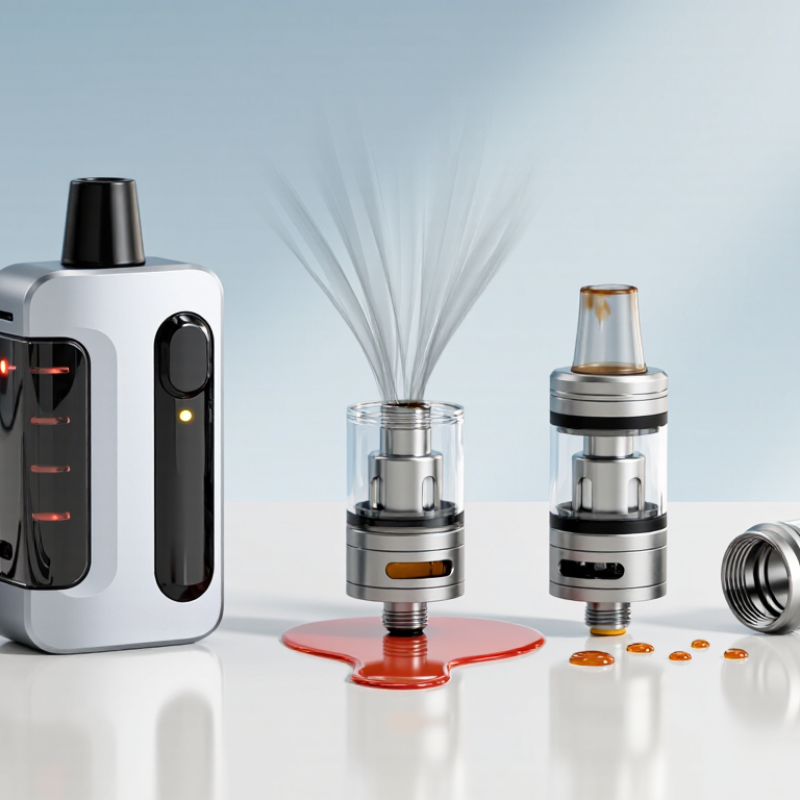
Top Reasons Why Your Vape Stops Working Suddenly?

What Happens When a Vape Stops Working Without Warning

A vape can stop working without warning when its battery loses contact, the airflow sensor becomes blocked, or the liquid supply runs dry. The screen may stay dark, or the indicator may blink while no vapor appears. A weak battery often causes fading performance first. However, a sudden shutdown can also signal overheating or internal damage. Do not keep pressing the button. That can increase heat and create a safety risk.

In practical troubleshooting, check the mouthpiece for lint, condensation, or a small blockage. If the device is rechargeable, inspect the charging port and use the correct cable. Let it cool on a nonflammable surface before testing it again. Never open the casing, puncture the battery, or force a connection. I have seen people blame empty liquid when the real problem was moisture around the sensor. That mistake is easy to make.

Tips: Keep the device dry and away from direct sunlight. Clean the mouthpiece gently with a dry cotton swab. Stop using it if you notice swelling, leaking, unusual heat, or a burnt smell. Do not leave it charging unattended. If basic checks fail, replace the device through an appropriate recycling or disposal service. A damaged battery is not worth experimenting with.

How to Identify the Most Common Power and Battery Problems

When a vape stops suddenly, the battery is often the quiet culprit. A blank screen may mean a depleted cell, loose contact, or failed charging circuit. Check the cable, wall adapter, and port separately. Try a known-good charging cable. Do not scrape the port with metal. Lint can interrupt contact. Look for heat, swelling, leaking, or a sharp chemical smell. Stop using it immediately. Never open a sealed battery. Lithium-ion cells can fail internally without warning. The U.S. Fire Administration’s 2017 Electronic Cigarette Fires and Explosions report recorded 195 fire and explosion incidents from 2009 to 2016, with 133 acute injuries. That historical report does not measure today’s devices, but it supports cautious battery handling.

Power problems can also imitate battery death. A blocked airflow sensor may prevent auto-draw activation, while a five- or ten-second cutoff can feel like a sudden shutdown. Condensation around the contact area may cause intermittent firing. Wipe the exterior with a dry cotton swab, then let the device rest at room temperature. The FDA recommends the supplied charger and proper charging instructions. Beds and sofas trap heat. CPSC lithium-ion battery safety guidance identifies damage, overheating, and improper charging as major hazards. Do not bypass a safety lock or continue charging overnight. If the device remains cold, unresponsive, or unusually hot after basic checks, use an approved battery recycling program. The easy mistake is blaming the cell; a damaged cable can cause the same symptom.

Why Pod, Coil, and E-Liquid Issues Can Interrupt Vaping

Top Reasons Why Your Vape Stops Working Suddenly?

A vape can stop without warning when the pod connection becomes dirty or slightly misaligned. A thin film of e-liquid or condensation may cover the metal contacts. Remove the pod, wipe both contact points with a dry cotton swab, and check for visible damage. If the device flashes, the battery may be low, overheated, or detecting a connection fault. Charging habits matter too. A damaged cable or loose port can interrupt power, even when the indicator appears normal.

The coil is another common cause. A burnt taste, weak vapor, or unusually warm pod often signals a worn coil. Thick e-liquid may not reach the coil quickly enough, especially after several long puffs. The result can be dry heating and sudden cutoff. E-liquid level also matters. A nearly empty pod can leave the wick partly dry. I have sometimes blamed the battery first, then found a cracked pod leaking into the contact area. Small details are easy to miss.

Tips: Keep the pod upright and avoid filling above its limit. After installing a new coil, let it soak for several minutes. Use gentle puffs while it settles. Clean condensation regularly. If the device becomes unusually hot, leaks heavily, or shows physical damage, stop using it and follow the manufacturer’s safety guidance. Some interruptions are not user error; internal faults can happen.

How Airflow, Sensors, and Internal Connections Affect Performance

Top Reasons Why Your Vape Stops Working Suddenly?

A vape can stop working suddenly when airflow, sensors, or internal connections become unstable. Airflow is often the easiest problem to overlook. Dust, lint, or condensed liquid may block the small intake holes. When air cannot move freely, the device may not detect a draw. Wipe the openings gently with a dry cotton swab. Do not push debris deeper inside. A simple restart is not a diagnosis.

The draw sensor controls activation in many devices. It reacts to changes in air pressure, but moisture can make its response inconsistent. A weak pull may fail, while a sharp pull can flood the sensor area. I have found that storing the device upright reduces this problem, although it is not a perfect fix. If the light activates without a normal draw, stop using it and inspect the device for leakage or damage.

Internal connections can also affect performance. Repeated drops, heat, or rough handling may loosen a contact between the battery, sensor, and heating section. Symptoms include intermittent activation, flickering lights, or performance that changes when the device moves. Do not open the casing or bend metal contacts. Internal repairs require proper tools and training. If cleaning the airflow and checking the exterior changes nothing, replacement is usually safer than continued testing.

When a Faulty Device Needs Cleaning, Repair, or Replacement

A vape can stop suddenly because its battery is depleted, its airflow sensor is blocked, or condensation has reached the contacts. A cool, blinking device is often signaling protection mode, not permanent failure. Check the charging port for lint and the mouthpiece for sticky residue. Clean external contacts with a dry cotton swab. Never pour liquid into the device. A damaged cable can also create false charging symptoms.

The U.S. Fire Administration recorded 195 electronic-cigarette fire and explosion incidents from 2009 to 2016, with 133 reported injuries. This history makes battery condition more important than convenience. Stop using any device that becomes unusually hot, swells, leaks, smells chemical, or shows casing damage. Do not open a sealed battery. Repair may be reasonable only for a professionally serviceable device with a verified fault. Otherwise, replacement is safer and usually more reliable. My practical mistake was assuming every failure needed a new battery; moisture and dirty contacts often caused the problem.

Tips: Disconnect power before cleaning. Let the device dry fully. Try a different approved charging cable. Do not scrape contacts aggressively. If charging remains unstable, replace the device through an appropriate recycling channel. A short pause can prevent a costly mistake.

Top Reasons Why Your Vape Stops Working Suddenly? — When a Faulty Device Needs Cleaning, Repair, or Replacement
Observed Symptom Most Likely Cause Safe First Check Recommended Action When to Stop Using the Device Typical Resolution
No vapor and no indicator light Depleted battery, disabled device, poor charging connection, or internal electrical failure Check whether the device is switched on, inspect the charging port for visible debris, and try the approved charging method Clean the exterior of the charging port gently with a dry, non-metallic tool. If the device still shows no response, seek professional assessment rather than opening it If the device becomes hot, smells unusual, swells, leaks, or shows visible damage Repair assessment or Replacement
Device powers on but does not produce vapor Empty e-liquid reservoir, blocked airflow, poor pod contact, or a worn heating coil Confirm the reservoir contains e-liquid and check whether the airflow openings are blocked Clean the airflow path and contact points with a dry cotton swab. Replace the pod or coil if it is old, burnt, or visibly damaged If liquid reaches the battery area or the device activates by itself Cleaning or Pod/coil replacement
Weak vapor or reduced airflow Partially blocked mouthpiece, restricted airflow, low battery, or coil buildup Inspect the mouthpiece and airflow openings for condensation, lint, or residue Wipe the mouthpiece and external openings. Recharge according to the device instructions and replace the coil or pod if performance remains poor If airflow remains blocked after cleaning or the device overheats during use Cleaning followed by Pod/coil replacement
Burnt taste or unusually harsh vapor Insufficient e-liquid reaching the coil, excessive use without pauses, or a worn heating element Check the liquid level and allow a newly filled pod or coil to saturate before use Stop using the affected pod or coil if the burnt taste continues. Replace it and avoid activating the device when the reservoir is empty If the burnt smell comes from the battery or casing rather than the vapor Pod/coil replacement
Leaking e-liquid Loose connection, damaged seal, overfilled reservoir, cracked pod, or condensation buildup Check the pod, seals, and reservoir for cracks or excess liquid; wipe the device dry Reinstall the pod correctly and remove excess liquid. Replace any cracked pod or damaged seal If e-liquid has entered the charging port or battery compartment Cleaning or Pod replacement
Device activates without pressing the button Stuck activation button, liquid contamination, sensor fault, or internal short circuit Move the device away from flammable materials and check for visible liquid or button damage Do not continue testing it. Do not disassemble the battery section; arrange professional inspection or replace the device Always stop using it immediately because unintended activation can cause overheating Immediate replacement or professional service
Charging starts and stops repeatedly Dirty or loose charging connection, incompatible cable, damaged port, or battery degradation Inspect the port and cable for visible damage and check whether the connection is loose Clean only visible, dry debris without using metal objects or liquids. Use the specified charger and stop if the problem continues If the battery heats rapidly, swells, leaks, or produces an unusual odor Repair assessment or Replacement
Indicator light flashes but the device does not fire Low battery, protection mode, poor pod contact, or an incompatible or shorted coil Recharge the device, remove and reinstall the pod, and inspect the contact points for residue Clean the contacts gently and replace the pod or coil if the flashing continues. Consult the device instructions for the specific flash pattern If the device repeatedly reports a short circuit or becomes hot Cleaning or Pod/coil replacement
Button feels stuck or does not respond normally Dust, condensation, e-liquid contamination, mechanical wear, or impact damage Check for visible residue around the button and confirm that it is not physically obstructed Wipe the exterior with a dry cloth. Do not force the button or pour cleaning liquid into the device If the button activates intermittently, remains depressed, or the device fires by itself Repair assessment or Replacement
Device becomes unusually hot during normal use or charging Battery stress, internal fault, damaged charging equipment, excessive activation, or short circuit Stop using and charging the device; place it on a non-flammable surface away from heat Allow it to cool naturally. Do not puncture, open, freeze, or continue charging it Immediately, especially if there is swelling, smoke, leakage, hissing, or a chemical odor Immediate replacement and safe disposal
Performance declines after long-term use Battery aging, repeated coil use, residue accumulation, or worn seals and connectors Consider the device's age, usage frequency, charging behavior, and maintenance history Replace consumable parts first. If battery life and performance remain poor, replace the complete device If the casing, battery, charging port, or wiring shows physical damage Consumable or device replacement
Safety note: Never open or modify a vape battery, use damaged charging equipment, or continue using a device that is hot, swollen, leaking, smoking, or activating on its own. Follow local regulations for battery and electronic-waste disposal.

FAQS

Why does a vape stop suddenly with a blank screen?

The battery may be depleted, but a loose contact, damaged cable, or failed charging circuit can look identical. Check each part.

How can I check a charging problem safely?

Try a known-good cable and inspect the wall adapter, charging port, and connection separately. Remove visible lint with a dry cotton swab. Never scrape the port with metal.

What warning signs mean I should stop using the device?

Stop immediately if you notice heat, swelling, leaking, physical damage, or a sharp chemical smell. Do not open a sealed battery. Do not charge it overnight.

Can airflow or condensation cause sudden shutdowns?

Yes. A blocked airflow sensor may stop automatic activation. Condensation near the contacts can also interrupt firing. Wipe the exterior gently. Let it rest at room temperature.

Why might a pod connection interrupt vaping?

E-liquid or condensation can form a thin film over the metal contacts. A slightly misaligned pod may cause the same problem. Remove the pod and wipe both contact points dry.

What does a flashing indicator usually mean?

Flashing may signal low power, overheating, or a connection fault. The exact meaning varies by device. Check the instructions.

How do I recognize a worn coil or dry wick?

A burnt taste, weak vapor, warm pod, or sudden cutoff may indicate coil wear or poor liquid absorption. Thick liquid needs time. Let a new coil soak for several minutes.

Could the pod itself be the problem?

Yes. A nearly empty pod may leave the wick partly dry. A cracked pod can leak liquid into the contact area. I might blame the battery first. Small details matter.

What should I do if basic checks do not solve the issue?

Stop using the device if it stays cold and unresponsive, becomes unusually hot, leaks heavily, or shows damage. Do not bypass safety features. Use an approved battery recycling program.

Conclusion

When a vape stops working without warning, the cause may be simpler than it first appears. A depleted or damaged battery, a loose charging connection, or a faulty power button can prevent the device from turning on. In some cases, the charging cable, port, or internal battery connection may be responsible. Understanding what causes a vape to stop working suddenly can help users identify whether the issue is related to power, charging, or general device wear.

Other common problems involve the pod, coil, or e-liquid. An improperly installed pod, a worn-out coil, insufficient liquid, or a blocked airflow path can interrupt performance and create weak or missing vapor. Sensors may also fail to detect inhalation when moisture, residue, or debris builds up inside the device. Basic cleaning, checking connections, and replacing worn components may solve the problem. However, if the device shows physical damage, overheating, persistent charging issues, or internal faults, it should be safely replaced rather than repaired.

Sophia

Sophia

Sophia is a dedicated marketing professional with an exceptional depth of knowledge about her company's products and services. With a keen understanding of market trends and customer needs, she crafts insightful blog posts that not only inform but also engage readers, enriching the company’s online......