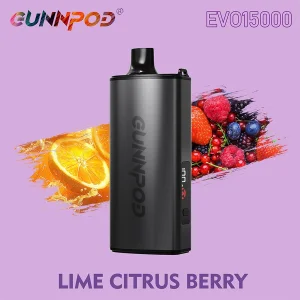
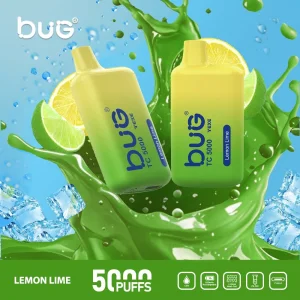
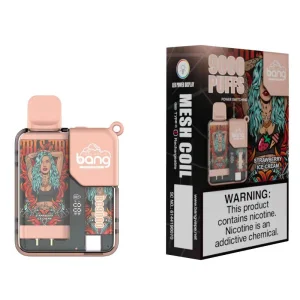
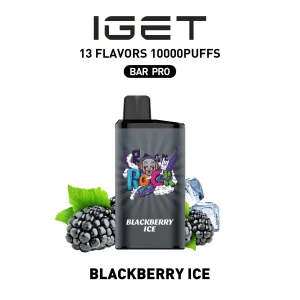
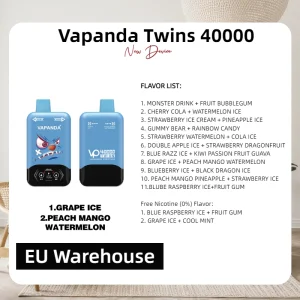
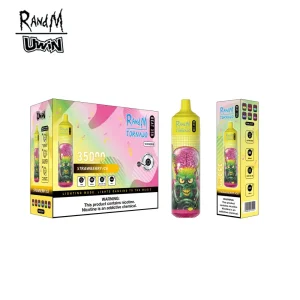
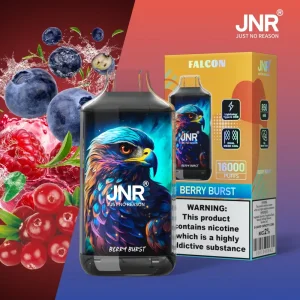
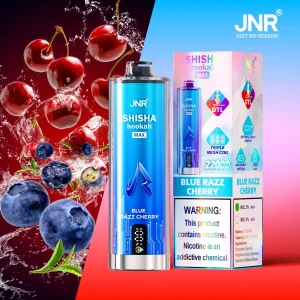
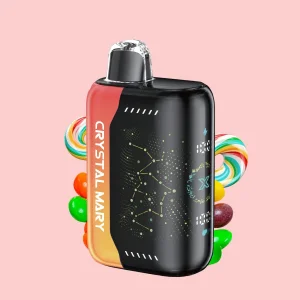
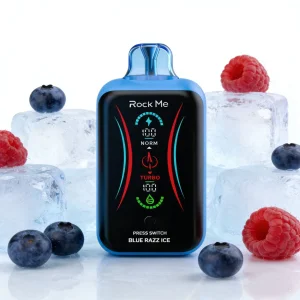
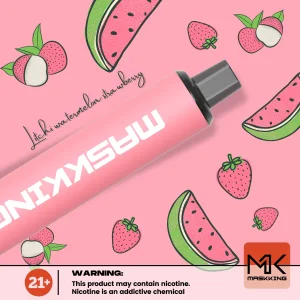
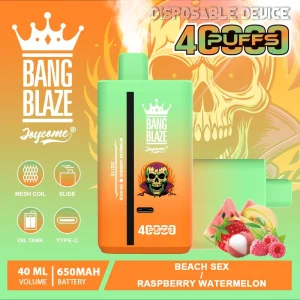
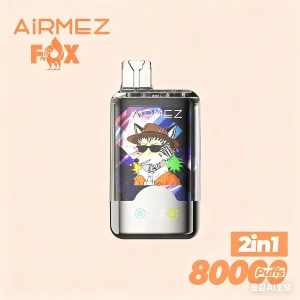
High-performance vaporizers engineered with mesh coil technology, smart displays, and extended battery lifetimes.
The global electronic nicotine delivery systems (ENDS) market has undergone a dramatic structural transformation. What began as a fragmented assembly of local operations has consolidated into a highly specialized, capital-intensive manufacturing network. Today, the epicenter of global vape hardware production sits firmly in the Bao’an District of Shenzhen, China, responsible for over 90% of the world’s vaporizers. This unprecedented industrial concentration allows for an agile supply chain capable of scaling design concepts into multimillion-unit shipments within weeks.
For global enterprise buyers, distributors, and brand owners, navigating this landscape requires a deep understanding of manufacturing processes. Top exporters are no longer simple assembly lines. They operate as vertically integrated technological powerhouses, merging advanced material science, micro-electronics, automation, and toxicology. To maintain competitiveness in a crowded marketplace, manufacturers must now provide significant Information Gain to their clients, offering transparency in automated assembly lines, material composition, and supply chain integrity.
"The shifting paradigm of global vaping demands more than just mass manufacturing; it demands intelligent manufacturing. Dynamic heating arrays, bio-compatible materials, and regulatory traceability are the three pillars defining the future of wholesale B2B vaping supply chains."
Five major vectors define the current evolutionary trajectory of the wholesale vape supply market:
The transition from 5,000 puffs to devices pushing 15,000, 30,000, and even 40,000 puffs, utilizing dual-tank and dual-mesh configurations.
Integration of interactive 3D, LCD, and touchscreen displays that monitor real-time e-liquid volumes, battery percentages, and output modes.
Hardware featuring power mode switches (e.g., Turbo mode) powered by dual microchips to regulate wattage and heating coil configurations dynamically.
B2B buyers, including master distributors, nationwide wholesalers, and online retail aggregators, face distinct sourcing challenges. As regulatory scrutiny increases and margins tighten, finding a manufacturer is no longer simply about searching for the lowest price per unit. The modern procurement framework prioritizes compliance risk mitigation, consistency in automated mass-production, and brand differentiation via proprietary product designs (OEM/ODM).
When evaluating the top vape manufacturers and exporters, enterprise sourcing agents rely on rigorous quantitative criteria:
Experienced importers evaluate potential manufacturing partners across these ten primary areas to ensure reliable product performance and long-term brand equity:
By establishing strict baseline requirements for these ten parameters, global distributors can minimize shipping delays and quality issues, protecting their brand reputation in their target markets.
Operating out of the primary global production hub in Shenzhen, China, Shenzhen Nevra Vape Co., Ltd. has established itself as an innovative manufacturer and exporter of high puff, rechargeable, and premium vape devices. Driven by a focus on innovation and quality, the company delivers reliable vaping solutions tailored to meet global market demands.
Nevra Vape offers a comprehensive product range designed to cover all market segments. This catalog includes compact disposable devices, high-capacity models, mesh coil systems, and rechargeable disposable vapes engineered for consistent performance and extended usage. Their products are designed to provide consistent flavor delivery, smooth vapor production, and user-friendly operation, making them suitable for both beginners and experienced users.
Equipped with advanced manufacturing facilities and strict quality control processes, Shenzhen Nevra Vape ensures that every product meets international standards. The company also provides robust OEM and ODM services, supporting clients with customized designs, branding, and packaging solutions to strengthen their market presence.
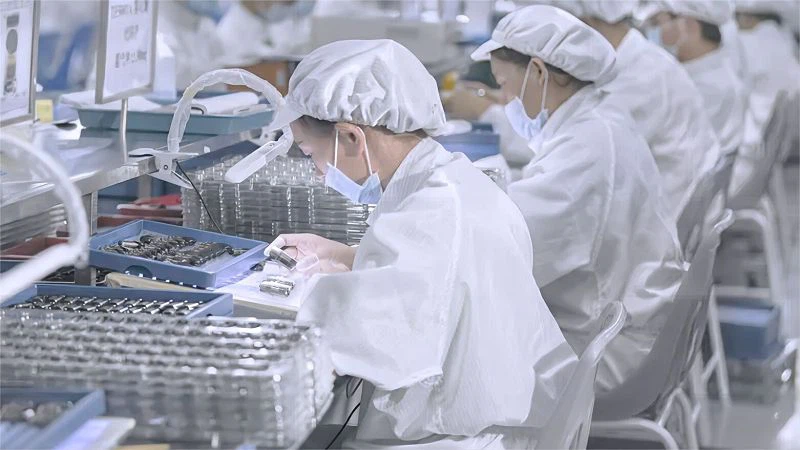
By serving distributors, wholesalers, and brand owners worldwide, Nevra Vape is committed to delivering high-quality products, competitive pricing, and efficient service. Their operations focus on continuous R&D and a customer-oriented approach. Shenzhen Nevra Vape Co., Ltd. aims to be a trusted partner in the global vaping industry, providing innovative and dependable disposable vape solutions.
Their design philosophy centers on maximizing heating efficiency through advanced mesh coil configurations. These setups increase the contact area between the e-liquid and the heating element, reducing dry hits and ensuring flavor consistency from the first puff to the last.
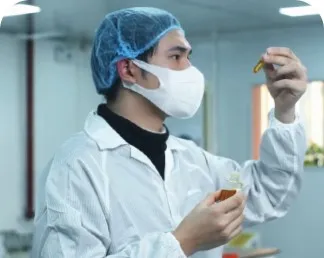
The hardware landscape is shifting rapidly. The industry is moving away from basic resistive wire configurations toward smart, software-controlled, and environmentally conscious platforms. Manufacturers who fail to invest in R&D risks falling behind in this fast-paced market.
Traditional wire coils often created localized hot spots, leading to organic cotton degradation and the release of unwanted thermal breakdown products. The introduction of Mesh Coils addressed this by distributing current across a wider, perforated metallic grid.
The next step in this evolution is the development of Dual-Mesh alternating firing systems. By switching back and forth between two distinct mesh heating elements, the device prevents the cotton from overheating, preserving flavor integrity even during long puffs. Looking forward, medical-grade ceramic heating matrices are being developed to offer consistent aerosolization with minimal residue buildup.
Modern high-capacity disposable vapes are more complex than simple batteries connected to switches. They are powered by microcontrollers that regulate voltage output dynamically.
Whether the battery is fully charged at 4.2V or dropping toward 3.2V, the onboard chip uses pulse-width modulation (PWM) or buck-boost converters to maintain a steady voltage to the coil. Additionally, integration of high-resolution TFT and touch screens provides users with real-time feedback on battery charge levels and remaining e-liquid volume, calculated by monitoring draw duration against nominal flow rates.
Focus on high-puff counts (15K-30K), basic smart screens, dual mesh coils, and Type-C rechargeable interfaces.
Integration of touchscreens, variable wattage controls, child-safety lock interfaces, and eco-friendly biodegradable outer shells.
Development of modular, recyclable battery packs, smart application pairing, and ceramic heating elements for clean aerosol delivery.
For international B2B importers, compliance is a core business requirement. A shipment seized at customs due to non-compliant documentation represents significant loss. Successful vape exporters must maintain deep expertise in the regulatory requirements of different destination markets.
Expand your inventory with high-capacity options, dual-flavor devices, and custom OEM-ready designs.
Executing a successful procurement cycle with Chinese manufacturers involves a structured approach to manage risk and maintain product quality. Below is the workflow recommended by global purchasing managers:
Submit a detailed Request for Information (RFI) to establish basic operational capabilities. Request certificates for ISO 9001, GMP, CE, and RoHS. Verify the manufacturer's ownership of design patents to ensure the products are proprietary and legally protected.
Request physical samples of chosen models. Testing should evaluate draw resistance, heating stability, flavor consistency over long draws, and battery performance under thermal strain. For custom formulations (OEM), confirm the flavor profile matches local preferences.
Prior to finalizing balance payments, hire third-party inspection firms (such as SGS or TÜV SÜD) to perform random quality checks. Verify leak resistance, cosmetic finish quality, and packaging compliance.
Key answers to common questions about regulatory compliance, MOQ structures, shipping processes, and customized OEM development.
For standard inventory items, MOQs typically range from 100 to 1,000 units depending on the model. For custom OEM branding, packaging modifications, or customized flavor formulations, manufacturers usually require a minimum run of 5,000 to 10,000 units per flavor flavor profile to balance production tooling costs.
For markets governed by EU TPD regulations, manufacturers supply specialized 2ml capacity pod devices or design specific versions that limit tank capacity to 2ml, matching the 20mg/ml maximum nicotine standard. Conversely, high-puff models with 15ml to 25ml capacities are exported to regions without these tank limits, such as the United States or sections of the Middle East and South America.
Quality manufacturers install micro-controllers that provide multiple layers of protection: overcharge protection, over-discharge protection, short-circuit mitigation, and high-temperature cutoff. Battery cells undergo strict UN38.3 testing to verify structural stability during air transit and retail shelf life.
A standard OEM process takes approximately 30 to 45 days. This includes industrial design rendering (3-5 days), prototyping and 3D printing (7 days), mold creation (15-20 days), followed by pilot production, safety testing, and packaging assembly. Reorders are typically fulfilled within 15 to 20 days.
Shipments are typically processed using FOB (Free on Board) or DDP (Delivered Duty Paid) terms. DDP is highly favored by mid-sized distributors because the manufacturer handles import clearance, security audits, duties, and local transportation. This ensures the cargo arrives directly at the client's warehouse with minimal logistical friction.
 Nevra Vape